Southern Hills Specialty Care: Infection Control Failure - IA
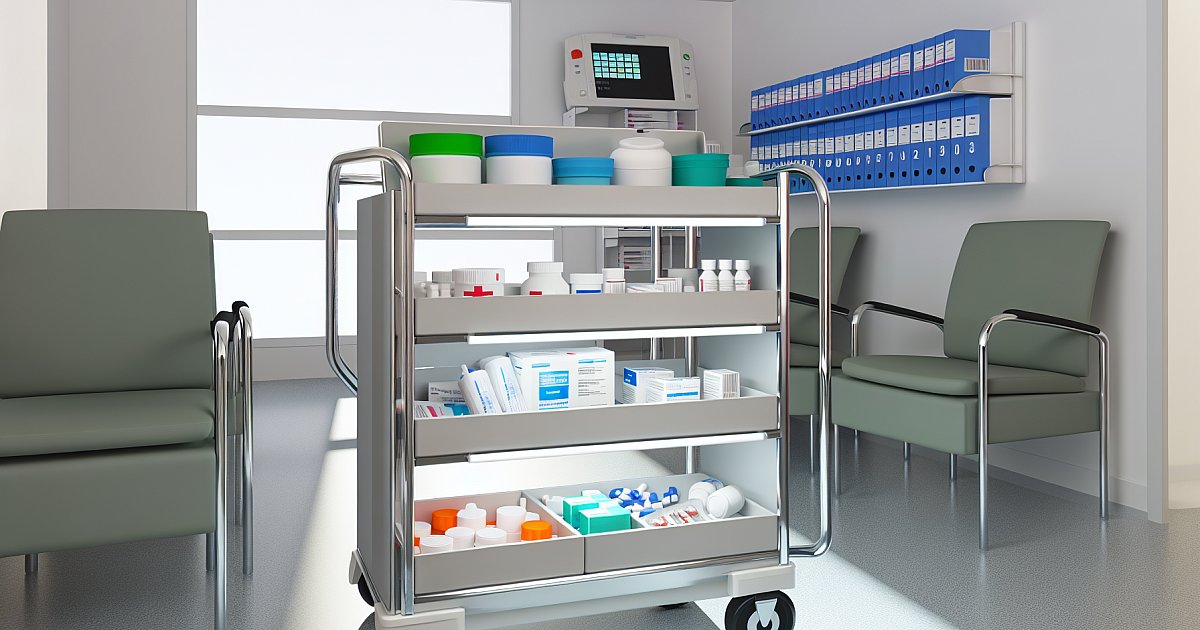
The infection control citation, logged under regulatory tag F0880, was classified as an isolated deficiency with no documented harm to residents. But inspectors determined the breakdown carried potential for more than minimal harm, the threshold that separates a paperwork problem from something that can reach a person in a bed.
Infection control failures in nursing homes are not abstract. Residents in long-term care facilities are among the most vulnerable to the consequences of lapses in basic prevention, including residents who are elderly, immunocompromised, recovering from surgery, or managing chronic conditions that leave little margin for a preventable infection to take hold.
The citation does not specify which element of the infection prevention program failed, which residents were exposed to the gap, or what the underlying complaint that triggered the inspection alleged. The inspection record identifies the deficiency category and its severity, and not much else.
That narrowness is itself worth noting. A scope and severity of D means inspectors found an isolated problem, not one that had spread through the facility's practices or affected multiple residents. But isolated does not mean inconsequential. The regulatory system uses the potential-for-harm threshold precisely because infection control gaps can move fast once they are in motion.
Southern Hills Specialty Care reported a correction date of August 25, four days after inspectors completed the visit on August 21. Four days to identify and address whatever in the program had broken down, document the fix, and report it to the state.
Whether that correction held is a question the inspection record does not answer.
The facility operates in Osceola, a small city in Clarke County in southern Iowa. It is not a large market. Residents in communities like Osceola often have limited options for long-term care, which means the performance of any single facility carries more weight than it might in an urban area where families can more readily transfer a resident to another home.
The four other deficiencies cited during the same inspection are not detailed in the available record. Whether any of them intersect with the infection control finding, whether they point to a broader pattern of compliance problems, or whether they were unrelated isolated findings is not something the record makes clear.
What the record does make clear is that inspectors came to Southern Hills Specialty Care because someone filed a complaint, found five things worth citing, and left the facility with a list of corrections to make. The infection control deficiency was one of those five.
Infection prevention programs in nursing homes are supposed to function continuously, not just during inspections. They are supposed to cover hand hygiene, the use of protective equipment, the handling of linens and waste, the management of residents with communicable conditions, and the surveillance of infections when they do occur. A gap in any of those areas can be the gap through which something preventable passes.
The inspection record does not say which of those areas failed at Southern Hills Specialty Care. It says the program was not being provided and implemented as required, and that the failure was isolated, and that it carried potential for harm.
Residents at the facility during that window did not necessarily know there was a gap in their protection. They were not the ones who filed the correction report on August 25. They were not the ones who wrote the deficiency citation. They were the ones living inside the outcome, whatever it turned out to be.
The facility's correction report closes the regulatory loop for now. Inspectors may return. Complaints may be filed again. The record will grow.
For the residents who were there in August, the record is already complete.
Full Inspection Report
The details above represent a summary of key findings. View the complete inspection report for Southern Hills Specialty Care from 2025-08-21 including all violations, facility responses, and corrective action plans.
Additional Resources
Data source: This article is based on inspection data downloaded directly from the Centers for Medicare & Medicaid Services (CMS) via Medicare.gov. CMS releases inspection reports in bulk; we publish the findings as documented by state surveyors in the official Form CMS-2567 Statement of Deficiencies.
Plan of correction: The CMS report we receive does not include the facility's plan of correction. Facilities submit plans of correction separately to state survey agencies and those responses may not be reflected in CMS data at the time of publication. The absence of a plan of correction in our data does not mean one was not filed. Readers who want information about corrective steps taken are encouraged to contact the facility directly or their state survey agency.
Corrections may have occurred: Inspection reports reflect conditions observed on the date of the survey. Facilities may have implemented corrections, staffing changes, additional training, or other remediation since the report was issued. We report what CMS provides and encourage readers to seek current information from the facility.
Editorial process: Inspection findings are extracted from CMS source documents and synthesized using AI, reviewed for factual accuracy against the original report by our editorial team.
Corrections: We strive for accuracy in everything we publish. If you believe any fact in this article is incorrect, please contact us with details, and we will review and correct it promptly.
Professional review: All content reviewed by Christopher F. Nesbitt, Sr., NH EMT & BU-trained Paralegal.
Last verified: October 12, 2026 · Our methodology
Southern Hills Specialty Care in Osceola, IA was cited for violations during a health inspection on August 21, 2025.
The infection control citation, logged under regulatory tag F0880, was classified as an isolated deficiency with no documented harm to residents.
Health inspections identify deficiencies that facilities must correct. Violations range from minor documentation issues to serious safety concerns. Review the full report below for specific details and facility response.