Medilodge of Southfield: Infection Control Failure - MI
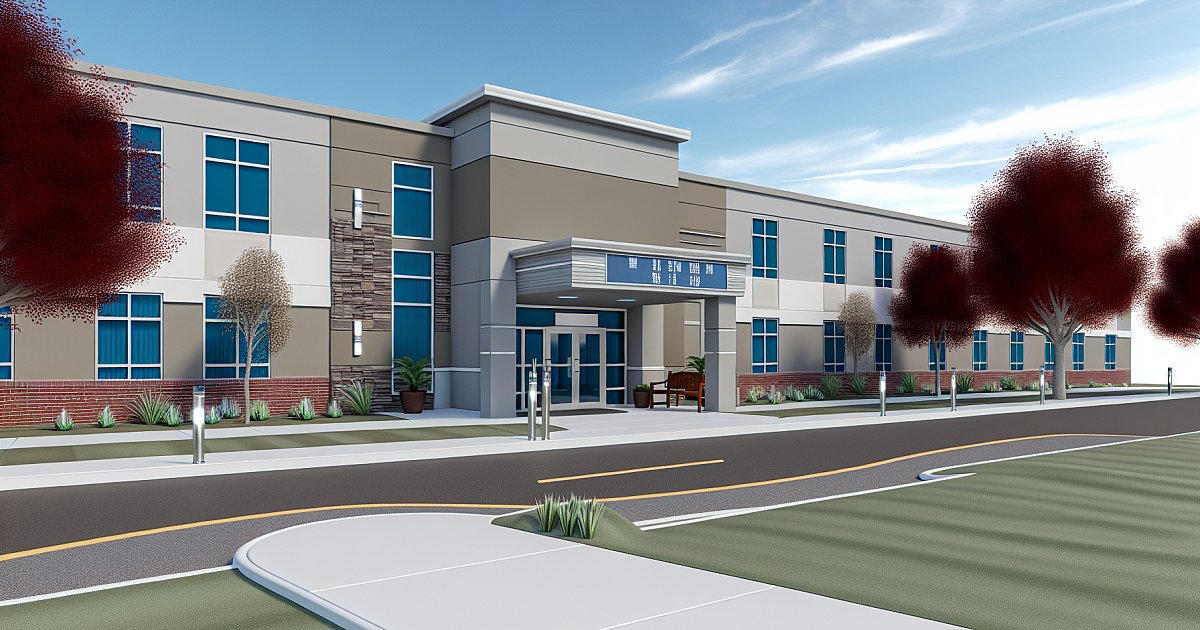
The citation was one of 17 deficiencies inspectors documented that day.
Inspectors cited the facility under a regulatory category covering infection prevention and control, finding that the program was not being properly provided or implemented. The deficiency was classified at Scope/Severity Level D, meaning it was an isolated problem with no documented actual harm but with potential for more than minimal harm to residents living there.
Infection control failures in nursing homes carry weight that the classification system doesn't always fully capture. Residents of long-term care facilities are, as a group, among the most medically vulnerable people in any community. Many are elderly, immunocompromised, or managing multiple chronic conditions that make even routine infections harder to fight off. When the systems designed to prevent the spread of bacteria, viruses, and other pathogens inside a facility break down, even an isolated lapse can have consequences that travel from one resident to the next.
The inspection report does not describe what specifically went wrong with the program at Medilodge of Southfield. It does not name the residents who may have been at risk, identify which component of the program was deficient, or say how long the problem had existed before inspectors arrived. What it records is a finding: the program was not being implemented as it should have been.
Medilodge of Southfield reported a correction date of September 9, 2025, roughly three and a half weeks after the inspection.
The 17 deficiencies cited during this single inspection represent a significant number for one visit. Inspection reports don't always signal a facility in crisis, and a single complaint inspection can surface a range of issues varying widely in severity. But 17 citations in one inspection cycle is a figure worth noting. It suggests inspectors found problems distributed across multiple areas of care, not a single isolated breakdown in one corner of the operation.
The infection control citation was among them, and infection control is not a peripheral concern in a nursing home. It sits at the center of what a facility owes its residents every day, in every interaction between staff and the people they care for.
Medilodge of Southfield is a nursing facility in Oakland County. The August inspection was a complaint inspection, meaning it was triggered by a complaint filed with the state or federal oversight system rather than a routine scheduled survey. Complaint inspections are initiated when someone, whether a resident, family member, staff member, or outside party, raises a concern significant enough to prompt a visit.
The inspection report does not disclose the nature of the underlying complaint or whether it was related to the infection control deficiency that was ultimately cited.
What the record shows is this: inspectors came, they found 17 problems, and one of those problems was that the infection prevention and control program wasn't being carried out the way it needed to be. The facility acknowledged the deficiency and set a date to fix it.
Whether the correction took hold, and what it looked like in practice, is not something the inspection report addresses. Correction dates are self-reported by facilities. They indicate that a provider has identified a plan and committed to a timeline. They do not, on their own, confirm that the underlying problem was resolved or that it won't recur.
For the residents living at Medilodge of Southfield during the period when the infection control program was found to be deficient, the inspection report offers no individual accounting. No names, no descriptions of what they experienced or didn't experience, no record of whether anyone became ill. The Level D classification means inspectors found no actual harm documented at the time of the visit.
But potential for more than minimal harm is the threshold that triggers a citation, and that threshold was met.
Seventeen times.
Full Inspection Report
The details above represent a summary of key findings. View the complete inspection report for Medilodge of Southfield from 2025-08-15 including all violations, facility responses, and corrective action plans.
Additional Resources
Data source: This article is based on inspection data downloaded directly from the Centers for Medicare & Medicaid Services (CMS) via Medicare.gov. CMS releases inspection reports in bulk; we publish the findings as documented by state surveyors in the official Form CMS-2567 Statement of Deficiencies.
Plan of correction: The CMS report we receive does not include the facility's plan of correction. Facilities submit plans of correction separately to state survey agencies and those responses may not be reflected in CMS data at the time of publication. The absence of a plan of correction in our data does not mean one was not filed. Readers who want information about corrective steps taken are encouraged to contact the facility directly or their state survey agency.
Corrections may have occurred: Inspection reports reflect conditions observed on the date of the survey. Facilities may have implemented corrections, staffing changes, additional training, or other remediation since the report was issued. We report what CMS provides and encourage readers to seek current information from the facility.
Editorial process: Inspection findings are extracted from CMS source documents and synthesized using AI, reviewed for factual accuracy against the original report by our editorial team.
Corrections: We strive for accuracy in everything we publish. If you believe any fact in this article is incorrect, please contact us with details, and we will review and correct it promptly.
Professional review: All content reviewed by Christopher F. Nesbitt, Sr., NH EMT & BU-trained Paralegal.
Last verified: October 21, 2026 · Our methodology
Medilodge of Southfield in Southfield, MI was cited for violations during a health inspection on August 15, 2025.
The citation was one of 17 deficiencies inspectors documented that day.
Health inspections identify deficiencies that facilities must correct. Violations range from minor documentation issues to serious safety concerns. Review the full report below for specific details and facility response.