Sherman Oaks Health & Rehab: Medication Tracking Failures - CA
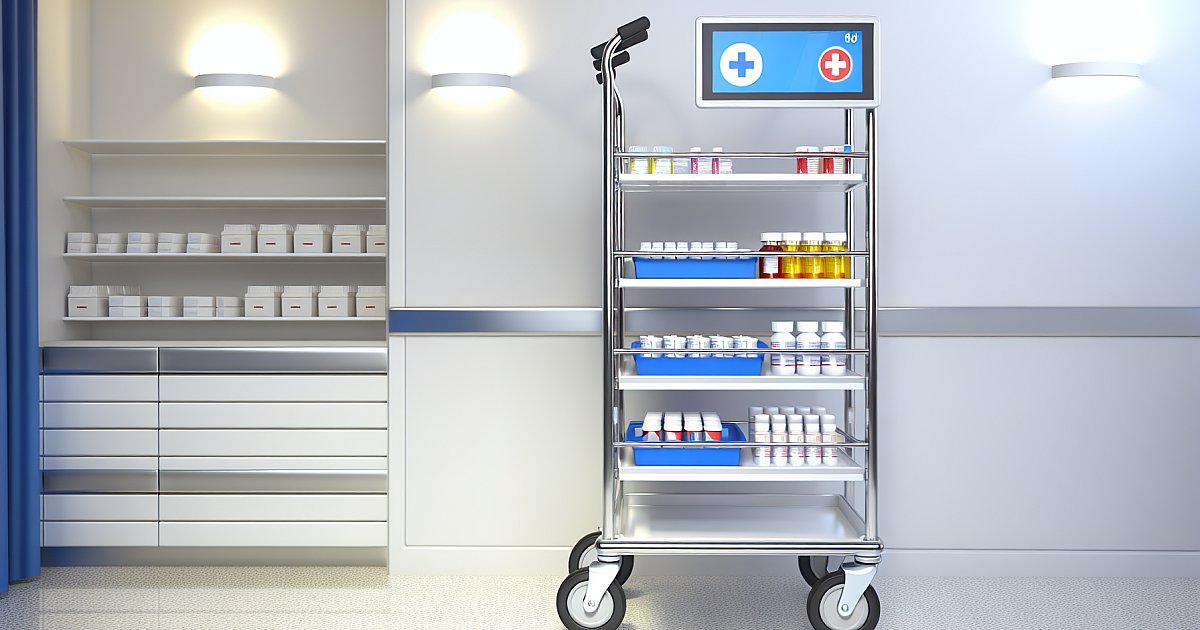
That's what federal inspectors found when they reviewed records at Sherman Oaks Health & Rehab, a skilled nursing facility at 14401 Huston Street, during a March 14, 2025 inspection.
Advertisement

Losing sleep over a loved one's care?
The Derila Ergo memory foam pillow supports your neck in any sleep position. 60-day return policy.
See the Derila PillowThe resident at the center of the findings, identified in inspection records as Resident 272, had been admitted to the facility on a date redacted from the public record. The admission paperwork listed neuropathy among the diagnoses. By early March, the resident had two controlled substances on their medication schedule: hydrocodone with acetaminophen 5-325 mg, one tablet by mouth once a day, to be given 30 to 60 minutes before wound care at 9 a.m., and pregabalin 75 mg twice a day, at 9 a.m. and 5 p.m., prescribed starting March 4, 2025 specifically for the neuropathy.
On March 12, 2025, records show the resident received a dose of the hydrocodone at 9 a.m. and a dose of the pregabalin at 9 a.m.
The problem wasn't whether the medications were given. It was whether the facility could account for them the way it was supposed to.
The facility's own written policy on controlled medication storage, last reviewed just two months before the inspection in January 2025, required that at every shift change, two licensed nurses conduct a physical count of all Schedule II controlled substances and document that count on an accountability record. A second policy, reviewed in September 2024, spelled out that whenever a controlled medication is administered, the nurse giving it must immediately enter the date and time, the amount given, and their signature on the accountability record at the moment the medication is removed from the supply.
Inspectors found the facility wasn't meeting those standards.
Hydrocodone is a Schedule II opioid, the most tightly controlled category of prescription drugs under federal law, reserved for substances with the highest potential for abuse and dependence. The dual-nurse count requirement at shift change and the real-time accountability record exist precisely because opioids in care facilities have a documented history of diversion, meaning theft or misuse by staff. When those records aren't maintained, there is no reliable way to confirm that every dose removed from storage actually reached the patient it was prescribed for.
Pregabalin, sold under the brand name Lyrica, carries its own controlled substance designation, classified as a Schedule V drug, the least restrictive tier, but still subject to the facility's recordkeeping requirements.
The inspection tagged the deficiency at a level of minimal harm or potential for actual harm, meaning inspectors did not find evidence that Resident 272 was injured as a direct result of the recordkeeping failures. The finding affected some residents, not an isolated single case.
The facility's director of nursing and its consultant pharmacist are identified in the policy documents as jointly responsible for maintaining compliance with controlled substance laws. Inspection records do not indicate what either said to surveyors about the gaps.
Sherman Oaks Health & Rehab's own paperwork described a system that, on paper, should have caught these problems automatically. Every shift, two nurses counting. Every administration, a signature entered immediately. The accountability record is supposed to be a running, real-time log that makes diversion difficult and discrepancies visible within hours.
What inspectors found instead was a facility that had reviewed those policies as recently as January and still wasn't following them by March.
Resident 272 came to the facility in pain, with a nerve condition and wounds requiring medication before anyone touched them. Whether every dose of hydrocodone prescribed for that wound care actually made it to that resident is a question the facility's own records, as maintained, cannot fully answer.
Full Inspection Report
The details above represent a summary of key findings. View the complete inspection report for Sherman Oaks Health & Rehab from 2025-03-14 including all violations, facility responses, and corrective action plans.
Additional Resources
Data source: This article is based on inspection data downloaded directly from the Centers for Medicare & Medicaid Services (CMS) via Medicare.gov. CMS releases inspection reports in bulk; we publish the findings as documented by state surveyors in the official Form CMS-2567 Statement of Deficiencies.
Plan of correction: The CMS report we receive does not include the facility's plan of correction. Facilities submit plans of correction separately to state survey agencies and those responses may not be reflected in CMS data at the time of publication. The absence of a plan of correction in our data does not mean one was not filed. Readers who want information about corrective steps taken are encouraged to contact the facility directly or their state survey agency.
Corrections may have occurred: Inspection reports reflect conditions observed on the date of the survey. Facilities may have implemented corrections, staffing changes, additional training, or other remediation since the report was issued. We report what CMS provides and encourage readers to seek current information from the facility.
Editorial process: Inspection findings are extracted from CMS source documents and synthesized using AI, reviewed for factual accuracy against the original report by our editorial team.
Corrections: We strive for accuracy in everything we publish. If you believe any fact in this article is incorrect, please contact us with details, and we will review and correct it promptly.
Professional review: All content reviewed by Christopher F. Nesbitt, Sr., NH EMT & BU-trained Paralegal.
Last verified: November 12, 2026 · Our methodology
SHERMAN OAKS HEALTH & REHAB in SHERMAN OAKS, CA was cited for violations during a health inspection on March 14, 2025.
The admission paperwork listed neuropathy among the diagnoses.
Health inspections identify deficiencies that facilities must correct. Violations range from minor documentation issues to serious safety concerns. Review the full report below for specific details and facility response.