Achieve Rehab: Fall Care Failures After Anticoagulant - NY
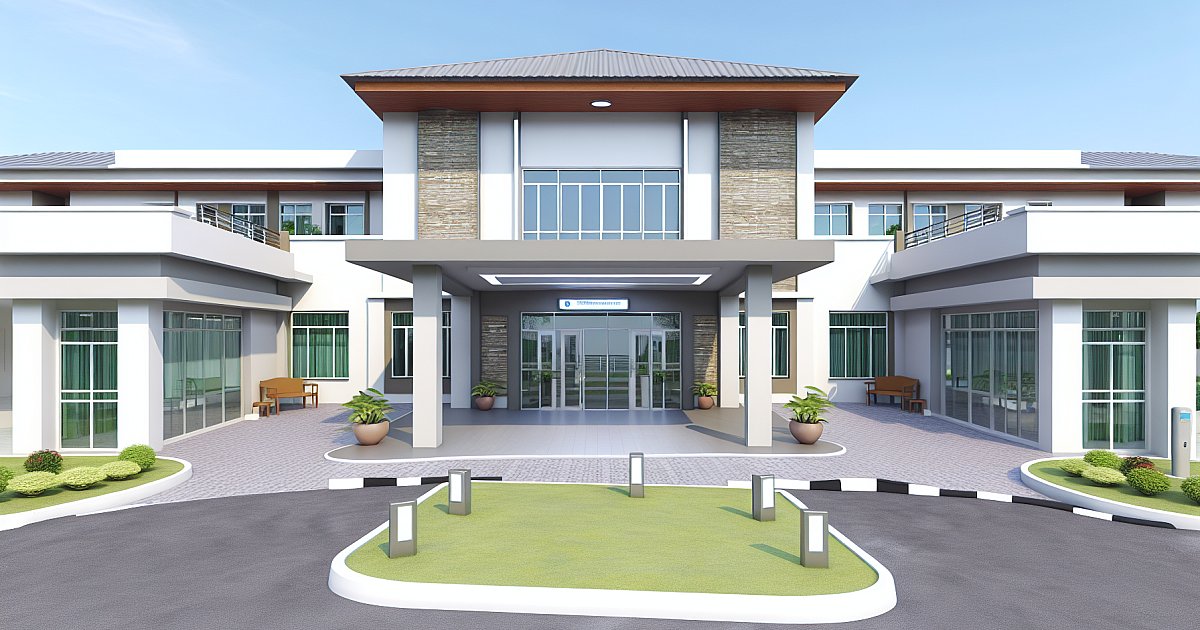
The inspection, completed May 22, 2026, examined a complaint about care provided to Resident #153 following an unwitnessed fall on August 22, 2024. What inspectors found was a series of gaps: a nurse who couldn't remember whether she told the doctor the patient was on anticoagulants, imaging that was ordered but not done, and a clinical team that watched bruising and behavior changes develop without sending the resident to the emergency room on their own initiative.
Resident #153 was prescribed Eliquis, a blood thinner that significantly increases the risk of internal bleeding after trauma. When a resident on that medication falls, even without a visible head strike, undetected internal bleeding is a real danger. The nurse who assessed Resident #153 after the fall, Registered Nurse #3, told inspectors during a May 20 interview that standard practice included notifying the physician of any injuries and of whether the resident was on anticoagulant medication. Then she said she had no recollection of whether she had actually told the physician that Resident #153 was on Eliquis.
She also said she didn't know why the imaging hadn't been done.
Nurse Practitioner #1, interviewed the evening of May 19, offered an explanation for why the resident wasn't sent to the hospital immediately: no head strike had been identified. The resident, the nurse practitioner said, remained at baseline. But the nurse practitioner also acknowledged that ecchymosis — bruising — was present, and that the resident's behaviors had increased following the fall. Radiographic imaging had been ordered to rule out fractures. A technician had arrived on August 22 to perform it.
The imaging was not completed.
The family told inspectors during a May 18 interview that the facility failed to adequately evaluate their family member after the fall. They described the bruising on the right side of the resident's body and said they had to request the hospital transfer themselves. Their position was direct: the facility should have recognized how serious the situation was and initiated the transfer without waiting for the family to insist.
Nurse Practitioner #1 confirmed that account. The family expressed concern that imaging had not been done sooner, and asked that the resident be transferred. The nurse practitioner then arranged the transfer.
The inspection report does not describe what happened to Resident #153 at the hospital — whether fractures were found, whether internal bleeding had occurred, what the emergency room determined. That gap sits at the center of the record. The facility had a resident on a blood thinner, a fall with visible bruising and behavioral changes, imaging that was ordered and not completed, and a nurse who could not say with certainty whether the prescribing physician even knew about the anticoagulant.
Registered Nurse #3 told inspectors that protocol after a fall included neurological checks and safety checks every thirty minutes. Whether those checks were performed consistently, and what they found if they were, is not detailed in the inspection record.
What the record does show is the shape of how the situation resolved: not through clinical reassessment that determined the resident needed higher-level care, but through a family that looked at the bruising, waited for imaging that didn't come, and finally demanded action. Nurse Practitioner #1 arranged the transfer after the family asked. Not before.
The deficiency was cited under New York Code Rules and Regulations 415.12, which governs resident care. CMS classified the level of harm as minimal harm or potential for actual harm, and noted that few residents were affected.
The family's account of that day has a particular weight that the clinical notes don't fully capture. They watched bruising appear on someone they knew. They waited for X-rays that a technician had supposedly come to take. They asked questions and were not reassured. And ultimately they were the ones who got their family member to the hospital — not because the facility decided it was time, but because the family decided they were done waiting.
Full Inspection Report
The details above represent a summary of key findings. View the complete inspection report for Achieve Rehab and Nursing Facility from 2026-05-22 including all violations, facility responses, and corrective action plans.
Additional Resources
Data source: This article is based on inspection data downloaded directly from the Centers for Medicare & Medicaid Services (CMS) via Medicare.gov. CMS releases inspection reports in bulk; we publish the findings as documented by state surveyors in the official Form CMS-2567 Statement of Deficiencies.
Plan of correction: The CMS report we receive does not include the facility's plan of correction. Facilities submit plans of correction separately to state survey agencies and those responses may not be reflected in CMS data at the time of publication. The absence of a plan of correction in our data does not mean one was not filed. Readers who want information about corrective steps taken are encouraged to contact the facility directly or their state survey agency.
Corrections may have occurred: Inspection reports reflect conditions observed on the date of the survey. Facilities may have implemented corrections, staffing changes, additional training, or other remediation since the report was issued. We report what CMS provides and encourage readers to seek current information from the facility.
Editorial process: Inspection findings are extracted from CMS source documents and synthesized using AI, reviewed for factual accuracy against the original report by our editorial team.
Corrections: We strive for accuracy in everything we publish. If you believe any fact in this article is incorrect, please contact us with details, and we will review and correct it promptly.
Professional review: All content reviewed by Christopher F. Nesbitt, Sr., NH EMT & BU-trained Paralegal.
Last verified: October 31, 2026 · Our methodology
Achieve Rehab And Nursing Facility in Liberty, NY was cited for violations during a health inspection on May 22, 2026.
The inspection, completed May 22, 2026, examined a complaint about care provided to Resident #153 following an unwitnessed fall on August 22, 2024.
Health inspections identify deficiencies that facilities must correct. Violations range from minor documentation issues to serious safety concerns. Review the full report below for specific details and facility response.