Berkeley Nursing & Rehab: Visitor Threatened Resident - Oak Park, IL
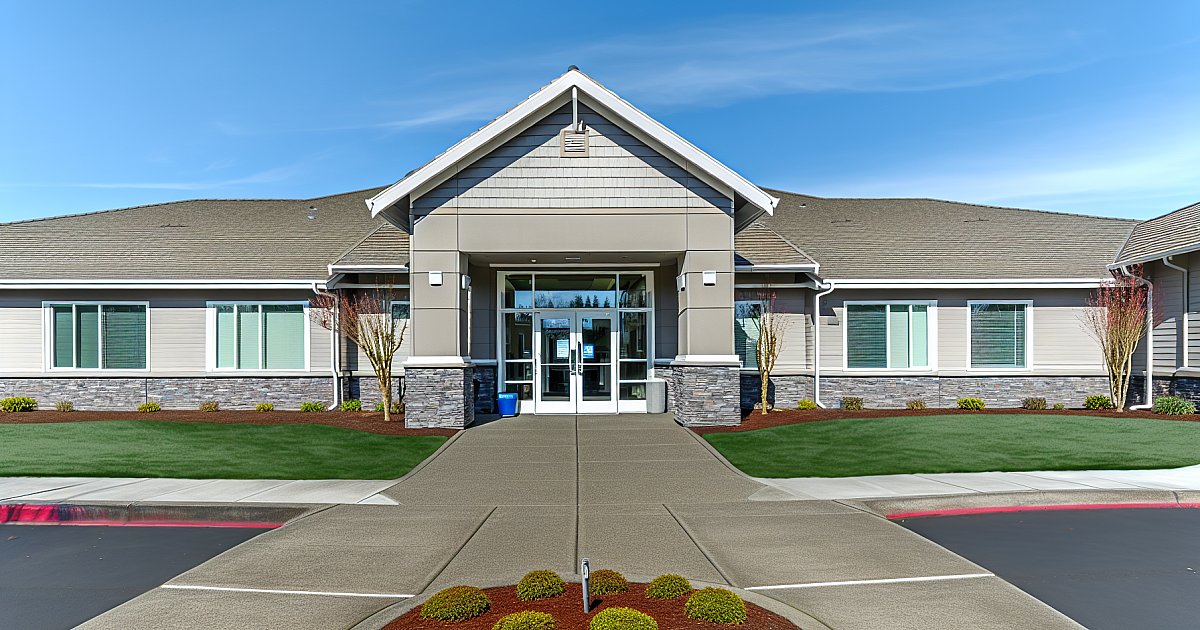
The incident happened on March 14, 2026, at Berkeley Nursing & Rehab Center, a facility on the western edge of Chicago. A federal complaint inspection conducted on April 30, 2026 documented what occurred that afternoon and what the facility's own records showed about how it was handled.
The visitor, identified in inspection records as V3, had become convinced that a resident, identified as R1, had been speaking about her disparagingly to other residents in Spanish. She was wrong, according to R1 himself. But by the time anyone could sort that out, V3 had already made her way to a staff member and started screaming.
A witness statement from V5, a staff member present during the incident, described the scene in plain terms. V3 came up yelling and screaming that R1 was talking about her in Spanish. R1 approached V5 separately and said he had never said anything about V3. Then V3 raised her left arm toward R1 and told him: "You say one more thing about me in Spanish, I'm going to fking slap the sh*t out of you, motherfker." She also told V5 directly that she was going to slap R1.
Two nurses attempted to calm V3 down. Neither succeeded. V3 continued yelling and cursing and remained verbally abusive toward R1.
The Illinois Department of Public Health incident report, which the facility completed following the confrontation, described V3 as having become upset and reported her grievance to the charge nurse in a loud and angry tone — and did so in R1's presence. The report also noted that interventions included assuring R1 that he was in a safe and secure environment with caring professionals.
That assurance, whatever comfort it was meant to provide, came after R1 had already stood in front of a person threatening to physically strike him while staff watched and could not stop it.
The inspection classified the violation as causing minimal harm or potential for actual harm and noted that few residents were affected. Under federal nursing home standards, facilities are required to protect residents from abuse by anyone on the premises, including visitors. The facility's own abuse prevention policy, last revised in May 2016, states that procedures are to be implemented when an employee or agent becomes aware of abuse or neglect by a third party.
V3 was a third party. The charge nurse was told directly, in a loud and angry tone, before the threat escalated. The two nurses who then tried to intervene watched the confrontation continue without being able to stop it.
What the inspection report does not describe is whether V3 was removed from the facility, whether her visiting privileges were restricted, or whether anyone contacted law enforcement. The records reviewed by inspectors cover the incident report and the witness statement. The gap between what the policy promises and what the documentation shows is where the violation lives.
For R1, the experience was documented in clinical terms. The facility's records noted interventions to reassure him of his safety. Whether those words landed the way they were intended, for a man who had just been threatened with physical violence in the place where he lives, is not something the inspection report addresses.
Nursing home residents occupy an unusual position. They cannot simply leave a confrontation. They cannot go home and lock the door. The facility is the home, and the people who enter it, whether staff, family, or visitors, share that space with them whether they want them to or not. When a visitor raises an arm at a resident and announces an intention to strike him, the resident has nowhere to go.
The charge nurse who first heard V3's complaint knew the situation was volatile before it reached R1. The inspection record shows V3 reported her grievance in a loud and angry tone, in R1's presence, before the threat was made. That detail matters. The escalation did not happen out of nowhere, and it did not happen out of earshot.
Berkeley Nursing & Rehab Center's abuse policy is not unusual. Facilities across Illinois carry similar language, committing to prevent abuse by third parties and to act when staff become aware of it. The question federal inspectors asked, reviewing this incident six weeks after it happened, was whether the facility's response matched that commitment.
The inspection covered a complaint, not a routine survey. Someone filed a report. Inspectors came. They reviewed the IDPH incident form, the witness statement from V5, and the facility's own policy documentation. What they found was enough to cite a deficiency.
R1 was told he was safe. He was told he was in a secure environment with caring professionals. Two of those professionals had tried and failed to stop a visitor from threatening him to his face. The incident report was filed. The policy was reviewed. The article was written.
Whether R1 felt safe after that afternoon is a question the records do not answer.
Full Inspection Report
The details above represent a summary of key findings. View the complete inspection report for Berkeley Nursing & Rehab Center from 2026-04-30 including all violations, facility responses, and corrective action plans.
Download the official CMS inspection PDF from Medicare.gov
Additional Resources
Data source: This article is based on inspection data downloaded directly from the Centers for Medicare & Medicaid Services (CMS) via Medicare.gov. CMS releases inspection reports in bulk; we publish the findings as documented by state surveyors in the official Form CMS-2567 Statement of Deficiencies.
Plan of correction: The CMS report we receive does not include the facility's plan of correction. Facilities submit plans of correction separately to state survey agencies and those responses may not be reflected in CMS data at the time of publication. The absence of a plan of correction in our data does not mean one was not filed. Readers who want information about corrective steps taken are encouraged to contact the facility directly or their state survey agency.
Corrections may have occurred: Inspection reports reflect conditions observed on the date of the survey. Facilities may have implemented corrections, staffing changes, additional training, or other remediation since the report was issued. We report what CMS provides and encourage readers to seek current information from the facility.
Editorial process: Inspection findings are extracted from CMS source documents and synthesized using AI, reviewed for factual accuracy against the original report by our editorial team.
Corrections: We strive for accuracy in everything we publish. If you believe any fact in this article is incorrect, please contact us with details, and we will review and correct it promptly.
Professional review: All content reviewed by Christopher F. Nesbitt, Sr., NH EMT & BU-trained Paralegal.
Last verified: October 27, 2026 · Our methodology
BERKELEY NURSING & REHAB CENTER in OAK PARK, IL was cited for violations during a health inspection on April 30, 2026.
The incident happened on March 14, 2026, at Berkeley Nursing & Rehab Center, a facility on the western edge of Chicago.
Health inspections identify deficiencies that facilities must correct. Violations range from minor documentation issues to serious safety concerns. Review the full report below for specific details and facility response.