Ridgewood Living & Rehabilitation: Pest Control Failure - NC
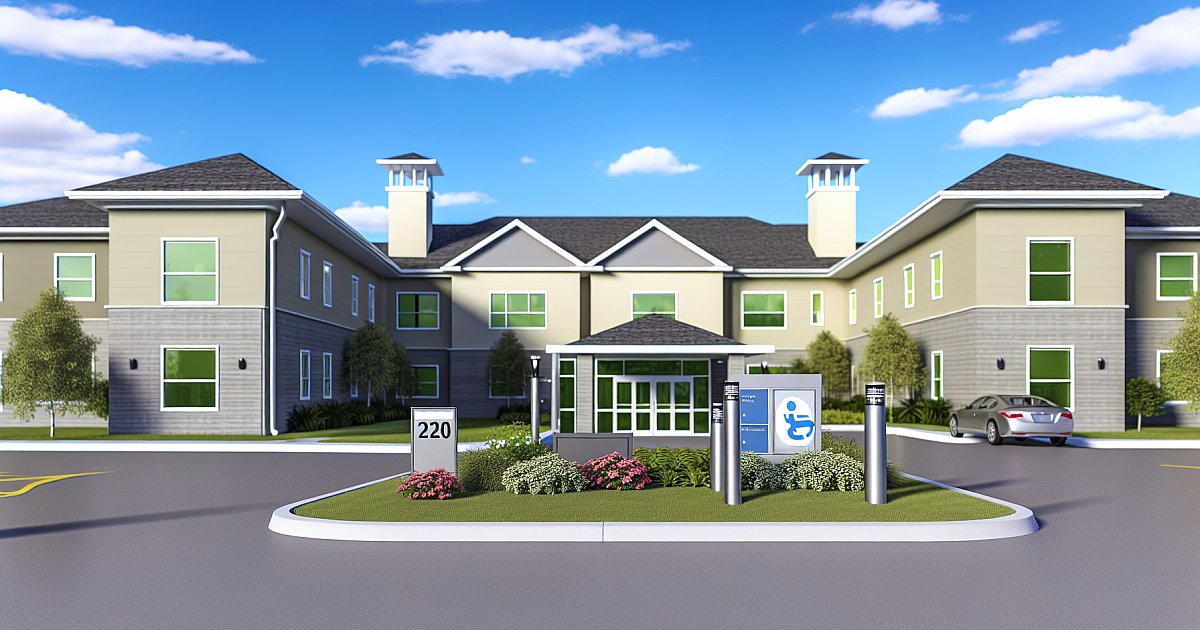
The pest control citation, recorded under regulatory tag F0925, placed the violation in the environmental deficiencies category. Inspectors classified it at Scope/Severity Level B, meaning the problem was isolated and no resident was documented as actually harmed. The finding did carry a determination that the potential for more than minimal harm existed.
That distinction matters in a care setting. Mice and insects in a nursing home are not a background nuisance. Residents in long-term care often have open wounds, suppressed immune systems, or limited mobility that prevents them from moving away from a problem they can see or hear. A resident who cannot get out of bed cannot move away from a mouse that enters a room at night. A resident with a healing surgical wound cannot simply swat away insects drawn to a dressing.
Ridgewood reported the problem corrected as of September 20, fifteen days after inspectors walked the building. CMS determined no revisit was needed to verify the correction.
The pest control finding was one of eleven deficiencies documented during the September 5 inspection, which was conducted as a complaint survey. Complaint surveys are triggered when someone, typically a resident, family member, or staff person, contacts the state health department with a concern serious enough to send inspectors. The full scope of what prompted that complaint, and what the other ten deficiencies covered, was not detailed in the inspection record for this citation.
Eleven deficiencies in a single inspection is a number worth sitting with. A complaint survey that produces that volume of findings suggests inspectors arrived looking at one problem and found others once they were inside.
Ridgewood Living & Rehabilitation Center operates in Washington, a small city on the Pamlico River in Beaufort County. For families in that part of eastern North Carolina, options for placing a loved one in skilled nursing care are limited by geography. The nearest alternatives may require a significant drive, which shapes how much leverage families feel they have when something goes wrong.
The facility reported the pest issue resolved fifteen days after the inspection closed. No independent verification of that correction was required by regulators. The record stands as self-reported.
What the inspection report does not say is who first noticed the problem, how long it had been present before inspectors arrived, or what specifically they observed. The citation describes a failure of the pest control program broadly, without specifying whether inspectors found evidence of mice, insects of a particular kind, or some combination. That detail, which would tell a family quite a lot about what their relative had been living alongside, is not in the public record for this citation.
Pest infestations in nursing homes are more common in inspection records than many families realize. They appear in facilities across every region, in buildings both old and new, and they tend to surface in complaint surveys precisely because residents or staff noticed something and decided to report it. The gap between when a problem becomes visible inside a building and when it reaches an inspector can stretch for weeks or months.
The Level B classification means this finding will not trigger the most serious regulatory consequences. It will not appear as an immediate jeopardy citation. It will not, on its own, place the facility on a special focus list. What it does is enter the public record as a documented failure, one piece of a larger picture that families researching this facility will now encounter when they look.
Eleven deficiencies from a single complaint inspection, a pest control failure among them, and a self-reported correction that required no follow-up visit. That is what the record shows for Ridgewood Living & Rehabilitation Center as of September 2025. For the residents who live there, the inspection is over. The building is still their home.
Full Inspection Report
The details above represent a summary of key findings. View the complete inspection report for Ridgewood Living & Rehabilitation Center from 2025-09-05 including all violations, facility responses, and corrective action plans.
Additional Resources
Data source: This article is based on inspection data downloaded directly from the Centers for Medicare & Medicaid Services (CMS) via Medicare.gov. CMS releases inspection reports in bulk; we publish the findings as documented by state surveyors in the official Form CMS-2567 Statement of Deficiencies.
Plan of correction: The CMS report we receive does not include the facility's plan of correction. Facilities submit plans of correction separately to state survey agencies and those responses may not be reflected in CMS data at the time of publication. The absence of a plan of correction in our data does not mean one was not filed. Readers who want information about corrective steps taken are encouraged to contact the facility directly or their state survey agency.
Corrections may have occurred: Inspection reports reflect conditions observed on the date of the survey. Facilities may have implemented corrections, staffing changes, additional training, or other remediation since the report was issued. We report what CMS provides and encourage readers to seek current information from the facility.
Editorial process: Inspection findings are extracted from CMS source documents and synthesized using AI, reviewed for factual accuracy against the original report by our editorial team.
Corrections: We strive for accuracy in everything we publish. If you believe any fact in this article is incorrect, please contact us with details, and we will review and correct it promptly.
Professional review: All content reviewed by Christopher F. Nesbitt, Sr., NH EMT & BU-trained Paralegal.
Last verified: November 3, 2026 · Our methodology
Ridgewood Living & Rehabilitation Center in Washington, NC was cited for violations during a health inspection on September 5, 2025.
The pest control citation, recorded under regulatory tag F0925, placed the violation in the environmental deficiencies category.
Health inspections identify deficiencies that facilities must correct. Violations range from minor documentation issues to serious safety concerns. Review the full report below for specific details and facility response.