Manor at Perrysburg: ADL Decline Violations - OH
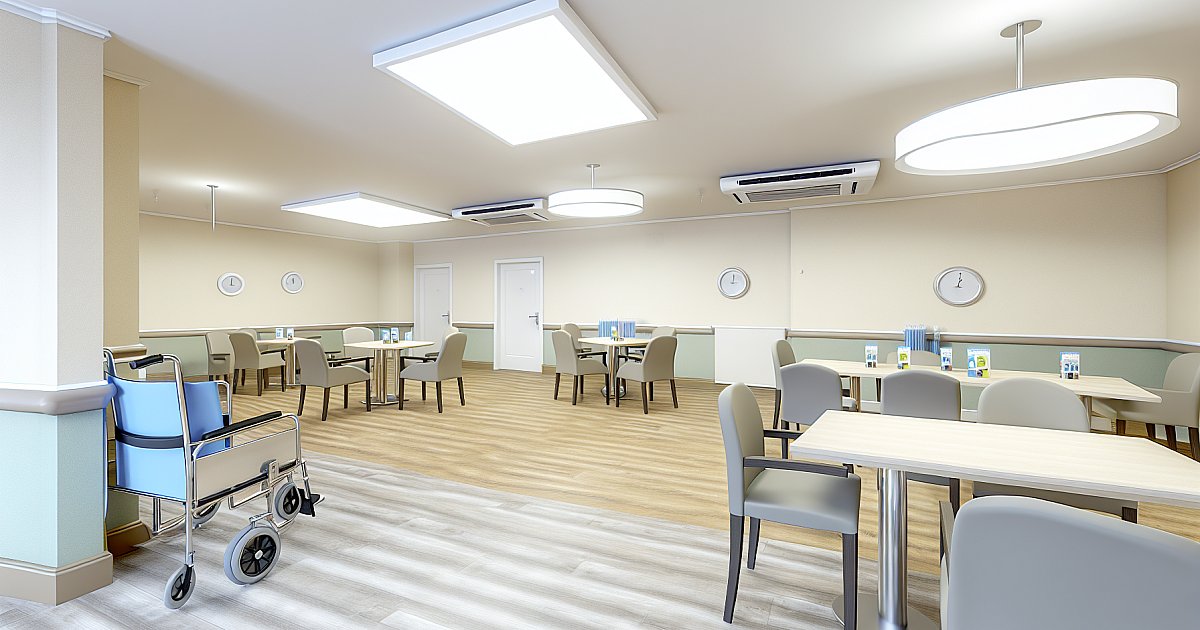
The citation, issued August 21, 2025, fell under a category that nursing home regulators use when residents decline in ways that aren't explained by their medical conditions. Bathing themselves. Dressing. Moving. The ordinary acts of daily life that, once lost inside a care facility, are rarely recovered.
The deficiency was rated scope and severity level D, meaning inspectors found the problem affected an isolated number of residents and did not document actual harm. But level D is not a clean bill of health. It means there was potential for more than minimal harm, and that potential was real enough to put in writing.
The facility reported it had corrected the problem by September 12, 2025, three weeks after inspectors walked out.
What the inspection report does not say is which residents were affected, how long the decline had been occurring before anyone flagged it, or what specifically the facility was and wasn't doing to support residents' independence. The narrative provided to regulators runs to a few sentences. The correction date is logged. The case, on paper, is closed.
That gap between a citation and a correction date is where the story of a nursing home resident's daily life actually lives. A person who loses the ability to dress themselves because nobody helped them practice doesn't regain that ability on September 12 because a facility submitted paperwork.
The deficiency cited here has a specific regulatory meaning. It applies when a facility's own failures, not a resident's underlying disease, are responsible for a decline in function. That distinction matters because nursing homes are required to provide the kind of care that maintains what a resident can still do. When inspectors cite this tag, they are saying that didn't happen.
Thirteen deficiencies in a single inspection is not an unusual number for a nursing home, but it is not a small one either. The other 12 findings from the August visit were not detailed in the inspection summary reviewed for this report. What is clear is that inspectors arrived in response to a complaint, not as part of a routine scheduled visit, and they found enough to document problems across multiple categories of care.
Complaint inspections are triggered when someone, a resident, a family member, a staff member, calls or writes to regulators with a concern specific enough to send inspectors to the door. The facility does not know in advance they are coming. Whatever inspectors found on August 21 was what the facility looked like on an ordinary day.
Manor at Perrysburg is a long-term care facility in Perrysburg, a city of roughly 25,000 people in Wood County, southwest of Toledo. For many of its residents, it is not a temporary stop. It is where they live.
The activities of daily living that the cited regulation protects are not abstract. They are the things that mark the difference between a person who can wash their own face in the morning and one who cannot. Between someone who chooses when to get out of bed and someone who waits to be told. When a nursing home fails to support those abilities, the loss is not just physical. It is the slow narrowing of a life.
The facility's correction date of September 12 means regulators accepted its plan to fix the problem within three weeks of the inspection. Whether the residents who experienced the decline have regained any of what they lost is not recorded anywhere in the public file.
Full Inspection Report
The details above represent a summary of key findings. View the complete inspection report for Manor At Perrysburg from 2025-08-21 including all violations, facility responses, and corrective action plans.
Additional Resources
Data source: This article is based on inspection data downloaded directly from the Centers for Medicare & Medicaid Services (CMS) via Medicare.gov. CMS releases inspection reports in bulk; we publish the findings as documented by state surveyors in the official Form CMS-2567 Statement of Deficiencies.
Plan of correction: The CMS report we receive does not include the facility's plan of correction. Facilities submit plans of correction separately to state survey agencies and those responses may not be reflected in CMS data at the time of publication. The absence of a plan of correction in our data does not mean one was not filed. Readers who want information about corrective steps taken are encouraged to contact the facility directly or their state survey agency.
Corrections may have occurred: Inspection reports reflect conditions observed on the date of the survey. Facilities may have implemented corrections, staffing changes, additional training, or other remediation since the report was issued. We report what CMS provides and encourage readers to seek current information from the facility.
Editorial process: Inspection findings are extracted from CMS source documents and synthesized using AI, reviewed for factual accuracy against the original report by our editorial team.
Corrections: We strive for accuracy in everything we publish. If you believe any fact in this article is incorrect, please contact us with details, and we will review and correct it promptly.
Professional review: All content reviewed by Christopher F. Nesbitt, Sr., NH EMT & BU-trained Paralegal.
Last verified: November 4, 2026 · Our methodology
MANOR AT PERRYSBURG in PERRYSBURG, OH was cited for violations during a health inspection on August 21, 2025.
The ordinary acts of daily life that, once lost inside a care facility, are rarely recovered.
Health inspections identify deficiencies that facilities must correct. Violations range from minor documentation issues to serious safety concerns. Review the full report below for specific details and facility response.