Loch Haven: Dementia Care Violations Cited - MO
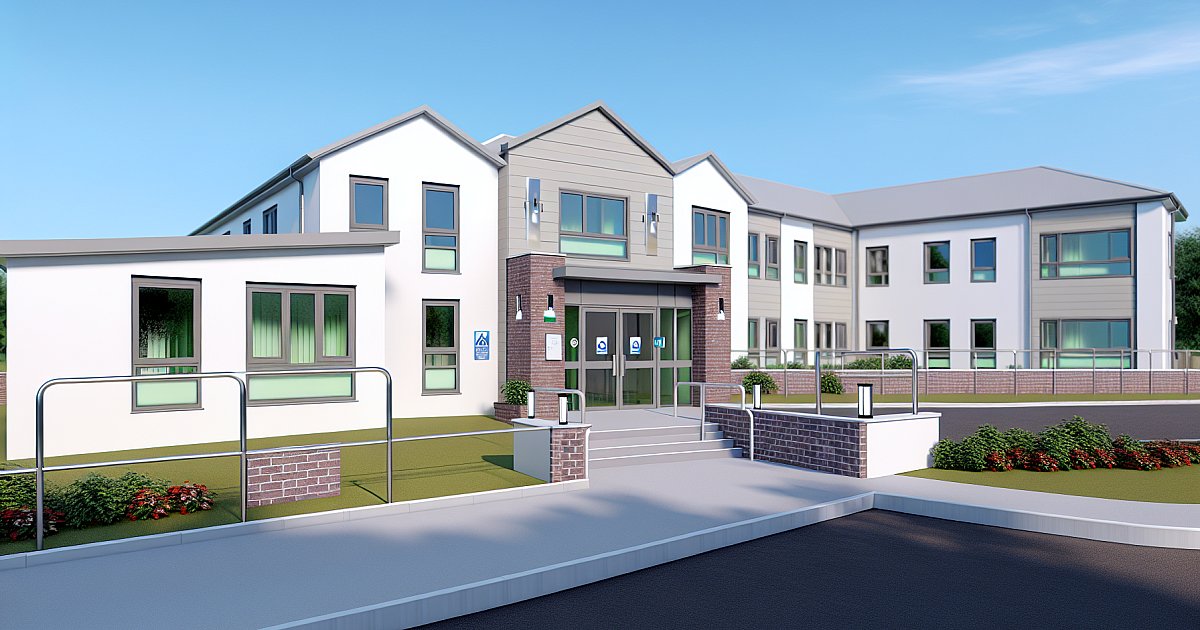
The August 21 inspection resulted in a citation under a regulatory category covering quality of life and care. The specific deficiency: the facility failed to provide appropriate treatment and services to residents who display or have been diagnosed with dementia.
Dementia care is not a peripheral concern in American nursing homes. The majority of long-term care residents carry some form of dementia diagnosis, and the condition shapes nearly every aspect of daily life inside a facility, from how staff communicate with residents to how behavioral changes are recognized and addressed. When care specific to dementia falls short, the consequences are not always immediately visible. They accumulate.
The citation was classified as an isolated deficiency at scope and severity level D, meaning inspectors determined no actual harm occurred. But level D also means inspectors found potential for more than minimal harm. That distinction matters. It means something in what they observed carried enough risk that they documented it formally and required the facility to fix it.
Federal inspectors do not cite facilities at this level casually. A complaint triggered this visit, meaning someone, a resident, a family member, or a staff member, contacted authorities with a specific concern. The inspection was not a routine survey. Someone made a call.
The inspection report does not describe which specific treatments or services were found to be lacking, nor does it identify how many residents were affected. What it records is that the failure was isolated, not systemic across the facility, and that the potential for harm was real enough to require correction.
Loch Haven reported a correction date of September 23, 2025, roughly five weeks after inspectors walked out the door. Whether that correction involved retraining staff, revising care plans, changing how the facility assesses and responds to dementia-related behaviors, or something else entirely, the report does not say.
What is known about dementia care failures in nursing homes more broadly is that they tend to cluster around the same pressure points: insufficient staff training on how to respond to agitation, wandering, and behavioral changes without resorting to restraints or unnecessary medication; care plans that don't reflect the individual resident's history and needs; and gaps between what a plan says and what actually happens during a shift.
A person with dementia cannot always articulate when something is wrong. They cannot always remember whether they received their medication, whether a staff member responded when they called out, or whether the person who was supposed to help them with a specific need actually came. The complaint that triggered this inspection came from somewhere. Someone noticed something that the resident may not have been able to report for themselves.
Loch Haven serves residents in Macon, a small city in north-central Missouri. Facilities in rural areas often operate with staffing constraints that larger urban centers don't face to the same degree. That context doesn't excuse a deficiency, but it shapes how these citations land in communities where a single facility may be the only option for families within a wide radius.
The facility now carries this citation on its federal record. Families researching Loch Haven will find it when they look. The correction date suggests the facility moved to address whatever inspectors found within about a month, which is consistent with the standard correction window for a level D finding.
But the correction date is self-reported. Inspectors will return, either on a routine survey cycle or in response to another complaint, and at that point the question becomes whether the changes held.
The resident or residents at the center of this complaint are still there, or have moved on, or are gone. The inspection report doesn't say. What it says is that at some point this summer, someone in that building with dementia was not receiving the care they needed, and someone outside that building decided to make sure it was on the record.
Full Inspection Report
The details above represent a summary of key findings. View the complete inspection report for Loch Haven from 2025-08-21 including all violations, facility responses, and corrective action plans.
Additional Resources
Data source: This article is based on inspection data downloaded directly from the Centers for Medicare & Medicaid Services (CMS) via Medicare.gov. CMS releases inspection reports in bulk; we publish the findings as documented by state surveyors in the official Form CMS-2567 Statement of Deficiencies.
Plan of correction: The CMS report we receive does not include the facility's plan of correction. Facilities submit plans of correction separately to state survey agencies and those responses may not be reflected in CMS data at the time of publication. The absence of a plan of correction in our data does not mean one was not filed. Readers who want information about corrective steps taken are encouraged to contact the facility directly or their state survey agency.
Corrections may have occurred: Inspection reports reflect conditions observed on the date of the survey. Facilities may have implemented corrections, staffing changes, additional training, or other remediation since the report was issued. We report what CMS provides and encourage readers to seek current information from the facility.
Editorial process: Inspection findings are extracted from CMS source documents and synthesized using AI, reviewed for factual accuracy against the original report by our editorial team.
Corrections: We strive for accuracy in everything we publish. If you believe any fact in this article is incorrect, please contact us with details, and we will review and correct it promptly.
Professional review: All content reviewed by Christopher F. Nesbitt, Sr., NH EMT & BU-trained Paralegal.
Last verified: October 11, 2026 · Our methodology
LOCH HAVEN in MACON, MO was cited for violations during a health inspection on August 21, 2025.
The August 21 inspection resulted in a citation under a regulatory category covering quality of life and care.
Health inspections identify deficiencies that facilities must correct. Violations range from minor documentation issues to serious safety concerns. Review the full report below for specific details and facility response.