Barron Center: Respiratory Care Failures Cited - ME
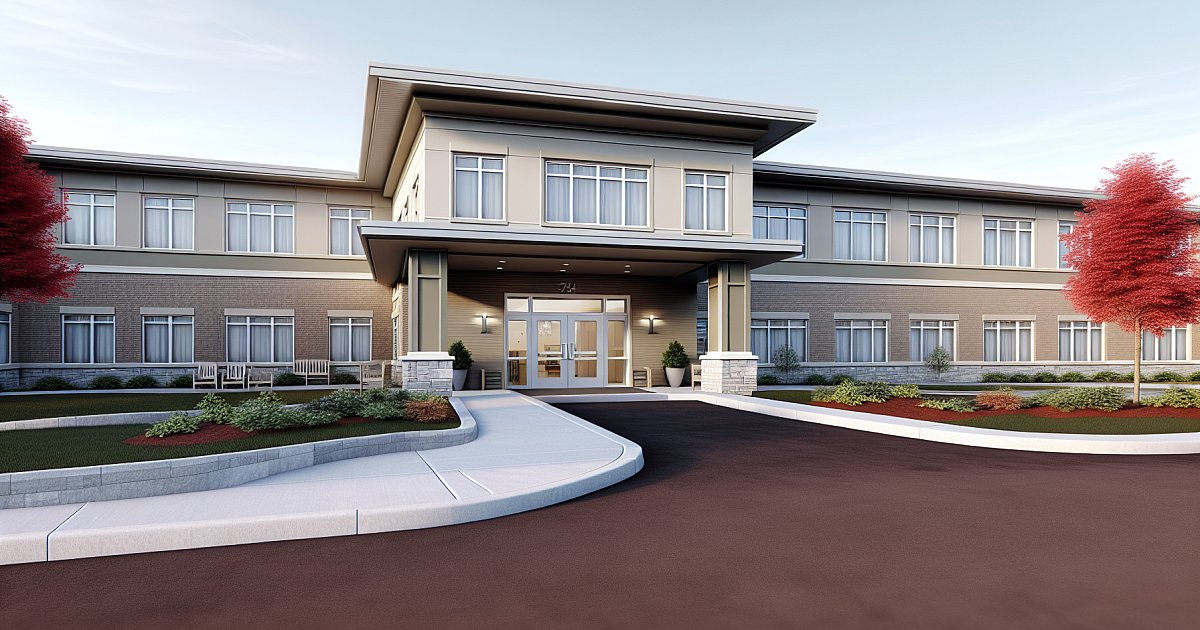
The finding was one of 10 deficiencies cited during the complaint inspection, conducted on August 21, 2025. Respiratory care sits at the center of what nursing facilities are expected to get right. For residents who depend on oxygen, ventilators, nebulizers, or airway suctioning, a gap in care is not a paperwork problem. It is the kind of failure that can move fast.
Inspectors classified the respiratory care deficiency under scope and severity level E, meaning they found a pattern of the problem and determined that while no resident suffered documented harm, the potential for more than minimal harm was real. The distinction between "no actual harm" and "no risk of harm" is not a small one. It means inspectors looked at what was happening and concluded that residents were in a position where something could go wrong, and that this was not a one-time occurrence.
The inspection was triggered by a complaint, not a routine survey cycle. That matters. Complaint inspections happen because someone, a resident, a family member, a staff member, decided that what they were seeing was serious enough to report.
Barron Center is a city-owned long-term care facility operated by Portland. It has served the city's elderly and disabled residents for decades, including many who arrive with complex medical needs and limited options elsewhere. Respiratory conditions are common among that population. Chronic obstructive pulmonary disease, heart failure, pneumonia, and the lingering effects of COVID-19 have left many nursing home residents reliant on some form of respiratory support as a basic condition of daily life.
The inspection report does not describe which residents were affected, what specific equipment or interventions were involved, or what staff did or failed to do in individual cases. What it establishes is that the problem was not confined to a single shift or a single room. A pattern finding means inspectors saw enough to conclude that the failure was embedded in how care was being delivered, not an exception to it.
Nine other deficiencies were cited during the same inspection. The report does not rank them or describe their content beyond the respiratory finding. Ten deficiencies in a single inspection of a facility that serves a medically vulnerable population is not a number that disappears into the background.
Barron Center reported a correction date of October 3, 2025, roughly six weeks after the inspection. Whether the correction addressed the underlying conditions that produced the pattern, or whether it addressed the documentation and procedures inspectors flagged, the report does not say. Correction dates in CMS inspection records reflect what a provider tells regulators, not an independent verification that the problem is gone.
What the inspection captured was a moment in time at a facility where residents were not receiving respiratory care that met the standard inspectors were looking for, and where that failure was happening broadly enough to constitute a pattern. For a resident on supplemental oxygen, or one whose care plan calls for regular breathing treatments, or one who depends on airway suctioning to prevent aspiration, that gap is not abstract.
The complaint that triggered this inspection came from somewhere. Someone at Barron Center, or someone who visited, or someone who received a call from a resident, decided that what they were seeing warranted a federal complaint. The inspection confirmed they were not wrong.
Respiratory care deficiencies at nursing facilities are not rare in CMS data, but they are not minor either. The lungs do not wait. A missed treatment, an improperly set oxygen flow, a delay in recognizing respiratory distress, each of these carries consequences that can escalate in minutes. The pattern finding here means that whatever was going wrong at Barron Center in August was not a fluke.
The facility has until October 3 on record as its correction date. Inspectors may return. The residents who were there in August are still there.
Full Inspection Report
The details above represent a summary of key findings. View the complete inspection report for Barron Center from 2025-08-21 including all violations, facility responses, and corrective action plans.
Additional Resources
Data source: This article is based on inspection data downloaded directly from the Centers for Medicare & Medicaid Services (CMS) via Medicare.gov. CMS releases inspection reports in bulk; we publish the findings as documented by state surveyors in the official Form CMS-2567 Statement of Deficiencies.
Plan of correction: The CMS report we receive does not include the facility's plan of correction. Facilities submit plans of correction separately to state survey agencies and those responses may not be reflected in CMS data at the time of publication. The absence of a plan of correction in our data does not mean one was not filed. Readers who want information about corrective steps taken are encouraged to contact the facility directly or their state survey agency.
Corrections may have occurred: Inspection reports reflect conditions observed on the date of the survey. Facilities may have implemented corrections, staffing changes, additional training, or other remediation since the report was issued. We report what CMS provides and encourage readers to seek current information from the facility.
Editorial process: Inspection findings are extracted from CMS source documents and synthesized using AI, reviewed for factual accuracy against the original report by our editorial team.
Corrections: We strive for accuracy in everything we publish. If you believe any fact in this article is incorrect, please contact us with details, and we will review and correct it promptly.
Professional review: All content reviewed by Christopher F. Nesbitt, Sr., NH EMT & BU-trained Paralegal.
Last verified: October 12, 2026 · Our methodology
Barron Center in PORTLAND, ME was cited for violations during a health inspection on August 21, 2025.
The finding was one of 10 deficiencies cited during the complaint inspection, conducted on August 21, 2025.
Health inspections identify deficiencies that facilities must correct. Violations range from minor documentation issues to serious safety concerns. Review the full report below for specific details and facility response.