Aliya of Palos Park: Hospice Care Failures Harm Residents - IL
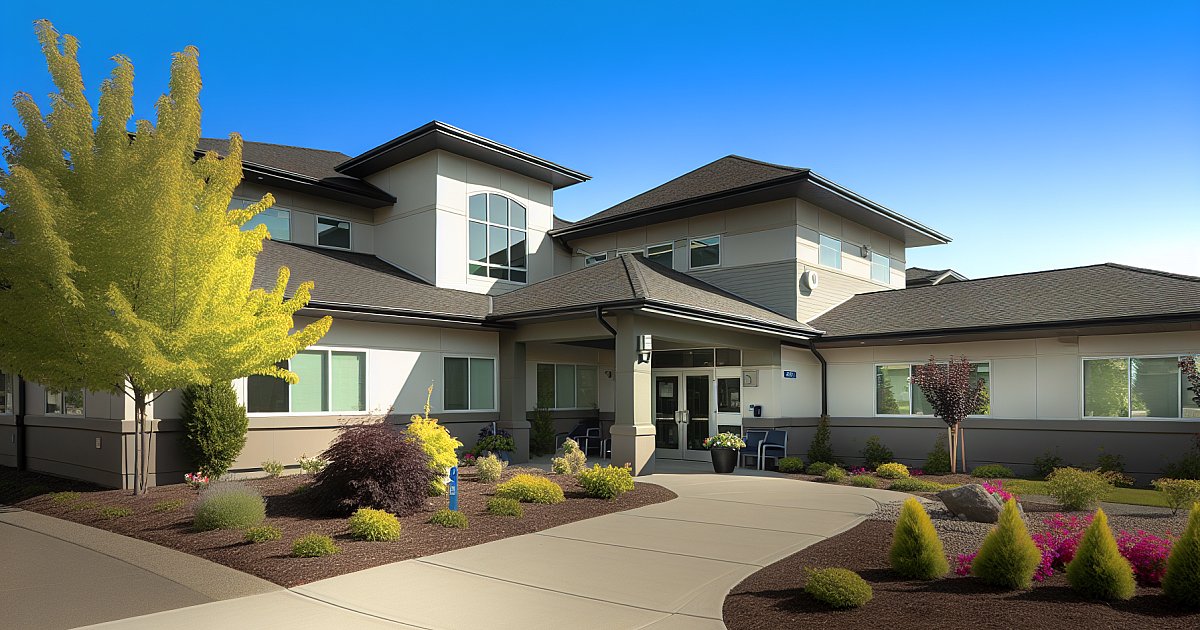
The citation, classified as causing actual harm to a small number of residents, centers on a breakdown in the contractual and practical relationship between the nursing home and the hospice providers operating inside it. Federal inspectors tagged the facility under F0689, a deficiency tied to accident hazards and the failure to provide adequate supervision and care — in this case, to residents who had already chosen comfort-focused care as they approached death.
At the core of the finding is what the facility's own written contract was supposed to guarantee and didn't deliver. The agreement between Aliya and its hospice provider was required to spell out that the nursing home bears responsibility for furnishing round-the-clock room and board, meeting each resident's personal care needs, and ensuring that nursing services are provided in coordination with the hospice environment — calibrated to what each individual actually needs. That coordination broke down. Residents were harmed as a result.
The inspection was complaint-driven, meaning someone — a resident, a family member, a staff member — raised a concern serious enough to trigger a federal review. The inspectors who responded found the complaint had merit.
Hospice care inside a nursing home operates on a specific premise: the facility handles the physical environment and day-to-day nursing and personal care, while the hospice team manages pain, comfort, and end-of-life support. When those two tracks fail to connect, the resident in the middle absorbs the consequences. They may not receive timely repositioning, personal hygiene assistance, or nursing attention that reflects where they are in their illness. The inspection record doesn't specify which residents were affected or describe in detail what care they went without. What it does say is that the harm was real, not theoretical.
The interdisciplinary team, identified in the inspection record as the responsible party for ensuring these standards are met, did not ensure they were met. That team typically includes nursing, social work, and administrative leadership — the people whose job it is to catch exactly this kind of gap before it reaches a resident.
Aliya of Palos Park is a long-term care facility in the southwest suburbs of Chicago. Complaint inspections at nursing homes are not routine sweeps. They are targeted investigations, and when they result in an actual-harm citation, it means inspectors concluded that something went wrong in a way that a real person experienced.
For residents receiving hospice care, the margin for error is already narrow. These are people who have decided that curative treatment is no longer the goal. What they are owed, at minimum, is attentive physical care in whatever days or weeks remain. A failure to coordinate that care — to make sure the nursing home's obligations and the hospice team's work are aligned and documented and actually happening — is not a paperwork problem. It is a failure that lands on the person in the bed.
The inspection record does not say whether the affected residents are still at the facility, or whether they survived long enough to see the deficiency corrected.
Full Inspection Report
The details above represent a summary of key findings. View the complete inspection report for Aliya of Palos Park from 2025-08-21 including all violations, facility responses, and corrective action plans.
Additional Resources
Data source: This article is based on inspection data downloaded directly from the Centers for Medicare & Medicaid Services (CMS) via Medicare.gov. CMS releases inspection reports in bulk; we publish the findings as documented by state surveyors in the official Form CMS-2567 Statement of Deficiencies.
Plan of correction: The CMS report we receive does not include the facility's plan of correction. Facilities submit plans of correction separately to state survey agencies and those responses may not be reflected in CMS data at the time of publication. The absence of a plan of correction in our data does not mean one was not filed. Readers who want information about corrective steps taken are encouraged to contact the facility directly or their state survey agency.
Corrections may have occurred: Inspection reports reflect conditions observed on the date of the survey. Facilities may have implemented corrections, staffing changes, additional training, or other remediation since the report was issued. We report what CMS provides and encourage readers to seek current information from the facility.
Editorial process: Inspection findings are extracted from CMS source documents and synthesized using AI, reviewed for factual accuracy against the original report by our editorial team.
Corrections: We strive for accuracy in everything we publish. If you believe any fact in this article is incorrect, please contact us with details, and we will review and correct it promptly.
Professional review: All content reviewed by Christopher F. Nesbitt, Sr., NH EMT & BU-trained Paralegal.
Last verified: October 12, 2026 · Our methodology
ALIYA OF PALOS PARK in PALOS PARK, IL was cited for violations during a health inspection on August 21, 2025.
At the core of the finding is what the facility's own written contract was supposed to guarantee and didn't deliver.
Health inspections identify deficiencies that facilities must correct. Violations range from minor documentation issues to serious safety concerns. Review the full report below for specific details and facility response.