West Woods of Bridgman: Call Light Violations - MI
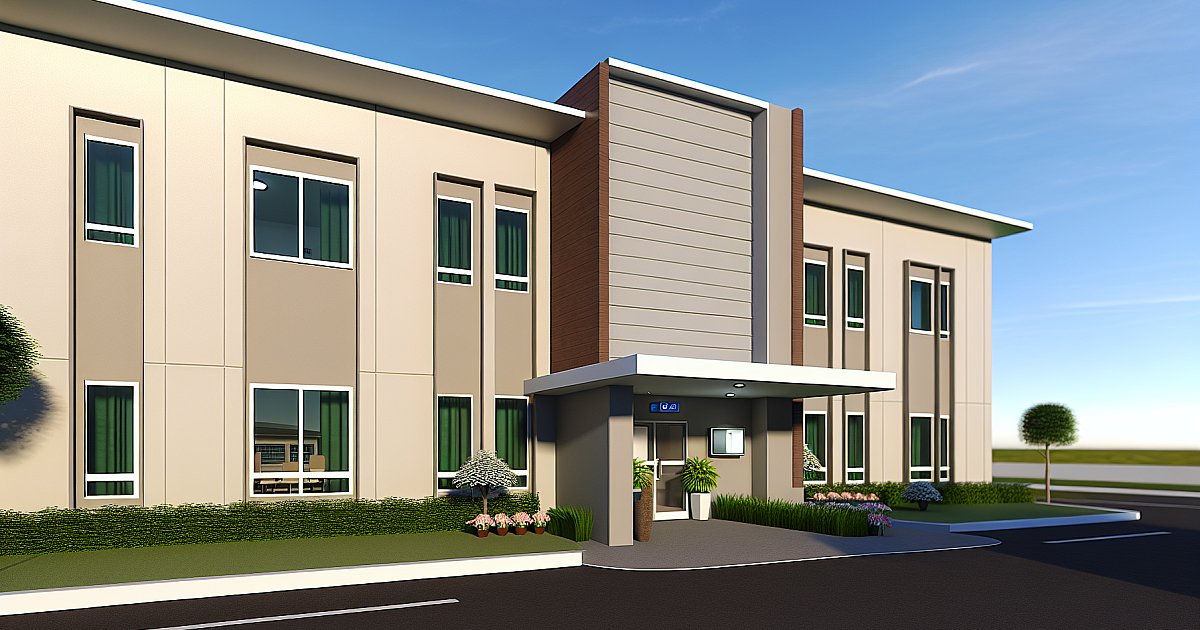
Federal inspectors documented the violation on August 20, 2025, following a complaint. The finding fell under F0550, the federal tag covering dignity and respect in resident care, with inspectors noting the harm level as minimal or potential. Some residents were affected.
What made the finding pointed was not just what staff did. It was what the facility's own paperwork said they were supposed to do.
The President of Clinical Services, identified in the inspection report as JJ, told inspectors during an interview that afternoon that staff are educated during orientation to leave the light on until the need is met. That is not a vague policy. It is a specific instruction given to every new employee.
The written orientation material confirmed it. The document, titled "Call Lights" and reviewed by inspectors on the day of the visit, read in part: "Response to Call Lights: If you see an activated red light in the hall, you are expected to answer the call light... Assist with the need if it is within your scope or to advise the resident you will get assistance, do not turn off the call light unless you have met the resident's need."
The language is unambiguous. Do not turn off the call light unless you have met the resident's need.
Staff were turning it off anyway.
The gap between what a facility puts in its orientation materials and what actually happens on the floor is one of the most persistent problems in nursing home care. A document that says the right thing is not the same as a floor where the right thing gets done. West Woods trained its employees correctly, in writing, from the start. The training did not hold.
For a resident who cannot walk to the nurses' station, cannot raise their voice loud enough to be heard from the hallway, and cannot get to the bathroom or reach their water or reposition themselves without help, the call light is not a convenience. It is the entire system. When a staff member silences it and walks away, the resident is left with nothing. No way to signal. No way to know if anyone is coming. No way to tell whether the light going dark means help is on the way or that someone decided the request could wait.
The inspection report does not describe specific residents by name or detail what they needed when their lights were turned off unanswered. It does not say how long residents waited, or whether anyone was harmed in a way that required medical attention. The harm level recorded was minimal or potential. But minimal harm, in the language of federal nursing home inspections, does not mean no harm. It means the harm that occurred, or could have occurred, did not rise to the level of actual injury requiring treatment. A resident left waiting in a wet brief, or left without water on a hot afternoon, or left unable to call for pain medication, may not show up in a medical record as an injury. They show up in nothing at all.
JJ's statement to inspectors was straightforward: staff were educated during orientation to leave the light on. The clinical leadership knew what the policy was. The orientation document was clear. And yet the complaint that triggered this inspection was substantiated.
West Woods of Bridgman sits in Berrien County, a small facility in a small city on the western edge of Michigan near the Indiana border. The August 20 inspection was a complaint visit, meaning someone, a resident, a family member, or a staff member, reported a problem and inspectors came to look. They found what was reported.
The facility's own training materials will be handed to the next new employee during orientation. The slide or handout or printed page will say the same thing it has always said. Answer the call light. Assist with the need. Do not turn off the call light unless you have met the resident's need.
Somewhere down the hall, a red light is on.
Full Inspection Report
The details above represent a summary of key findings. View the complete inspection report for West Woods of Bridgman from 2025-08-20 including all violations, facility responses, and corrective action plans.
Additional Resources
Data source: This article is based on inspection data downloaded directly from the Centers for Medicare & Medicaid Services (CMS) via Medicare.gov. CMS releases inspection reports in bulk; we publish the findings as documented by state surveyors in the official Form CMS-2567 Statement of Deficiencies.
Plan of correction: The CMS report we receive does not include the facility's plan of correction. Facilities submit plans of correction separately to state survey agencies and those responses may not be reflected in CMS data at the time of publication. The absence of a plan of correction in our data does not mean one was not filed. Readers who want information about corrective steps taken are encouraged to contact the facility directly or their state survey agency.
Corrections may have occurred: Inspection reports reflect conditions observed on the date of the survey. Facilities may have implemented corrections, staffing changes, additional training, or other remediation since the report was issued. We report what CMS provides and encourage readers to seek current information from the facility.
Editorial process: Inspection findings are extracted from CMS source documents and synthesized using AI, reviewed for factual accuracy against the original report by our editorial team.
Corrections: We strive for accuracy in everything we publish. If you believe any fact in this article is incorrect, please contact us with details, and we will review and correct it promptly.
Professional review: All content reviewed by Christopher F. Nesbitt, Sr., NH EMT & BU-trained Paralegal.
Last verified: November 3, 2026 · Our methodology
West Woods of Bridgman in Bridgman, MI was cited for violations during a health inspection on August 20, 2025.
Federal inspectors documented the violation on August 20, 2025, following a complaint.
Health inspections identify deficiencies that facilities must correct. Violations range from minor documentation issues to serious safety concerns. Review the full report below for specific details and facility response.