Rivers Health & Rehab: Medication Error Rate Violations - MI
The August 20 complaint inspection identified six deficiencies in total. One of them, filed under the pharmacy services category, documented that the facility had failed to keep its medication error rate below five percent, the threshold at which federal regulators consider a facility's drug administration practices deficient.
Inspectors recorded no documented harm to any resident from the errors. But they noted the potential for more than minimal harm was real.
That distinction matters in nursing home oversight. A medication error can mean the wrong drug, the wrong dose, the wrong resident, or the wrong time. Any one of those failures, depending on the resident and the medication, can produce consequences that range from a missed therapeutic window to a dangerous interaction to a medical crisis. The inspection record does not specify what kinds of errors occurred or how many residents were affected. What it establishes is that the rate crossed a federal threshold.
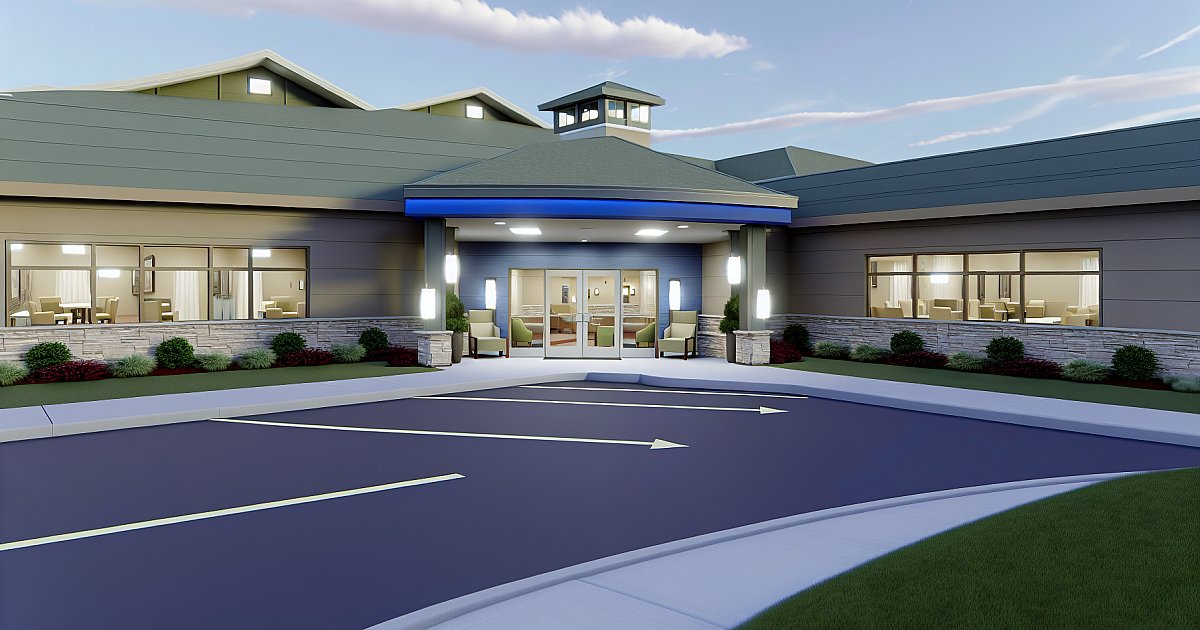
The facility is located in Grosse Pointe Woods, a suburb on the northeastern edge of Detroit along Lake St. Clair. The Rivers Health & Rehabilitation Center serves residents in short-term rehabilitation and long-term care.
The medication error finding was one of six deficiencies cited during the same visit. The inspection report does not detail the other five, but the breadth of the citation list signals that inspectors found problems across multiple areas of facility operation, not a single isolated lapse.
Correction of the medication error deficiency was reported by the facility as of September 22, 2025, roughly five weeks after the inspection. Federal rules require facilities to submit a plan of correction and a target date when deficiencies are cited. Whether the correction involved retraining staff, changing dispensing procedures, auditing records, or some combination is not described in the inspection record.
The deficiency was classified at Scope and Severity Level D, meaning inspectors considered it isolated in scope, affecting a limited number of residents rather than a widespread pattern, and causing no actual harm, though with the potential for more than minimal harm. Level D sits at the lower end of the severity scale, but it does not mean the finding is inconsequential. A medication error rate at or above five percent, even in a facility where no resident was visibly hurt during the inspection window, represents a systemic failure to catch and correct mistakes before they accumulate.
Medication safety in nursing homes depends on multiple layers working together. Nurses who administer drugs are supposed to verify the right resident, the right medication, the right dose, the right route, and the right time before every administration. Pharmacists who review medication regimens are supposed to flag irregularities. Supervisors are supposed to track error rates and intervene when they climb. When the rate crosses five percent, it means enough of those checks failed, often enough, that the aggregate crossed a line regulators have set as unacceptable.
For residents in a rehabilitation setting, the stakes can be particularly high. People recovering from strokes, hip fractures, cardiac events, or surgeries often arrive on complex medication regimens. Some are managing conditions like diabetes, hypertension, or anticoagulation therapy, where dosing precision directly affects recovery and safety. An error in that context is not an abstraction.
The inspection was triggered by a complaint, meaning someone, whether a resident, a family member, a staff member, or another party, contacted regulators with a concern serious enough to prompt a visit. The inspection record does not disclose the nature of the original complaint or whether the medication error finding was related to it.
The facility reported its correction date as September 22. That date is now past. Whether the changes made in response to the citation have held, and whether the error rate has dropped back below the federal threshold, will not be known until inspectors return.
Full Inspection Report
The details above represent a summary of key findings. View the complete inspection report for The Rivers Health & Rehabilitation Center of Gross from 2025-08-20 including all violations, facility responses, and corrective action plans.
Additional Resources
Data source: This article is based on inspection data downloaded directly from the Centers for Medicare & Medicaid Services (CMS) via Medicare.gov. CMS releases inspection reports in bulk; we publish the findings as documented by state surveyors in the official Form CMS-2567 Statement of Deficiencies.
Plan of correction: The CMS report we receive does not include the facility's plan of correction. Facilities submit plans of correction separately to state survey agencies and those responses may not be reflected in CMS data at the time of publication. The absence of a plan of correction in our data does not mean one was not filed. Readers who want information about corrective steps taken are encouraged to contact the facility directly or their state survey agency.
Corrections may have occurred: Inspection reports reflect conditions observed on the date of the survey. Facilities may have implemented corrections, staffing changes, additional training, or other remediation since the report was issued. We report what CMS provides and encourage readers to seek current information from the facility.
Editorial process: Inspection findings are extracted from CMS source documents and synthesized using AI, reviewed for factual accuracy against the original report by our editorial team.
Corrections: We strive for accuracy in everything we publish. If you believe any fact in this article is incorrect, please contact us with details, and we will review and correct it promptly.
Professional review: All content reviewed by Christopher F. Nesbitt, Sr., NH EMT & BU-trained Paralegal.
Last verified: October 14, 2026 · Our methodology
The Rivers Health & Rehabilitation Center of Gross in Grosse Pointe Woods, MI was cited for violations during a health inspection on August 20, 2025.
The August 20 complaint inspection identified six deficiencies in total.
Health inspections identify deficiencies that facilities must correct. Violations range from minor documentation issues to serious safety concerns. Review the full report below for specific details and facility response.