Schenectady Center for Rehab: PASARR Screening Failures - NY
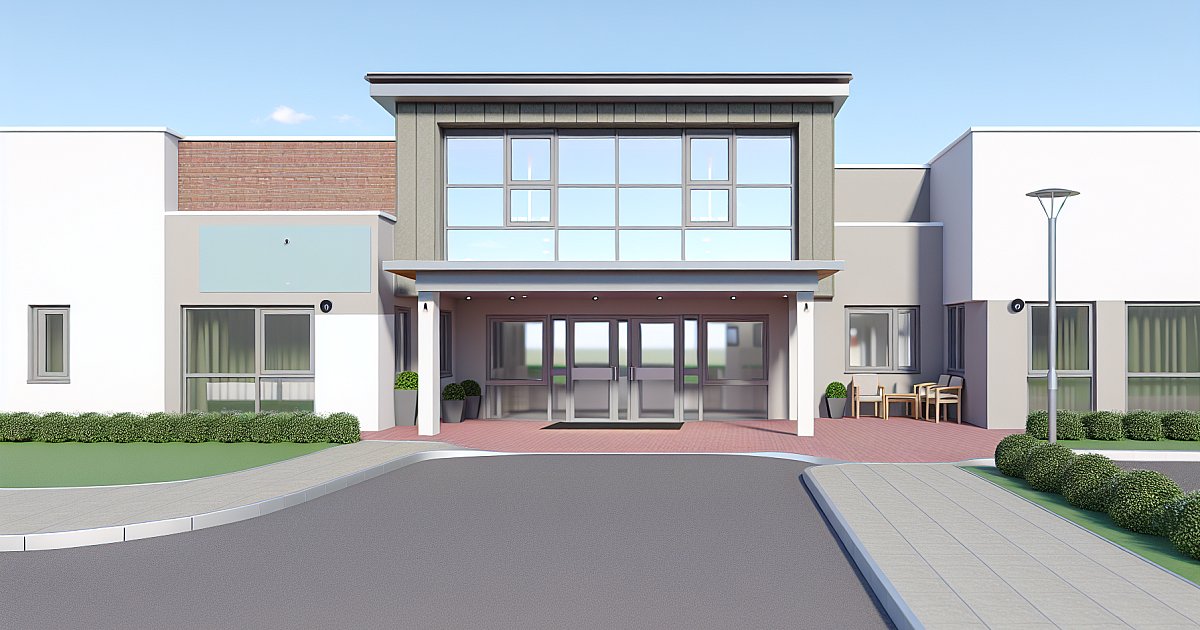
The citation, issued August 19, 2025, against Schenectady Center for Rehabilitation and Nursing, targeted a process called PASARR, which stands for Preadmission Screening and Resident Review. The screening exists for a specific reason: before a person with a serious mental illness or intellectual disability is admitted to a nursing facility, someone is supposed to evaluate whether a nursing home is actually the right setting for them, or whether a more specialized placement would better serve their needs. Inspectors found the facility was not doing that consistently.
The deficiency was classified at Scope/Severity Level D, meaning the lapse was isolated and no actual harm to a resident was documented. But inspectors noted the potential for more than minimal harm. That distinction matters. A resident who needed a level of psychiatric or developmental support that a nursing home cannot provide, and who never received the screening that would have identified that need, could spend weeks or months in the wrong setting before anyone noticed.
The PASARR screening failure was one of 15 separate deficiencies inspectors cited during the same visit. The inspection was complaint-driven, meaning someone, a resident, a family member, or a staff member, had already contacted regulators before inspectors arrived.
Schenectady Center for Rehabilitation and Nursing submitted a plan of correction and reported the deficiency resolved as of September 29, 2025, roughly six weeks after the inspection.
What the inspection report does not say is how many residents were affected, how long the screening gap had been occurring, or whether any resident placed at the facility without a completed PASARR evaluation was later found to need a different level of care. The report identifies an isolated lapse. It does not reconstruct what that lapse looked like from inside a resident's room.
The PASARR process was built into federal nursing home oversight precisely because the population it covers is among the most vulnerable in any long-term care setting. People with schizophrenia, major depression, bipolar disorder, intellectual disabilities, and related conditions often cannot advocate effectively for themselves when a placement is wrong. They may not recognize that the environment around them is failing to meet their clinical needs. They depend on the screening process to catch what they cannot.
When that process breaks down, even in an isolated case, the gap is not merely administrative. A missed screening is a missed decision point, a moment when someone could have asked whether this facility, this staffing model, this level of psychiatric support, was the right match, and didn't.
Fifteen deficiencies in a single inspection is a substantial finding for any facility. The PASARR citation sits alongside fourteen others, the nature of which this inspection report does not detail, in a snapshot of a facility that, on August 19, 2025, was not meeting federal standards across multiple areas of care.
The plan of correction submitted by the facility represents a commitment on paper. Whether the residents who passed through those doors without a completed screening received the care that screening was designed to secure for them is a question the correction plan does not answer.
Full Inspection Report
The details above represent a summary of key findings. View the complete inspection report for Schenectady Center For Rehabilitation and Nursing from 2025-08-19 including all violations, facility responses, and corrective action plans.
Additional Resources
Data source: This article is based on inspection data downloaded directly from the Centers for Medicare & Medicaid Services (CMS) via Medicare.gov. CMS releases inspection reports in bulk; we publish the findings as documented by state surveyors in the official Form CMS-2567 Statement of Deficiencies.
Plan of correction: The CMS report we receive does not include the facility's plan of correction. Facilities submit plans of correction separately to state survey agencies and those responses may not be reflected in CMS data at the time of publication. The absence of a plan of correction in our data does not mean one was not filed. Readers who want information about corrective steps taken are encouraged to contact the facility directly or their state survey agency.
Corrections may have occurred: Inspection reports reflect conditions observed on the date of the survey. Facilities may have implemented corrections, staffing changes, additional training, or other remediation since the report was issued. We report what CMS provides and encourage readers to seek current information from the facility.
Editorial process: Inspection findings are extracted from CMS source documents and synthesized using AI, reviewed for factual accuracy against the original report by our editorial team.
Corrections: We strive for accuracy in everything we publish. If you believe any fact in this article is incorrect, please contact us with details, and we will review and correct it promptly.
Professional review: All content reviewed by Christopher F. Nesbitt, Sr., NH EMT & BU-trained Paralegal.
Last verified: October 16, 2026 · Our methodology
SCHENECTADY CENTER FOR REHABILITATION AND NURSING in SCHENECTADY, NY was cited for violations during a health inspection on August 19, 2025.
Inspectors found the facility was not doing that consistently.
Health inspections identify deficiencies that facilities must correct. Violations range from minor documentation issues to serious safety concerns. Review the full report below for specific details and facility response.