Edenbrook of Green Bay: Pain Medication Delay Complaint - WI
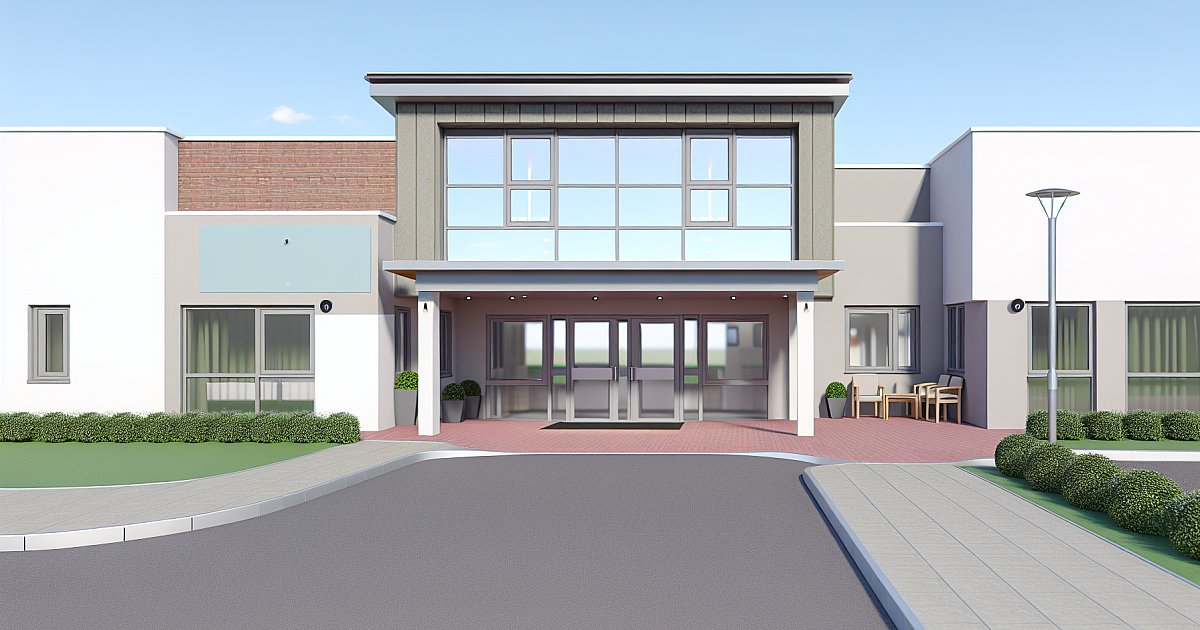
A federal complaint inspection completed August 18, 2025 documented the facility's handling of a concern involving Resident 4, who had not received PRN pain medication in a timely manner. PRN medications are given as needed, typically when a resident requests them for pain. The inspection found minimal harm or potential for actual harm, affecting a small number of residents.
The facility's nursing home administrator and assistant director of nursing told the inspector that a grievance had been started over the concern. But when the assistant director of nursing, identified in the report as ADON-C, described the investigation, the account was thin. ADON-C had spoken with LPN-D and together they had narrowed the date of the incident down to either July 8 or July 20.
Two possible dates. More than a week apart.
On July 8, Resident 4 received Tylenol. On July 20, the resident received PRN morphine at 8:30 in the morning, and the record showed it was effective. Those were the facts available. Which date represented the delayed administration, and what the delay actually looked like on either day, was not established.
ADON-C then gave the inspector a phone number for another nurse who had worked alongside LPN-D on both dates and had administered the pain medication to Resident 4. The inspector left a message. The nurse never called back.
The investigation, such as it was, stalled there.
ADON-C acknowledged that staff should have filled out a grievance form and said staff education would be provided. That was the corrective plan: education. No completed grievance form existed. No documented timeline of what Resident 4 experienced. No account from the nurse who gave the medication.
What ADON-C did offer, in a follow-up interview at 4:01 in the afternoon, was a description of what the process was supposed to look like. When a resident requests PRN pain medication, ADON-C said, the nurse should finish what they are doing and then bring the medication to the resident.
That framing is worth sitting with. Finish what you're doing, then bring the medication. For a resident in pain, waiting while a nurse completes another task is the expected interval. The concern documented in this inspection was that even that standard, whatever it amounts to in practice, was not met.
The inspection report does not say how long Resident 4 waited. It does not describe what Resident 4 was experiencing, what the pain was from, or whether anyone checked on the resident during the delay. The morphine on July 20 was documented as effective once given. What came before that administration is not in the record, at least not in any form the investigation recovered.
Edenbrook of Green Bay is a skilled nursing facility. Residents who require PRN morphine are, by definition, managing serious pain that cannot be controlled on a fixed schedule alone. The medication exists precisely because pain arrives unpredictably and needs to be addressed when it does.
The grievance process is the mechanism facilities use to document, investigate, and respond to resident concerns. Here, it was started but not completed. The form that should have been filled out was not. The nurse at the center of the question did not respond to the inspector's call. The date of the incident remained uncertain between two possibilities.
ADON-C's answer to all of this was staff education.
Resident 4's experience on whichever day the delay occurred — July 8 or July 20 — is not described in the inspection report in any further detail. The record shows a resident who needed pain medication and did not receive it promptly, a facility that opened a grievance and did not finish it, and an investigation that ended with an unanswered phone message.
Full Inspection Report
The details above represent a summary of key findings. View the complete inspection report for Edenbrook of Green Bay from 2025-08-18 including all violations, facility responses, and corrective action plans.
Additional Resources
Data source: This article is based on inspection data downloaded directly from the Centers for Medicare & Medicaid Services (CMS) via Medicare.gov. CMS releases inspection reports in bulk; we publish the findings as documented by state surveyors in the official Form CMS-2567 Statement of Deficiencies.
Plan of correction: The CMS report we receive does not include the facility's plan of correction. Facilities submit plans of correction separately to state survey agencies and those responses may not be reflected in CMS data at the time of publication. The absence of a plan of correction in our data does not mean one was not filed. Readers who want information about corrective steps taken are encouraged to contact the facility directly or their state survey agency.
Corrections may have occurred: Inspection reports reflect conditions observed on the date of the survey. Facilities may have implemented corrections, staffing changes, additional training, or other remediation since the report was issued. We report what CMS provides and encourage readers to seek current information from the facility.
Editorial process: Inspection findings are extracted from CMS source documents and synthesized using AI, reviewed for factual accuracy against the original report by our editorial team.
Corrections: We strive for accuracy in everything we publish. If you believe any fact in this article is incorrect, please contact us with details, and we will review and correct it promptly.
Professional review: All content reviewed by Christopher F. Nesbitt, Sr., NH EMT & BU-trained Paralegal.
Last verified: October 26, 2026 · Our methodology
Edenbrook of Green Bay in Green Bay, WI was cited for violations during a health inspection on August 18, 2025.
PRN medications are given as needed, typically when a resident requests them for pain.
Health inspections identify deficiencies that facilities must correct. Violations range from minor documentation issues to serious safety concerns. Review the full report below for specific details and facility response.