South Shore Rehab: Infection Control Failures - NY
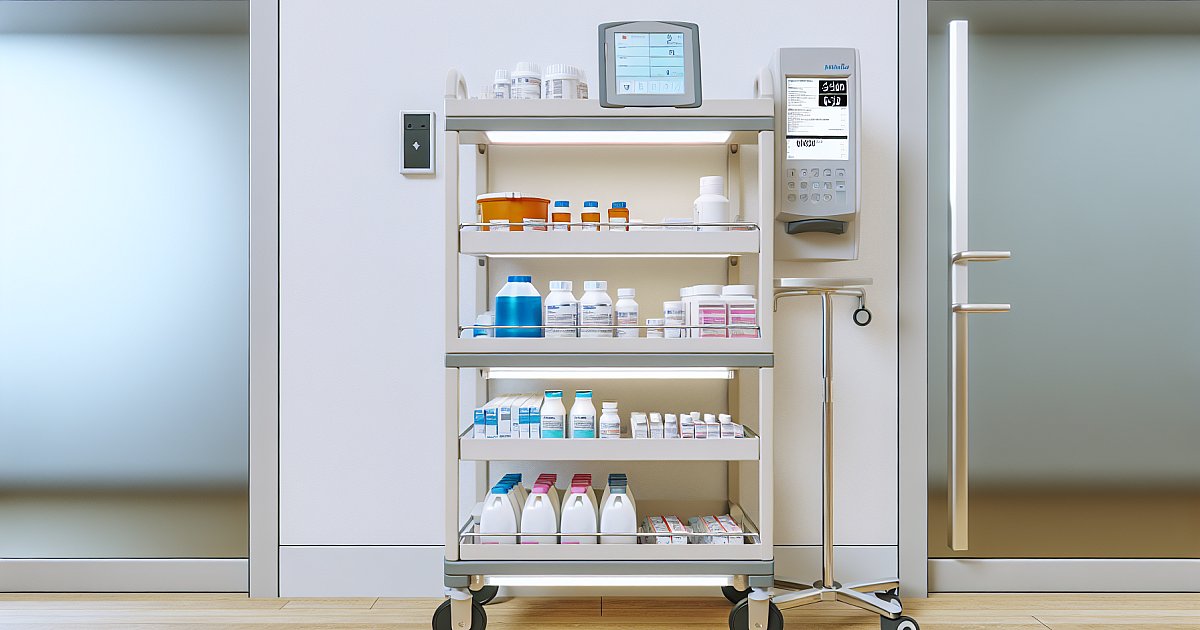
The citation, recorded August 15, 2025, fell under regulatory tag F0880, which covers a facility's obligation to provide and actually implement an infection prevention and control program. The word "implement" carries weight here. Having a program written down in a binder somewhere and running that program in the rooms where residents eat, sleep, and recover are two different things. Inspectors found the gap between those two things wide enough to cite.
The violation was classified as an isolated deficiency, scope and severity level D, meaning inspectors documented no actual harm to any resident. But level D is not a clean bill of health. The standard requires that there be potential for more than minimal harm, and inspectors determined that threshold was met.
South Shore is not a small operation tucked away from scrutiny. It sits in Freeport, a dense Nassau County community on Long Island's South Shore, drawing residents who need skilled nursing care and short-term rehabilitation after hospitalizations. The people in its beds are, by definition, medically vulnerable. Infection is among the leading causes of deterioration and death in nursing home populations. A lapse in infection control protocol in that setting is not an administrative paperwork problem. It is a direct threat to the people in the building.
The inspection was triggered by a complaint, not a routine survey cycle. That distinction matters. Routine inspections are scheduled and anticipated. Complaint inspections happen because someone, a resident, a family member, a staff member, picked up the phone or filed a report. Something prompted that call.
The inspection report does not identify who filed the complaint or what specifically they alleged. It does not name the residents who were potentially exposed to harm, or describe the specific infection control breakdowns inspectors observed. What it records is the outcome: a citation, one of ten issued that day, with a correction deadline nearly three months out.
That correction deadline is its own data point. The facility reported to federal regulators that it would not fully correct the infection control deficiency until November 4, 2025, nearly twelve weeks after inspectors walked out the door. Twelve weeks is a long time in a building full of people with compromised immune systems, healing surgical wounds, and respiratory conditions that make them easy targets for the kinds of infections that spread when protocols slip.
The other nine deficiencies cited during the same inspection are not detailed in this report. Ten citations in a single inspection is not a minor showing. It suggests inspectors found a pattern of problems across multiple areas of care, not a single isolated lapse that could be attributed to one bad afternoon.
South Shore Rehabilitation and Nursing Center has, under the terms of the correction agreement, told regulators the infection control problem is now fixed. That date, November 4, has passed. Whether the fix holds, whether the underlying conditions that produced the citation have genuinely changed, is a question that only the next inspection will answer.
For the residents who were in the building between August 15 and whenever the correction actually took effect, the answer is already fixed in the past. They were there. The potential for harm the inspectors identified was real and present, even if no documented injury resulted. In infection control, the distance between "potential for harm" and "actual harm" is often just time and luck.
Full Inspection Report
The details above represent a summary of key findings. View the complete inspection report for South Shore Rehabilitation and Nursing Center from 2025-08-15 including all violations, facility responses, and corrective action plans.
Additional Resources
Data source: This article is based on inspection data downloaded directly from the Centers for Medicare & Medicaid Services (CMS) via Medicare.gov. CMS releases inspection reports in bulk; we publish the findings as documented by state surveyors in the official Form CMS-2567 Statement of Deficiencies.
Plan of correction: The CMS report we receive does not include the facility's plan of correction. Facilities submit plans of correction separately to state survey agencies and those responses may not be reflected in CMS data at the time of publication. The absence of a plan of correction in our data does not mean one was not filed. Readers who want information about corrective steps taken are encouraged to contact the facility directly or their state survey agency.
Corrections may have occurred: Inspection reports reflect conditions observed on the date of the survey. Facilities may have implemented corrections, staffing changes, additional training, or other remediation since the report was issued. We report what CMS provides and encourage readers to seek current information from the facility.
Editorial process: Inspection findings are extracted from CMS source documents and synthesized using AI, reviewed for factual accuracy against the original report by our editorial team.
Corrections: We strive for accuracy in everything we publish. If you believe any fact in this article is incorrect, please contact us with details, and we will review and correct it promptly.
Professional review: All content reviewed by Christopher F. Nesbitt, Sr., NH EMT & BU-trained Paralegal.
Last verified: October 18, 2026 · Our methodology
South Shore Rehabilitation And Nursing Center in Freeport, NY was cited for violations during a health inspection on August 15, 2025.
The word "implement" carries weight here.
Health inspections identify deficiencies that facilities must correct. Violations range from minor documentation issues to serious safety concerns. Review the full report below for specific details and facility response.