Pleasant Hill Post Acute: Call System Failures - CA
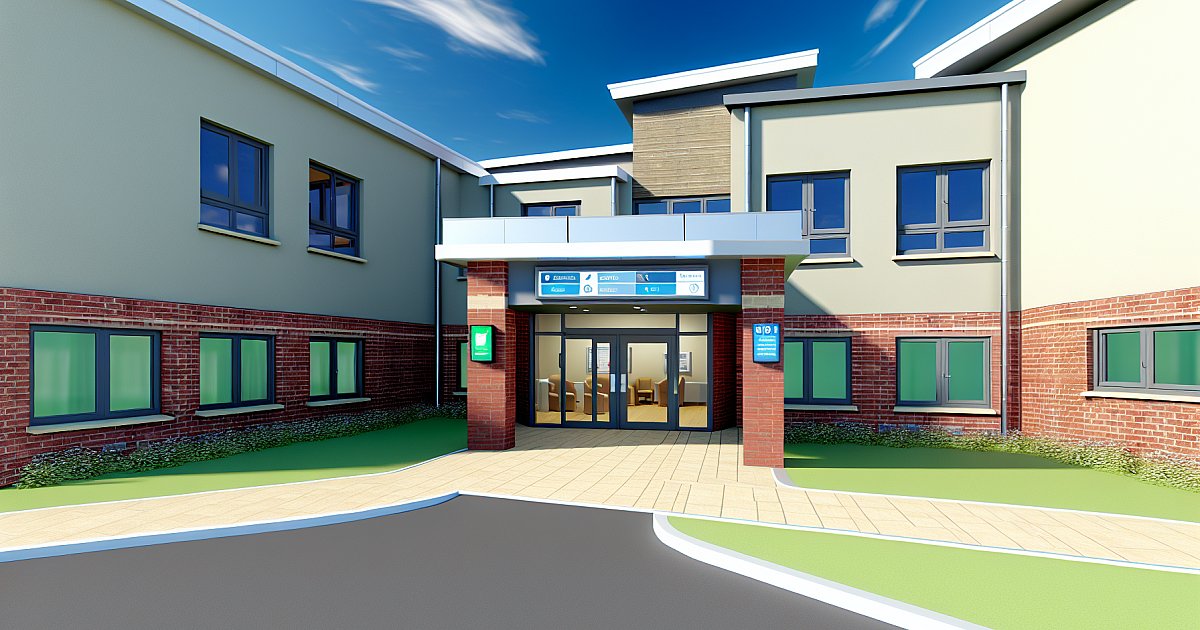
At Pleasant Hill Post Acute, federal health inspectors found that system wasn't reliably working.
During a complaint inspection on August 15, 2025, inspectors cited the facility for failing to maintain working call systems in resident bathrooms and bathing areas. The deficiency fell under the environmental category, and inspectors classified it at scope and severity level D, meaning the problem was isolated and no actual harm was documented. But the potential for more than minimal harm was there. It was in every bathroom where a resident reached for a call button that didn't work.
The distinction between "no actual harm documented" and "no actual harm" is worth sitting with. Inspectors document what they can verify. They cannot document the resident who steadied herself against the wall and made it back to her room without telling anyone. They cannot document the close call that nobody reported because the resident was embarrassed, or confused, or simply relieved.
What inspectors can document is whether the equipment works. At Pleasant Hill Post Acute on August 15, it did not meet the standard.
This was one of 14 deficiencies cited during the same inspection. The call system failure was not the only thing inspectors found.
Nursing home bathrooms occupy a specific and serious place in the landscape of elder care risk. Residents who need post-acute rehabilitation are often there precisely because their bodies have already failed them once, a fall, a surgery, a stroke, a fracture that didn't heal cleanly. They are asked to perform the most physically vulnerable tasks, bathing, toileting, transferring on and off fixtures, in a room that is often wet, often small, and often entered alone. The call system is the acknowledgment built into the architecture that something can go wrong in there and the person inside needs a way to ask for help.
When that system is broken, the room becomes a different kind of place.
Pleasant Hill Post Acute reported a correction date of September 23, 2025, roughly five weeks after inspectors walked through. Whether the fix was a replaced pull cord, a repaired button, a rewired panel, or something else entirely, the inspection record does not say. It says the facility identified a date by which it would be corrected, and that is the extent of what is known.
The inspection was triggered by a complaint, not a routine survey cycle. That matters because complaint inspections are initiated when someone, a resident, a family member, a staff member, or an outside party, contacts regulators with a specific concern. The underlying complaint that prompted the August 15 visit is not detailed in the deficiency record. What the visit produced was 14 cited deficiencies across the facility, of which the bathroom call system failure was one.
Fourteen deficiencies in a single inspection is not a minor footnote. It is a picture of a facility where inspectors, on one day, found problems in enough areas to cite them more than a dozen times. The call system deficiency is the one that is easiest to explain to someone who has never read a CMS inspection report, because the concept requires no translation. There is a button in the bathroom. The button is supposed to work. It did not work.
For residents who use those bathrooms, the timeline is straightforward and uncomfortable. From whenever the call system stopped functioning to August 15, when inspectors arrived and noted the deficiency, residents were in those rooms without a reliable way to call for help. From August 15 to September 23, when the facility reported the correction, that condition continued. Thirty-nine days passed between the inspection and the reported fix.
None of that is unusual by the standards of how nursing home enforcement works. Facilities are given time to correct deficiencies. The correction date Pleasant Hill Post Acute reported is within normal parameters. The process functioned as designed.
The question that the process is not designed to answer is what happened in those bathrooms during the weeks the call system wasn't working. Whether anyone fell. Whether anyone called out and waited. Whether anyone decided not to use the bathroom alone and asked for help instead, or decided not to ask and managed, or decided not to ask and didn't.
The inspection record is silent on all of that. It notes the deficiency, notes the scope, notes the severity level, notes the correction date, and moves on to the next item on the list of fourteen.
Full Inspection Report
The details above represent a summary of key findings. View the complete inspection report for Pleasant Hill Post Acute from 2025-08-15 including all violations, facility responses, and corrective action plans.
Additional Resources
Data source: This article is based on inspection data downloaded directly from the Centers for Medicare & Medicaid Services (CMS) via Medicare.gov. CMS releases inspection reports in bulk; we publish the findings as documented by state surveyors in the official Form CMS-2567 Statement of Deficiencies.
Plan of correction: The CMS report we receive does not include the facility's plan of correction. Facilities submit plans of correction separately to state survey agencies and those responses may not be reflected in CMS data at the time of publication. The absence of a plan of correction in our data does not mean one was not filed. Readers who want information about corrective steps taken are encouraged to contact the facility directly or their state survey agency.
Corrections may have occurred: Inspection reports reflect conditions observed on the date of the survey. Facilities may have implemented corrections, staffing changes, additional training, or other remediation since the report was issued. We report what CMS provides and encourage readers to seek current information from the facility.
Editorial process: Inspection findings are extracted from CMS source documents and synthesized using AI, reviewed for factual accuracy against the original report by our editorial team.
Corrections: We strive for accuracy in everything we publish. If you believe any fact in this article is incorrect, please contact us with details, and we will review and correct it promptly.
Professional review: All content reviewed by Christopher F. Nesbitt, Sr., NH EMT & BU-trained Paralegal.
Last verified: October 18, 2026 · Our methodology
PLEASANT HILL POST ACUTE in PLEASANT HILL, CA was cited for violations during a health inspection on August 15, 2025.
At Pleasant Hill Post Acute, federal health inspectors found that system wasn't reliably working.
Health inspections identify deficiencies that facilities must correct. Violations range from minor documentation issues to serious safety concerns. Review the full report below for specific details and facility response.