Mountain Laurel Healthcare: Aide Training Failures - PA
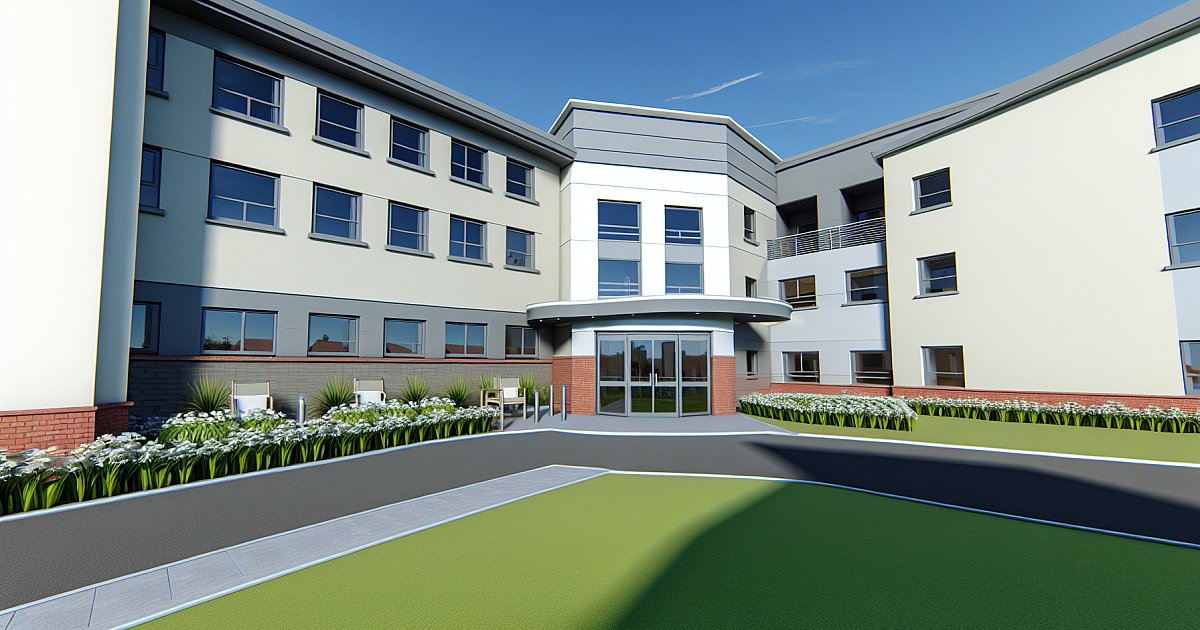
Federal health inspectors documented that failure on August 14, 2025, citing Mountain Laurel for not ensuring its nurse aides had the skills they needed to care for residents, and specifically for failing to provide education in dementia care and abuse prevention. It was one of 14 deficiencies inspectors found during the visit.
The deficiency was classified as a pattern, meaning inspectors did not find an isolated lapse. They found it happening across the facility. No actual harm was documented, but inspectors determined there was potential for more than minimal harm to residents.
That distinction matters. In a nursing home, the gap between "no actual harm documented" and harm that goes undocumented, unreported, or unrecognized is not always as wide as it sounds.
Dementia care is among the most demanding work a nurse aide does. Residents living with Alzheimer's disease or other forms of dementia often cannot clearly communicate pain, fear, confusion, or distress. They may resist care, become agitated during routine tasks like bathing or repositioning, or behave in ways that untrained staff can misread or mishandle. An aide who does not understand why a resident is striking out during a diaper change, or why someone is screaming at a caregiver they no longer recognize, is not equipped to respond safely, for themselves or for the person in their care.
Abuse prevention training is not a formality. It is the mechanism through which a facility teaches its frontline workers what abuse looks like, what neglect looks like, what they are required to do when they witness it, and what happens if they don't report it. Without that training, aides may not recognize when a colleague crosses a line. They may not understand that their own actions, even without intent to harm, can constitute abuse. They may not know they have an obligation to report, and a protection if they do.
Mountain Laurel is a skilled nursing facility in Clearfield, a small city in central Pennsylvania. The inspection that produced these findings was a complaint inspection, meaning someone had contacted regulators with concerns about the facility before inspectors arrived on August 14.
The 14 deficiencies cited during that inspection covered the full range of what federal surveyors examine, from care planning and resident rights to infection control and physical environment. The training failure was one piece of a broader picture inspectors documented that day.
Nurse aides are the people residents see most. They provide the hands-on care, the bathing and dressing and feeding and repositioning, that defines daily life in a nursing home. Registered nurses and licensed practical nurses supervise, assess, and administer medications, but it is the aides who are present in the room, hour after hour, with residents who may be frightened, disoriented, or in pain. The quality of that relationship, and the safety of it, depends on what those aides have been taught.
Federal rules governing skilled nursing facilities require that aides receive specific training in dementia care and abuse prevention, not as optional professional development, but as a baseline condition of their working with residents. The requirement exists because the population in these facilities is uniquely at risk. Residents with dementia cannot always tell someone what happened to them. They may not remember. They may not be believed. The training requirement is one of the few structural protections built into the system for people who cannot protect themselves.
When a facility is cited for failing to meet that requirement in a pattern across its workforce, it means the protection was not in place for the residents who needed it most.
Mountain Laurel reported to regulators that it had corrected the deficiency as of September 25, 2025, six weeks after the inspection. What that correction involved, whether it meant scheduling training sessions, updating records, hiring a trainer, or something else, is not detailed in the inspection record. The report documents the problem. It does not describe the solution.
The inspection that uncovered these failures was triggered by a complaint. Someone saw something at Mountain Laurel, or experienced something, or heard something from a resident or family member, and decided to contact regulators. The inspection record does not identify who filed the complaint or what it alleged. Complaint inspections can be initiated by residents, family members, staff, ombudsmen, or members of the public. They result in a full survey of the facility, not just an investigation of the specific complaint.
That full survey found 14 problems.
A pattern-level deficiency in nurse aide training is not a paperwork error. It is not a documentation gap where the training happened but wasn't recorded correctly. The regulatory tag cited here, F0947, covers the actual provision of skills and education to aides, the substance of what they know and have been taught, not just whether a form was signed. Inspectors found that Mountain Laurel was not ensuring its aides had what they needed to do their jobs safely.
For residents with dementia at Mountain Laurel, that meant the people providing their most intimate daily care had not been trained, as a pattern, in how to care for them. For all residents at the facility, it meant the people most likely to witness or experience abuse had not been systematically educated in what abuse is, what to do about it, or why it matters that they act.
Pennsylvania's nursing home population has grown older and more medically complex over the past decade. Clearfield County is a rural area with limited alternatives for families seeking skilled nursing care. When a facility in a community like this one has systemic failures in its frontline workforce training, the residents affected often have nowhere else to go, and may not have family members present often enough to notice when something is wrong.
The correction date Mountain Laurel submitted to regulators was September 25, 2025. Whether the training delivered after that date was adequate, whether it reached all the aides who needed it, whether it changed anything about how care is provided on the floor, none of that is reflected in the inspection record. Regulators will determine compliance at a future inspection.
What the record shows is that on August 14, 2025, when federal inspectors walked into Mountain Laurel Healthcare and Rehabilitation Center, the nurse aides caring for residents with dementia had not been given the education in dementia care and abuse prevention that the facility was responsible for providing. That was the finding. It was not isolated. It was a pattern.
The residents living at Mountain Laurel that day did not choose to be there without trained caregivers. They did not know what the inspection would find. Some of them, because of dementia, did not know where they were at all.
Full Inspection Report
The details above represent a summary of key findings. View the complete inspection report for Mountain Laurel Healthcare and Rehabilitation Ctr from 2025-08-14 including all violations, facility responses, and corrective action plans.
Additional Resources
Data source: This article is based on inspection data downloaded directly from the Centers for Medicare & Medicaid Services (CMS) via Medicare.gov. CMS releases inspection reports in bulk; we publish the findings as documented by state surveyors in the official Form CMS-2567 Statement of Deficiencies.
Plan of correction: The CMS report we receive does not include the facility's plan of correction. Facilities submit plans of correction separately to state survey agencies and those responses may not be reflected in CMS data at the time of publication. The absence of a plan of correction in our data does not mean one was not filed. Readers who want information about corrective steps taken are encouraged to contact the facility directly or their state survey agency.
Corrections may have occurred: Inspection reports reflect conditions observed on the date of the survey. Facilities may have implemented corrections, staffing changes, additional training, or other remediation since the report was issued. We report what CMS provides and encourage readers to seek current information from the facility.
Editorial process: Inspection findings are extracted from CMS source documents and synthesized using AI, reviewed for factual accuracy against the original report by our editorial team.
Corrections: We strive for accuracy in everything we publish. If you believe any fact in this article is incorrect, please contact us with details, and we will review and correct it promptly.
Professional review: All content reviewed by Christopher F. Nesbitt, Sr., NH EMT & BU-trained Paralegal.
Last verified: October 20, 2026 · Our methodology
MOUNTAIN LAUREL HEALTHCARE AND REHABILITATION CTR in CLEARFIELD, PA was cited for violations during a health inspection on August 14, 2025.
It was one of 14 deficiencies inspectors found during the visit.
Health inspections identify deficiencies that facilities must correct. Violations range from minor documentation issues to serious safety concerns. Review the full report below for specific details and facility response.