Award Care at Beneva: Nurses Falsified Wound Records - FL
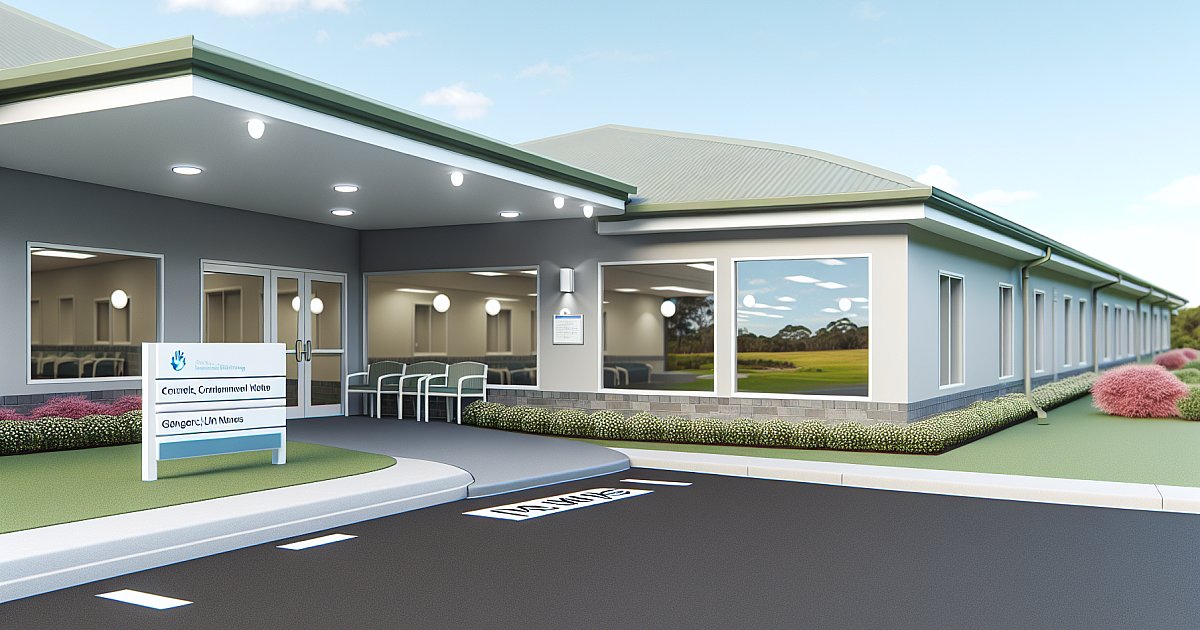
Federal inspectors cited Award Care at Beneva, located at 741 South Beneva Road, following a complaint inspection completed August 13, 2025. The deficiency was tagged at a level of actual harm.
The resident at the center of the investigation, identified in inspection records as Resident 99, had been living at the facility since July 26, 2024. She was always incontinent of bladder or bowel, had intact cognition, and carried diagnoses that made any wound on her body especially dangerous: peripheral vascular disease, which restricts blood flow to the skin; Raynaud's disease; CREST syndrome, an autoimmune condition that causes the skin and connective tissues to harden and tighten; protein calorie malnutrition; and a left below-knee amputation. Her body's ability to heal a wound was compromised from multiple directions at once.
The facility already knew this. A wound care physician had identified a deep tissue injury to her sacral area back in September 2024. That wound healed. Then, sometime between December 17, 2024, and February 21, 2025, it came back.
Nobody caught it coming back. That is the core of what inspectors found.
When Resident 99 returned to the facility from an acute care hospital stay in late December 2024, there was no admission skin assessment. The hospital's discharge form documented no wound over her sacrum. The facility's own policy required weekly skin assessments after that. None were done, and none were recorded as missing. Instead, they were recorded as completed.
Licensed Practical Nurse Staff B signed the Treatment Administration Record stating she had completed weekly skin sweeps on January 6, January 12, January 19, and January 28, and again on February 2 and February 16. LPN Staff A signed off on February 9 and February 23.
On February 21, 2025, a nurse finally reported an open area over Resident 99's sacrum. The Director of Clinical Services assessed it and determined the wound was unstageable, meaning the tissue destruction had progressed so deep that the true depth could not be measured through the wound bed.
By then, two certified nursing assistants who had cared for Resident 99 told investigators they had noticed redness over the area as far back as February 15. By February 17, they said, the area had opened a little. The investigation concluded that tissue injury had likely been present under the skin before it became visible, the kind of damage that forms silently and announces itself only when it breaks through.
The facility's own investigation reached a direct conclusion: "The two nurses involved did not perform the weekly skin assessment and is dereliction of duty. Furthermore, they documented on the Treatment Administration Record that the skin assessments were done but they did not do them. There is no record of skin assessments."
When inspectors interviewed LPN Staff A on August 12, 2025, she confirmed she had signed the Treatment Administration Record on February 2 and February 16 verifying that she had completed the weekly skin evaluations. She had not done them. Asked why, she said she could not remember. She said she must have been busy.
That answer, offered more than six months after the fact, is the only explanation in the record.
The falsification was not a single lapse. Staff B's name appears on the Treatment Administration Record across six separate dates in January and February. Staff A's name appears on two more. Together, they created a paper record of consistent, attentive wound monitoring during the exact weeks when Resident 99's sacral tissue was breaking down beneath the surface. Anyone reviewing that record, a charge nurse, a physician, a family member, a surveyor, would have seen a resident being watched carefully. The wound said otherwise.
Pressure ulcers on the sacrum are among the most serious wounds that develop in nursing home residents. The sacrum is the bony plate at the base of the spine, a point where body weight concentrates when a person is lying on their back or sitting. For a resident who is always incontinent, the skin over the sacrum is exposed to moisture and friction constantly. For a resident with peripheral vascular disease, the blood supply that skin needs to stay intact and to heal when damaged is already reduced. For a resident with CREST syndrome, the connective tissue itself is compromised. Resident 99 had all three conditions working against her, plus malnutrition, which further slows tissue repair.
The wound care physician who treated her sacral deep tissue injury in September 2024 had already demonstrated that this was a resident whose skin required close attention. That history was in her record. The December quarterly assessment, completed after she returned from the hospital, noted she was at risk of developing pressure ulcers. The same assessment noted no unhealed pressure ulcer. That was accurate at the time. But the assessment also depended on weekly skin checks to remain accurate as weeks passed. Those checks were not happening.
The inspection record does not describe what treatment Resident 99 required once the unstageable wound was finally identified, beyond a wound care order to cleanse with normal saline, apply Santyl, a debridement ointment, and cover with a dry dressing. It does not describe how long she required that treatment, whether the wound worsened further, or what her condition was at the time of the August 2025 inspection. The record identifies the harm as actual, not potential.
The facility's own investigation verified the allegation of neglect.
What the record does not contain is any account of what Resident 99 experienced during those weeks, whether she felt pain, whether she asked anyone about the soreness, whether anyone looked. She had intact cognition. A Brief Interview for Mental Status score of 15, the highest possible, was documented in December. She understood what was happening to her body. The inspection report does not record whether anyone asked her.
Full Inspection Report
The details above represent a summary of key findings. View the complete inspection report for Award Care At Beneva from 2025-08-13 including all violations, facility responses, and corrective action plans.
Additional Resources
Data source: This article is based on inspection data downloaded directly from the Centers for Medicare & Medicaid Services (CMS) via Medicare.gov. CMS releases inspection reports in bulk; we publish the findings as documented by state surveyors in the official Form CMS-2567 Statement of Deficiencies.
Plan of correction: The CMS report we receive does not include the facility's plan of correction. Facilities submit plans of correction separately to state survey agencies and those responses may not be reflected in CMS data at the time of publication. The absence of a plan of correction in our data does not mean one was not filed. Readers who want information about corrective steps taken are encouraged to contact the facility directly or their state survey agency.
Corrections may have occurred: Inspection reports reflect conditions observed on the date of the survey. Facilities may have implemented corrections, staffing changes, additional training, or other remediation since the report was issued. We report what CMS provides and encourage readers to seek current information from the facility.
Editorial process: Inspection findings are extracted from CMS source documents and synthesized using AI, reviewed for factual accuracy against the original report by our editorial team.
Corrections: We strive for accuracy in everything we publish. If you believe any fact in this article is incorrect, please contact us with details, and we will review and correct it promptly.
Professional review: All content reviewed by Christopher F. Nesbitt, Sr., NH EMT & BU-trained Paralegal.
Last verified: October 27, 2026 · Our methodology
AWARD CARE AT BENEVA in SARASOTA, FL was cited for violations during a health inspection on August 13, 2025.
Federal inspectors cited Award Care at Beneva, located at 741 South Beneva Road, following a complaint inspection completed August 13, 2025.
Health inspections identify deficiencies that facilities must correct. Violations range from minor documentation issues to serious safety concerns. Review the full report below for specific details and facility response.