Cedar Crest Nursing: Resident Rights Failures - CA
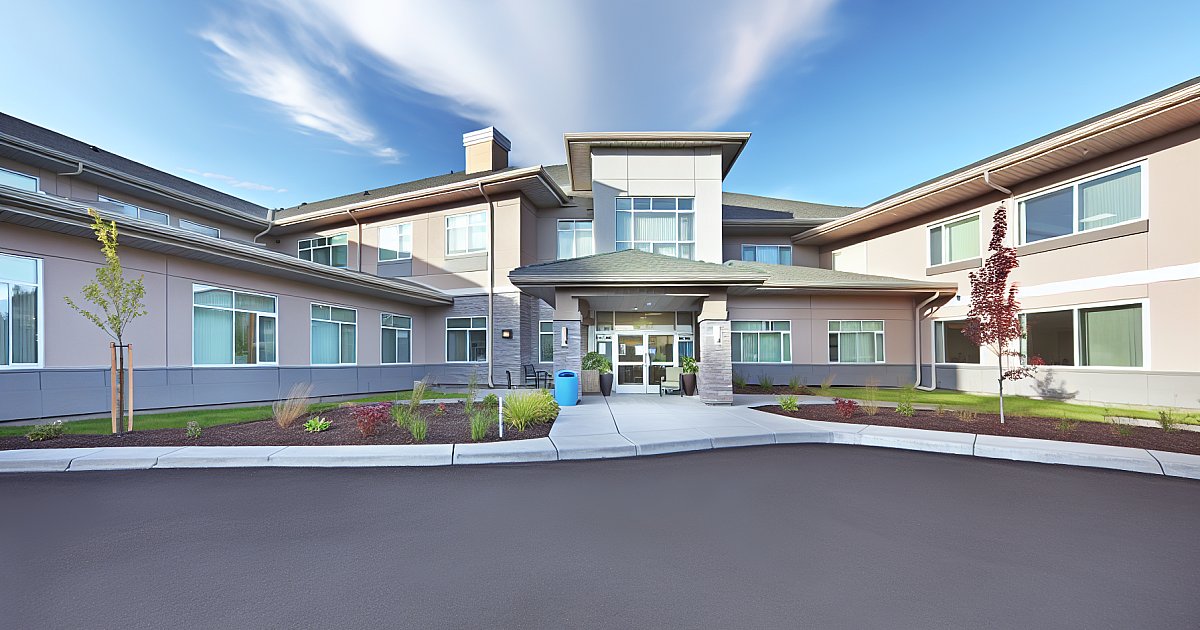
One of those citations involved something inspectors classified under resident rights: the facility had failed to reasonably accommodate the needs and preferences of its residents. The violation was categorized as isolated, meaning inspectors did not find it playing out across the resident population. But they found enough to document it, and they found enough to determine that the potential for more than minimal harm existed, even if no actual harm had been recorded at the time of the inspection.
That distinction matters. A deficiency can be logged without a resident visibly suffering from it. The inspection system is built, in part, on the idea that catching a failure before it causes documented harm is worth something. Whether that premise holds depends entirely on what a facility does next.
Cedar Crest reported correcting the deficiency by August 29, eighteen days after inspectors first flagged it.
The accommodation violation was not the only thing inspectors found. Fifteen deficiencies across a single complaint inspection is a significant number. The August 11 visit produced citations that spanned multiple areas of care, and the resident rights citation was one piece of a larger picture inspectors documented that day.
Nursing homes are required to treat residents as individuals with preferences, not as interchangeable patients on a schedule. What a person wants to eat, when they want the lights off, whether they prefer a shower to a bath, whether they want their door open or closed — these are not small things when a facility is where you live. For residents who cannot advocate loudly for themselves, the gap between what they want and what they receive can go unaddressed for long stretches of time.
The inspection report does not describe which resident or residents were affected, what accommodation was denied, or how long the situation had existed before a complaint prompted inspectors to visit. What the report confirms is that inspectors found a failure, rated it as carrying potential for more than minimal harm, and moved on to document fourteen other problems in the same building on the same day.
Complaint inspections are triggered differently than standard annual surveys. Someone called or wrote with a concern serious enough to send inspectors to Cedar Crest. The resulting visit produced fifteen deficiencies, which means whatever initially prompted the complaint was not the only thing inspectors found once they were inside.
Cedar Crest Nursing and Rehabilitation Center sits in Sunnyvale, in Santa Clara County, a part of California where the cost of long-term care ranks among the highest in the country. Families placing a relative in a skilled nursing facility in this region are often paying significant sums, or relying on Medi-Cal coverage that the state negotiates on their behalf, with the expectation that basic rights and basic care will be honored.
The resident rights deficiency cited here falls under a federal framework that exists specifically because nursing home residents are a vulnerable population. Many cannot leave. Many depend entirely on staff for basic daily functions. The accommodation requirement is not a courtesy standard. It is a legal one, and it was not met.
Eighteen days passed between the citation and the facility's reported correction date. The inspection report does not describe what changed, which resident's situation was addressed, or whether the underlying conditions that produced fourteen other deficiencies on the same day have been resolved.
What the record shows is a facility that, on August 11, 2025, was not meeting its obligations to the people living there, in at least fifteen documented ways. One of those ways involved failing to accommodate the needs and preferences of a resident who had a right to expect otherwise.
The correction date has come and gone. Whether the correction held is a different question.
Full Inspection Report
The details above represent a summary of key findings. View the complete inspection report for Cedar Crest Nursing and Rehabilitation Center from 2025-08-11 including all violations, facility responses, and corrective action plans.
Additional Resources
Data source: This article is based on inspection data downloaded directly from the Centers for Medicare & Medicaid Services (CMS) via Medicare.gov. CMS releases inspection reports in bulk; we publish the findings as documented by state surveyors in the official Form CMS-2567 Statement of Deficiencies.
Plan of correction: The CMS report we receive does not include the facility's plan of correction. Facilities submit plans of correction separately to state survey agencies and those responses may not be reflected in CMS data at the time of publication. The absence of a plan of correction in our data does not mean one was not filed. Readers who want information about corrective steps taken are encouraged to contact the facility directly or their state survey agency.
Corrections may have occurred: Inspection reports reflect conditions observed on the date of the survey. Facilities may have implemented corrections, staffing changes, additional training, or other remediation since the report was issued. We report what CMS provides and encourage readers to seek current information from the facility.
Editorial process: Inspection findings are extracted from CMS source documents and synthesized using AI, reviewed for factual accuracy against the original report by our editorial team.
Corrections: We strive for accuracy in everything we publish. If you believe any fact in this article is incorrect, please contact us with details, and we will review and correct it promptly.
Professional review: All content reviewed by Christopher F. Nesbitt, Sr., NH EMT & BU-trained Paralegal.
Last verified: October 26, 2026 · Our methodology
CEDAR CREST NURSING AND REHABILITATION CENTER in SUNNYVALE, CA was cited for violations during a health inspection on August 11, 2025.
The violation was categorized as isolated, meaning inspectors did not find it playing out across the resident population.
Health inspections identify deficiencies that facilities must correct. Violations range from minor documentation issues to serious safety concerns. Review the full report below for specific details and facility response.