Downey Community Health Center: Abuse Reporting Failure - CA
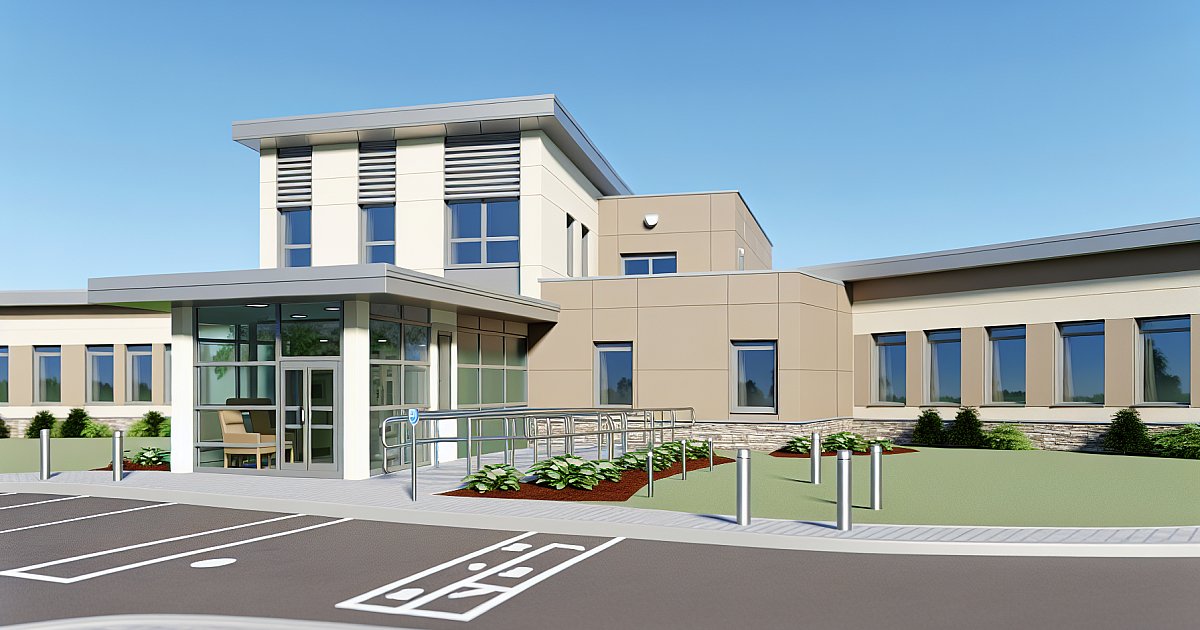
The incident involved two residents identified in the inspection report as Resident 44 and Resident 42. According to a progress note dated March 10, 2025, Resident 44 was moved to another room that day because of incompatibility with her roommate. The social worker who wrote that note, identified in the report as SW 1, told inspectors the note did not reflect any allegation that a chair had been thrown. When the state surveyor told SW 1 directly that Resident 44 had alleged exactly that, it was apparently the first time SW 1 had heard it framed that way.
The inspection was conducted on April 10, 2025. That means the alleged incident, which occurred sometime before March 10, went without a mandated abuse report to the state for at least a month.
The facility's own Program Director acknowledged it.
During an interview on April 8, 2025, the Program Director told inspectors she had been made aware of the alleged altercation between Resident 44 and Resident 42 on April 8, 2025, on an unspecified date for the original incident. She said she was responsible for reporting the allegation to the state agency. She said it had not yet been reported because, she explained, they had 24 hours to do it.
That interview took place at 4:04 p.m. The SOC-341, the mandated form California requires when someone suspects elder or dependent adult abuse, was faxed to the state district office at 4:52 p.m. the same day, forty-eight minutes after the Program Director finished telling inspectors she was still within her reporting window.
The SOC-341 itself, reviewed by inspectors, stated that social services staff were first made aware of Resident 44's abuse allegation on April 8, 2025, around 10 a.m. That means the Program Director had known for roughly six hours before she filed the form, and filed it only after sitting down with inspectors.
The question the inspection record leaves open is what happened between March 10 and April 8. Resident 44 had been moved out of her room. A progress note had been written. Someone knew the two residents were incompatible. But the inspection report contains no documentation of any internal investigation, no record of staff interviewing Resident 44 about what she said happened, and no explanation for why the allegation of a thrown chair was absent from the social worker's notes entirely.
SW 1 told inspectors the progress note indicated only that Resident 44 was moved due to incompatibility. Not that a chair had been thrown. Not that Resident 44 had alleged she was in danger. The allegation, according to the inspection record, did not appear in writing anywhere at the facility until inspectors raised it themselves.
The Director of Nursing, interviewed on April 10 at 11:57 a.m., did not dispute what had happened. She told inspectors that timely reporting of alleged abuse was important for the safety of residents, and that failing to report in time could negatively affect resident safety. She offered no explanation for why the facility had not reported.
The administrator, interviewed two hours later, said the facility's own policy required reporting resident-to-resident altercations to the state within two hours.
Two hours. The facility's internal standard was two hours. The actual gap between the alleged incident and the abuse report was, at minimum, four weeks, and likely longer given that the original incident date was never specified in the report.
The facility's written policy, a document titled Prevention, Reporting and Correction of Inappropriate Conduct Including Abuse, Neglect and Mistreatment of Residents and Investigations of Injuries of Unknown Origin, last reviewed in 2018, states that all allegations of abuse are to be reported in accordance with state and federal regulations. The policy existed. The training presumably existed. The administrator knew the two-hour standard by name. None of it produced a report until a surveyor walked through the door.
What the inspection record does not contain is any account of what Resident 44 experienced during those weeks. Whether she was afraid. Whether she had further contact with Resident 42. Whether anyone sat down with her after March 10 to ask what had happened in that room. The progress note placed her in a new room and closed the subject.
A chair thrown at a person in a nursing home is not a minor event. Residents in long-term care facilities are, by definition, people who cannot simply leave. They cannot choose their neighbors. They cannot move themselves. When something frightening happens in the room where they sleep, they depend entirely on staff to take it seriously, investigate it, and tell the people whose job it is to protect them.
The SOC-341 form exists because California law treats the abuse of elders and dependent adults as a matter requiring outside oversight, not internal management. The two-hour reporting window in the facility's own policy exists for the same reason: because the longer an allegation sits unreported, the longer a vulnerable person may remain in danger, and the harder it becomes to investigate what actually happened.
By April 8, when the Program Director finally filed the form, she was doing so because inspectors were in the building. The fax timestamp, 4:52 p.m., came forty-eight minutes after she told them she still had time to report.
The inspection was completed April 10, 2025. The deficiency was classified at a level of minimal harm or potential for actual harm, affecting a small number of residents. The facility's plan of correction was not included in the inspection record reviewed.
Resident 44's name does not appear in the public record. Neither does an account of what she said happened in that room, or whether anyone has since asked her directly.
Full Inspection Report
The details above represent a summary of key findings. View the complete inspection report for Downey Community Health Center from 2025-04-10 including all violations, facility responses, and corrective action plans.
Additional Resources
Data source: This article is based on inspection data downloaded directly from the Centers for Medicare & Medicaid Services (CMS) via Medicare.gov. CMS releases inspection reports in bulk; we publish the findings as documented by state surveyors in the official Form CMS-2567 Statement of Deficiencies.
Plan of correction: The CMS report we receive does not include the facility's plan of correction. Facilities submit plans of correction separately to state survey agencies and those responses may not be reflected in CMS data at the time of publication. The absence of a plan of correction in our data does not mean one was not filed. Readers who want information about corrective steps taken are encouraged to contact the facility directly or their state survey agency.
Corrections may have occurred: Inspection reports reflect conditions observed on the date of the survey. Facilities may have implemented corrections, staffing changes, additional training, or other remediation since the report was issued. We report what CMS provides and encourage readers to seek current information from the facility.
Editorial process: Inspection findings are extracted from CMS source documents and synthesized using AI, reviewed for factual accuracy against the original report by our editorial team.
Corrections: We strive for accuracy in everything we publish. If you believe any fact in this article is incorrect, please contact us with details, and we will review and correct it promptly.
Professional review: All content reviewed by Christopher F. Nesbitt, Sr., NH EMT & BU-trained Paralegal.
Last verified: October 28, 2026 · Our methodology
DOWNEY COMMUNITY HEALTH CENTER in DOWNEY, CA was cited for abuse-related violations during a health inspection on April 10, 2025.
The incident involved two residents identified in the inspection report as Resident 44 and Resident 42.
Health inspections identify deficiencies that facilities must correct. Violations range from minor documentation issues to serious safety concerns. Review the full report below for specific details and facility response.