Vermont Healthcare Center: Medication Delays, ROM Failures - CA
That finding was one of two deficiencies documented when federal inspectors visited the 22035 S. Vermont Avenue facility on March 14, 2025. Together they describe a facility where both nursing and rehabilitation services fell short in ways that left some residents in worse condition than when care began.
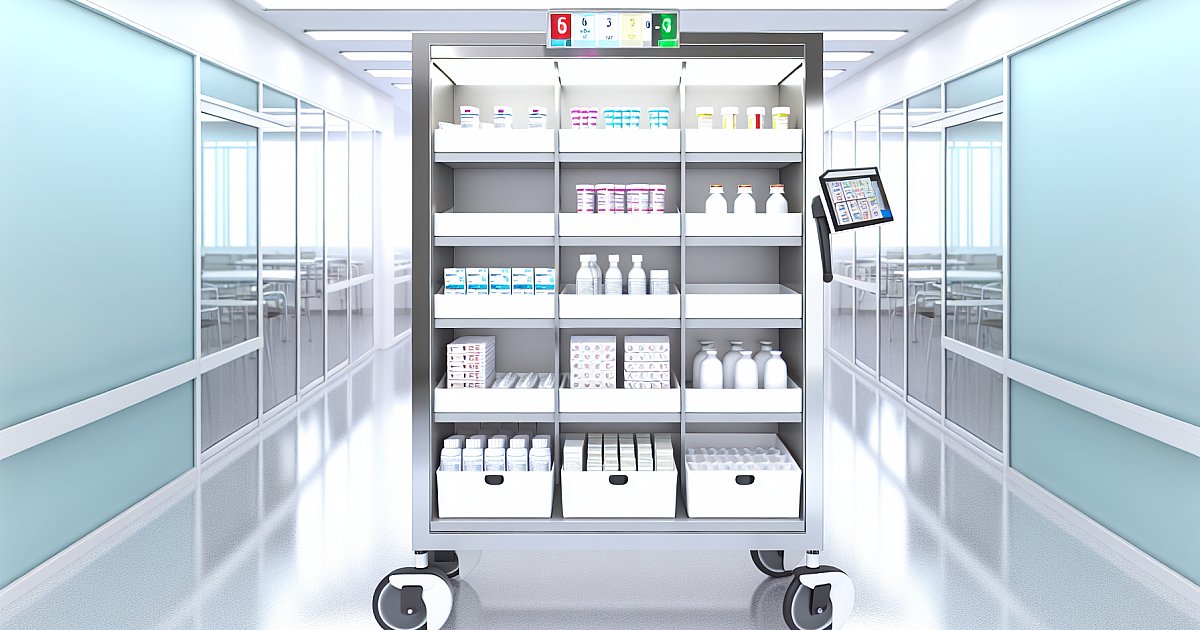
The medication finding emerged during a walkthrough of the facility's Special Care Unit on March 12. A Licensed Vocational Nurse, identified in inspection records as LVN 6, told inspectors that the unit had 26 residents in the building that day and that she was personally responsible for 12 of them. At 11:47 in the morning, she said, three of her twelve assigned residents had not yet received their morning medications.
Eleven minutes later, standing outside the room of Resident 149, LVN 6 was still explaining the situation to inspectors. The report was truncated at that point, but the exchange had already established the core problem: morning medications, which carry that name for a reason, were not reaching residents before the day was half over.
The second deficiency involved a rehabilitation aide identified as RNA 3. The details are sparse but pointed. Residents who were supposed to receive range-of-motion treatment experienced more pain and more limited mobility when RNA 3 returned to providing those services. The inspection report doesn't explain what RNA 3 was doing differently, or why the outcomes were measurably worse. It notes only that the harm was classified as minimal or potential, and that some residents were affected.
The facility's own written policy, a document titled Resident Mobility and Range of Motion revised in July 2017, states that residents will not experience a reduction in range of motion and will receive appropriate services to maintain or improve mobility. What inspectors found ran directly against that commitment. Residents weren't maintaining their mobility. They were losing it, and reporting pain in the process.
Range-of-motion therapy exists to prevent exactly this kind of decline. For residents in a special care setting, many of whom may already have limited ability to move independently, the difference between a properly delivered session and a harmful one is not abstract. It shows up in whether a person can lift their arm, turn their head, or shift their weight without hurting.
The medication lapse is its own category of concern. Morning medications at a skilled nursing facility often include blood pressure drugs, diabetes management, seizure prevention, and pain control. The timing of those medications matters. A resident whose 8 a.m. blood pressure pill arrives at noon has gone four hours without it. The inspection report does not identify what medications Resident 149 or the other two affected residents were waiting for, or what the consequences were of the delay.
What the report does establish is that one nurse, assigned to twelve residents in a special care unit, hadn't completed medication rounds by the time the morning was nearly gone. Whether that reflects the pace of the unit, the complexity of the patients, or something about how the facility staffs its floors, the inspection record doesn't say.
Inspectors classified both deficiencies as causing minimal harm or potential for actual harm. That's the lower end of CMS's harm scale, below the threshold that triggers immediate jeopardy findings or emergency enforcement. It does not mean the residents involved were unaffected. The residents who received range-of-motion care from RNA 3 had more pain when that aide came back. That's a documented outcome, not a projection.
The three residents still waiting for their morning medications at 11:47 a.m. were waiting in rooms down a hallway, in a unit with 26 people and not enough time in the morning to reach all of them.
Full Inspection Report
The details above represent a summary of key findings. View the complete inspection report for Vermont Healthcare Center from 2025-03-14 including all violations, facility responses, and corrective action plans.
Additional Resources
Data source: This article is based on inspection data downloaded directly from the Centers for Medicare & Medicaid Services (CMS) via Medicare.gov. CMS releases inspection reports in bulk; we publish the findings as documented by state surveyors in the official Form CMS-2567 Statement of Deficiencies.
Plan of correction: The CMS report we receive does not include the facility's plan of correction. Facilities submit plans of correction separately to state survey agencies and those responses may not be reflected in CMS data at the time of publication. The absence of a plan of correction in our data does not mean one was not filed. Readers who want information about corrective steps taken are encouraged to contact the facility directly or their state survey agency.
Corrections may have occurred: Inspection reports reflect conditions observed on the date of the survey. Facilities may have implemented corrections, staffing changes, additional training, or other remediation since the report was issued. We report what CMS provides and encourage readers to seek current information from the facility.
Editorial process: Inspection findings are extracted from CMS source documents and synthesized using AI, reviewed for factual accuracy against the original report by our editorial team.
Corrections: We strive for accuracy in everything we publish. If you believe any fact in this article is incorrect, please contact us with details, and we will review and correct it promptly.
Professional review: All content reviewed by Christopher F. Nesbitt, Sr., NH EMT & BU-trained Paralegal.
Last verified: November 6, 2026 · Our methodology
VERMONT HEALTHCARE CENTER in TORRANCE, CA was cited for violations during a health inspection on March 14, 2025.
That finding was one of two deficiencies documented when federal inspectors visited the 22035 S.
Health inspections identify deficiencies that facilities must correct. Violations range from minor documentation issues to serious safety concerns. Review the full report below for specific details and facility response.