Vermont Healthcare Center: Bathing Failures Cited - CA
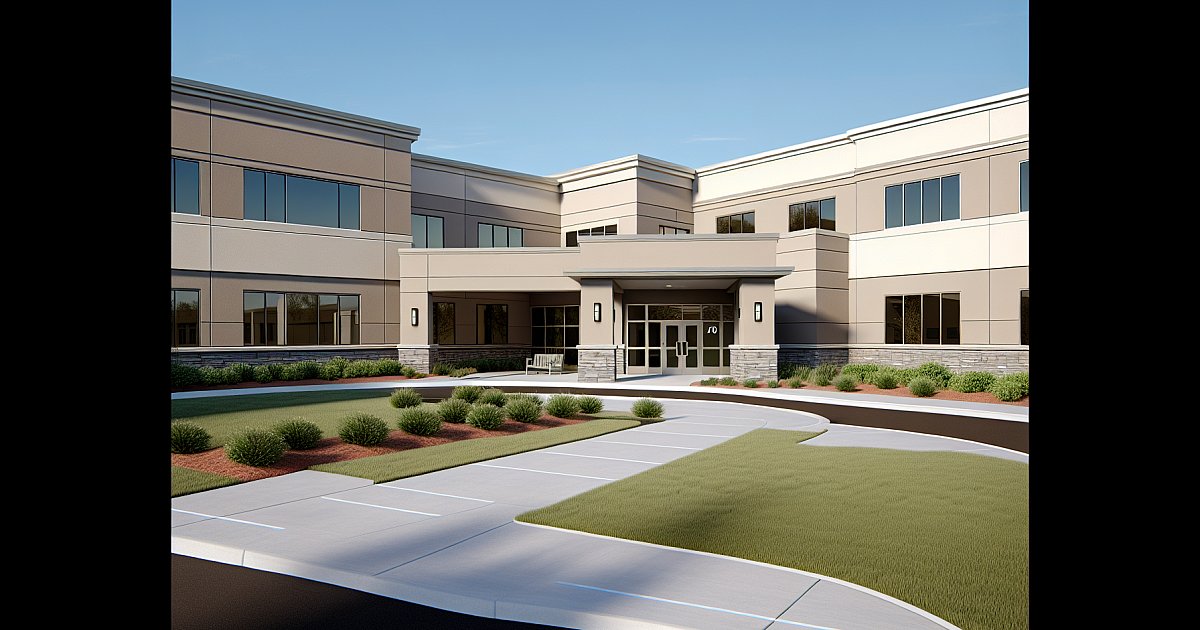
Federal inspectors documented the lapse during a March 14, 2025 survey of the facility at 22035 S. Vermont Avenue.
The Director of Nursing spelled out the stakes during an interview with inspectors the afternoon the survey closed. Bathing, she said, was not just about cleanliness. CNAs conduct skin inspections during those scheduled showers and bed baths. When a shower is skipped and no bed bath substitutes for it, that inspection does not happen either. A resident can develop a pressure injury, or an existing one can worsen, without anyone having looked at the skin that day.
The Registered Nurse Supervisor had said the same thing a day earlier. Moisture and dirt irritate the skin, she told inspectors, and make it more susceptible to pressure injury. Regular bathing removes those irritants. She also said something that does not appear in clinical language very often: residents can feel a lower sense of self-esteem from having a malodorous smell.
That detail lands differently than a discussion of skin breakdown. It is a reminder that the person in the bed is aware of what is happening, or not happening, to her body.
Both the Director of Nursing and the Registered Nurse Supervisor identified CNAs as the staff responsible for completing showers and bed baths. The facility's own job description for CNAs lists assisting residents with bath functions as a core duty. An undated policy on activities of daily living instructs staff to provide assistance depending on the level of care needed. A bathing policy from 2018 names cleanliness, comfort, and skin observation as the procedure's explicit purposes.
The documentation system the Director of Nursing described is straightforward enough that its failure is hard to explain away. Residents have shower schedules. CNAs have Skin Inspection Sheets. The sheets get completed when a shower happens. The Director of Nursing told inspectors directly: if there is no Skin Inspection Sheet, the resident did not receive a shower. She also said it was the resident's right to receive showers and bed baths.
Inspectors classified the harm level as minimal or potential for actual harm, and noted that few residents were affected. The citation cross-references F686, the federal tag covering care and services to prevent pressure sores.
What the inspection report does not contain is any explanation from staff about why the resident's Tuesday and Friday showers were missed, or how long the pattern had been going on before inspectors arrived. The facility's plan of correction was not included in the materials reviewed.
The resident whose showers were skipped is identified in inspection records only as Resident 154. Whether she had existing skin concerns that made the missed bathing and missed skin inspections more dangerous, the report does not say. What it does say is that the facility's own nursing leadership understood exactly what was supposed to happen, could articulate precisely why it mattered, and acknowledged that the paperwork trail would show when it had not been done.
The Skin Inspection Sheets were missing. The showers had not happened. And the Director of Nursing had just explained to a federal inspector that those two facts meant the same thing.
Full Inspection Report
The details above represent a summary of key findings. View the complete inspection report for Vermont Healthcare Center from 2025-03-14 including all violations, facility responses, and corrective action plans.
Additional Resources
Data source: This article is based on inspection data downloaded directly from the Centers for Medicare & Medicaid Services (CMS) via Medicare.gov. CMS releases inspection reports in bulk; we publish the findings as documented by state surveyors in the official Form CMS-2567 Statement of Deficiencies.
Plan of correction: The CMS report we receive does not include the facility's plan of correction. Facilities submit plans of correction separately to state survey agencies and those responses may not be reflected in CMS data at the time of publication. The absence of a plan of correction in our data does not mean one was not filed. Readers who want information about corrective steps taken are encouraged to contact the facility directly or their state survey agency.
Corrections may have occurred: Inspection reports reflect conditions observed on the date of the survey. Facilities may have implemented corrections, staffing changes, additional training, or other remediation since the report was issued. We report what CMS provides and encourage readers to seek current information from the facility.
Editorial process: Inspection findings are extracted from CMS source documents and synthesized using AI, reviewed for factual accuracy against the original report by our editorial team.
Corrections: We strive for accuracy in everything we publish. If you believe any fact in this article is incorrect, please contact us with details, and we will review and correct it promptly.
Professional review: All content reviewed by Christopher F. Nesbitt, Sr., NH EMT & BU-trained Paralegal.
Last verified: November 22, 2026 · Our methodology
VERMONT HEALTHCARE CENTER in TORRANCE, CA was cited for violations during a health inspection on March 14, 2025.
Federal inspectors documented the lapse during a March 14, 2025 survey of the facility at 22035 S.
Health inspections identify deficiencies that facilities must correct. Violations range from minor documentation issues to serious safety concerns. Review the full report below for specific details and facility response.
