Vista Grande Rehab: Fall Prevention Failure - CO
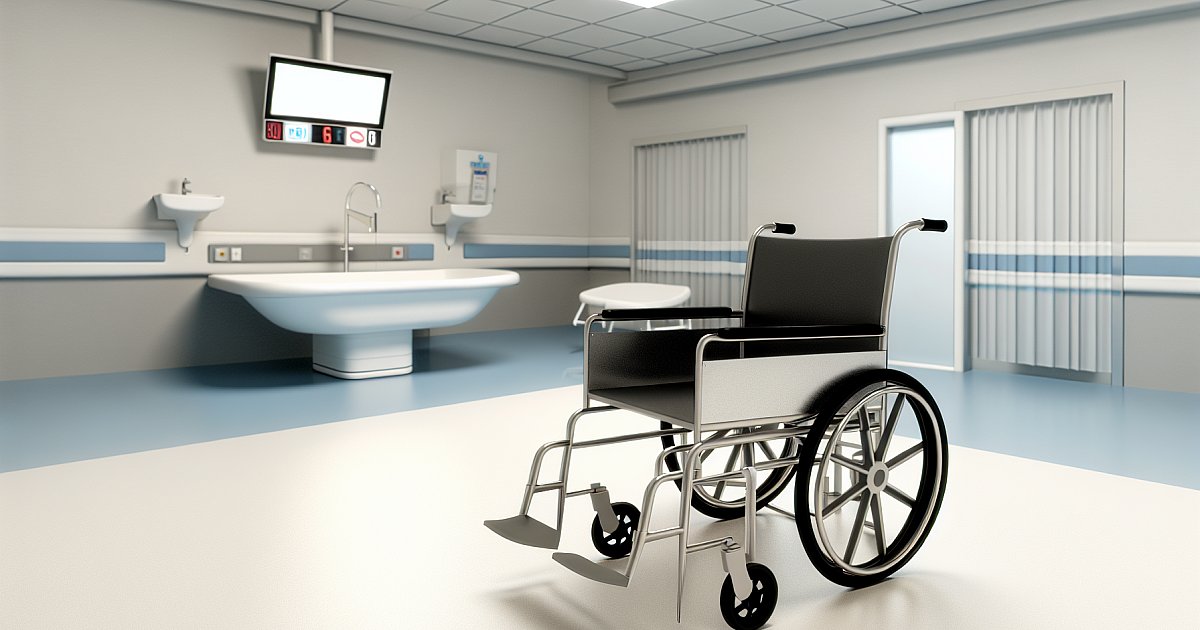
The resident, identified in federal inspection records as Resident #2, had a documented pattern of attempting to get up and go to the bathroom without telling anyone. That behavior was the reason the care plan existed. The fall on January 4, 2025 was what prompted it.
Advertisement
Losing sleep over a loved one's care?
The Derila Ergo memory foam pillow supports your neck in any sleep position. 60-day return policy.
See the Derila PillowWhen federal inspectors visited Vista Grande on March 6, 2025, they asked the Director of Nursing about the toileting schedule. The DON's first answer described a two-hour toileting routine as standard practice, something the facility did for any resident who needed assistance. Not a plan tailored to Resident #2. Not a response to her fall. Just what everyone got.
That framing mattered. The difference between a generic two-hour check and an individualized care-planned intervention is the difference between a facility following a schedule and a facility following a person. Resident #2's care plan existed because she was specific, because her risk was specific, because she had already fallen once trying to do something on her own that she needed help doing.
The DON was interviewed a second time the same evening, at 6:55 p.m. In that conversation, she acknowledged what the care plan actually said. She confirmed Resident #2 would try to get up and go to the bathroom by herself without telling anyone. She confirmed the bowel and bladder program put in place after the January fall called for toileting every two hours. Then she said all residents were checked on every two hours.
The answer kept collapsing back to the same point: this is what we do for everyone.
Federal inspectors cited the deficiency as causing actual harm, the agency's designation for violations where a resident suffered real injury or negative health consequences, not merely a risk of harm. The citation affected a small number of residents.
What the inspection record does not describe is what happened to Resident #2 between January and March, how many times she may have attempted to get up alone during that stretch, or whether she fell again. The record shows only that when inspectors asked whether her individualized plan was being implemented, the facility's nursing director twice answered with a description of its general routine.
Care plans for fall-risk residents are built around the specific reasons a specific person falls. A resident who tries to get up unannounced to use the bathroom is not managed the same way as a resident who loses balance transferring from a wheelchair, and a two-hour check that exists because it is standard is not the same as a two-hour check that exists because this person fell doing exactly this thing three months ago.
The DON's answers suggest those two things, the general and the specific, had become indistinguishable at Vista Grande.
Resident #2 was someone who already knew she needed the bathroom before anyone came to help her. She was someone who would not wait. The care plan written after her fall was supposed to account for that, to close the gap between when she felt the need and when someone arrived. Whether it did, in practice, is what inspectors were trying to determine.
The answer they got pointed to a schedule that belonged to everyone.
Full Inspection Report
The details above represent a summary of key findings. View the complete inspection report for Vista Grande Rehabilitation and Healthcare Center from 2025-03-06 including all violations, facility responses, and corrective action plans.
Additional Resources
Data source: This article is based on inspection data downloaded directly from the Centers for Medicare & Medicaid Services (CMS) via Medicare.gov. CMS releases inspection reports in bulk; we publish the findings as documented by state surveyors in the official Form CMS-2567 Statement of Deficiencies.
Plan of correction: The CMS report we receive does not include the facility's plan of correction. Facilities submit plans of correction separately to state survey agencies and those responses may not be reflected in CMS data at the time of publication. The absence of a plan of correction in our data does not mean one was not filed. Readers who want information about corrective steps taken are encouraged to contact the facility directly or their state survey agency.
Corrections may have occurred: Inspection reports reflect conditions observed on the date of the survey. Facilities may have implemented corrections, staffing changes, additional training, or other remediation since the report was issued. We report what CMS provides and encourage readers to seek current information from the facility.
Editorial process: Inspection findings are extracted from CMS source documents and synthesized using AI, reviewed for factual accuracy against the original report by our editorial team.
Corrections: We strive for accuracy in everything we publish. If you believe any fact in this article is incorrect, please contact us with details, and we will review and correct it promptly.
Professional review: All content reviewed by Christopher F. Nesbitt, Sr., NH EMT & BU-trained Paralegal.
Last verified: November 13, 2026 · Our methodology
VISTA GRANDE REHABILITATION AND HEALTHCARE CENTER in CORTEZ, CO was cited for violations during a health inspection on March 6, 2025.
That behavior was the reason the care plan existed.
Health inspections identify deficiencies that facilities must correct. Violations range from minor documentation issues to serious safety concerns. Review the full report below for specific details and facility response.