Choctaw Residential Center: Unlocked Med Cart - MS
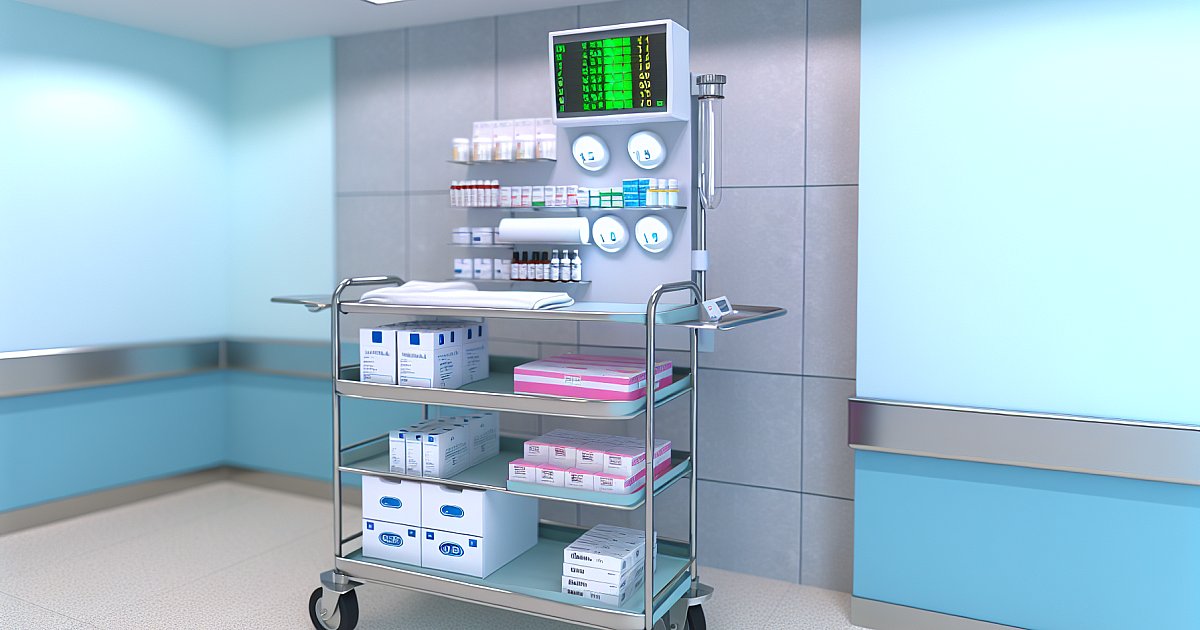
The cart was on C hall. The time was 12:45 in the afternoon. No nurse was in view.
Advertisement

Losing sleep over a loved one's care?
The Derila Ergo memory foam pillow supports your neck in any sleep position. 60-day return policy.
See the Derila PillowInspectors found it that way during a March 3 visit to Choctaw Residential Center, one of four survey days at the facility. Four minutes later, at 12:49 p.m., they spoke with the Licensed Practical Nurse responsible for the cart. She confirmed she had walked away and left it unlocked. She said she got called away and forgot.
Then she said something that made the stakes plain. "Any of the residents can get in it and take something."
She wasn't minimizing what had happened. She was describing exactly what the unlocked cart made possible: a resident, any resident, walking down C hall and reaching inside.
The facility's own medication storage policy says that during a medication pass, drugs must be either under the direct observation of the person administering them or locked in the medication storage area or cart. The cart on C hall was neither. The nurse was gone. The cart was open.
The administrator was interviewed the following morning, March 4, at 10:11 a.m. She confirmed that nurses should never leave the medication cart unlocked when out of view. She framed the risk the same way the nurse had, almost word for word. "Any resident could walk by and take some medication and have an allergic reaction."
Two people, separately, described the same scenario without being prompted: a resident, unsupervised, taking medication meant for someone else.
Inspectors classified the violation at the lowest level of harm, noting minimal harm or potential for actual harm, with few residents affected. The finding covered one of the four days they were present at the facility.
What the classification doesn't capture is the specific and foreseeable nature of what both the nurse and the administrator described. An allergic reaction to someone else's medication isn't a remote hypothetical. It's the reason medication carts are supposed to be locked in the first place. The nurse knew it. The administrator knew it. The cart was unlocked anyway.
Nursing homes dispense medications multiple times a day, every day, to residents who may have dementia, may be impulsive, may not understand what they're picking up or why they shouldn't take it. The medication cart is not a supply closet. It holds controlled substances, cardiac drugs, blood thinners, insulin, antipsychotics. The consequences of a resident accessing the wrong medication, or accessing any medication in an unmonitored moment, range from a minor incident to a medical emergency.
The LPN's explanation, that she got called away and forgot, is the most common kind of lapse in a nursing facility: not malice, not indifference, but a moment of competing demands that ends with something left undone. That doesn't make the cart less open. It doesn't make the residents passing C hall less able to reach inside.
The administrator confirmed the standard. The nurse confirmed she didn't meet it. The cart sat unlocked for at least four minutes before inspectors noted it, and there is no record of how long it had been that way before they arrived.
Nobody in the hallway took anything. This time.
Full Inspection Report
The details above represent a summary of key findings. View the complete inspection report for Choctaw Residential Center from 2025-03-06 including all violations, facility responses, and corrective action plans.
Additional Resources
Data source: This article is based on inspection data downloaded directly from the Centers for Medicare & Medicaid Services (CMS) via Medicare.gov. CMS releases inspection reports in bulk; we publish the findings as documented by state surveyors in the official Form CMS-2567 Statement of Deficiencies.
Plan of correction: The CMS report we receive does not include the facility's plan of correction. Facilities submit plans of correction separately to state survey agencies and those responses may not be reflected in CMS data at the time of publication. The absence of a plan of correction in our data does not mean one was not filed. Readers who want information about corrective steps taken are encouraged to contact the facility directly or their state survey agency.
Corrections may have occurred: Inspection reports reflect conditions observed on the date of the survey. Facilities may have implemented corrections, staffing changes, additional training, or other remediation since the report was issued. We report what CMS provides and encourage readers to seek current information from the facility.
Editorial process: Inspection findings are extracted from CMS source documents and synthesized using AI, reviewed for factual accuracy against the original report by our editorial team.
Corrections: We strive for accuracy in everything we publish. If you believe any fact in this article is incorrect, please contact us with details, and we will review and correct it promptly.
Professional review: All content reviewed by Christopher F. Nesbitt, Sr., NH EMT & BU-trained Paralegal.
Last verified: November 13, 2026 · Our methodology
Choctaw Residential Center in CHOCTAW, MS was cited for violations during a health inspection on March 6, 2025.
The time was 12:45 in the afternoon.
Health inspections identify deficiencies that facilities must correct. Violations range from minor documentation issues to serious safety concerns. Review the full report below for specific details and facility response.