California Post-Acute Care: Abuse Reporting Failures - CA
The violation was cited under the abuse reporting standard, with inspectors noting the harm level as minimal but actual, and the number of residents affected as few. That language, drawn from the federal deficiency form, carries specific meaning in nursing home oversight. "Minimal harm" does not mean no harm. It means harm occurred, or could have, and the systems meant to prevent worse outcomes, the phone calls to investigators, the notifications to the ombudsman whose job is to advocate for residents, the reports to law enforcement who can open criminal inquiries, did not go out when they were supposed to.
The two-hour window exists because evidence disappears. Witnesses remember less. Staff who were present at the time of an alleged incident get sent home, or simply move on with their shifts. Surveillance footage, in facilities that have it, may record over itself. The faster a report reaches investigators, the more they have to work with. When that window closes without the required calls being made, the investigation that follows starts at a disadvantage.
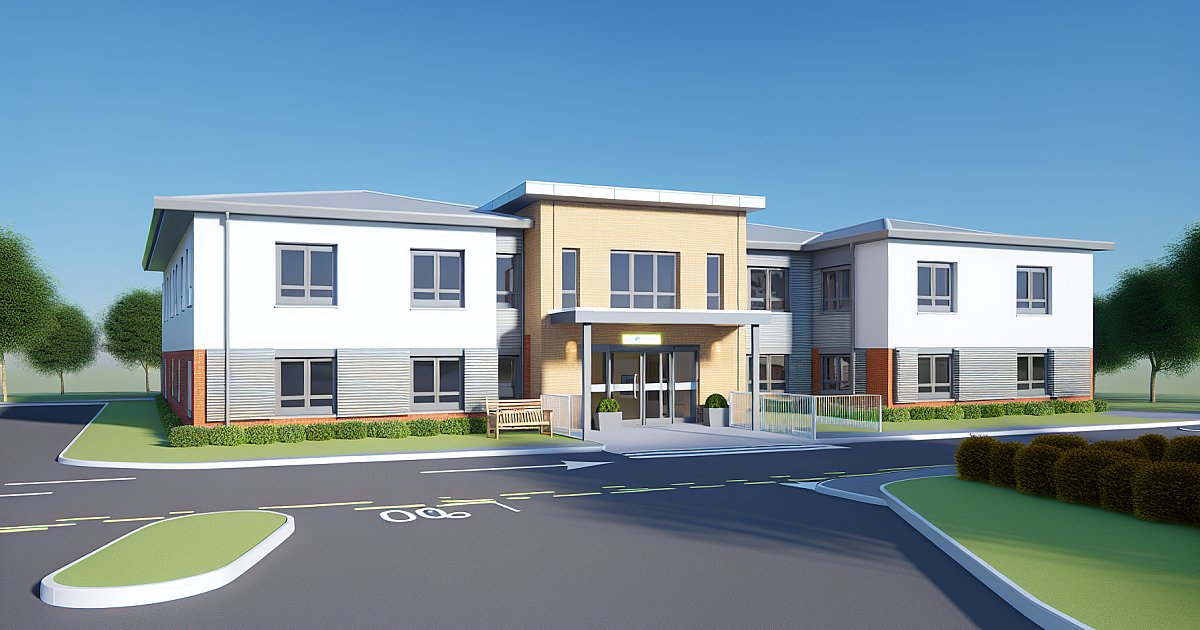
California Post-Acute Care sits on East Imperial Highway in Lynwood, a city in the southern portion of Los Angeles County. The facility's plan of correction for this deficiency was not included in the portion of the inspection record available, though the CMS form instructs facilities to contact either the nursing home or the state survey agency for that information.
What the record does show is the gap between policy and practice. The June 2022 policy document, cited by inspectors, described the facility's own understanding of what was required. It named the three parties who needed to be contacted: the state agency, the ombudsman, the relevant law enforcement body. It named the deadline: two hours. That policy was in place for nearly three years before the February 2025 inspection. Inspectors found it had not been followed.
The inspection covered a small number of residents, described in the deficiency record as "few." That word is a defined category in federal survey methodology, meaning no more than a handful of people were identified in connection with this finding. The inspection report does not describe the nature of the alleged abuse or suspected abuse that should have triggered the two-hour reporting requirement, nor does it name the residents involved or describe what happened to them.
That absence is itself part of the problem the deficiency describes. When reporting does not happen on time, or does not happen at all, the record of what occurred becomes thinner. The ombudsman who should have been called cannot advocate for a resident they don't know has been harmed. Law enforcement cannot open an inquiry they were never told to open. The state agency cannot dispatch investigators to a scene no one reported.
California's nursing home oversight system depends on these notifications functioning as designed. The ombudsman program, funded under federal law, provides residents with an independent advocate whose role is specifically to receive and investigate complaints, including those involving abuse and neglect. That advocate cannot do the job without the call.
Inspectors completing the CMS-2567 form, the standard federal deficiency document, assigned this finding a harm level indicating that the failure caused or had the potential to cause real consequences for real people. The facility ID recorded on the inspection is 055052. The survey was completed on February 28, 2025, and the document was printed more than a year later, on August 8, 2026, suggesting the formal record took considerable time to move through the system.
The deficiency falls under a category of violations that federal regulators have repeatedly identified as among the most serious in long-term care settings, not because abuse in a nursing home is routine, but because the response to suspected abuse is one of the clearest tests of whether a facility's leadership takes the safety of its residents seriously. A facility that trains its staff to recognize abuse, that writes a policy requiring prompt reporting, and then fails to make the required calls when an incident occurs has broken the chain at the point that matters most.
The residents living at California Post-Acute Care at the time of the inspection were, by definition, people who needed skilled nursing or rehabilitative care, people who in many cases could not advocate loudly for themselves, who depended on the facility's staff to act on their behalf when something went wrong. The two-hour reporting requirement is one of the few mechanisms the regulatory system has to ensure that someone outside the facility, someone without a financial stake in how the incident is characterized, gets notified quickly enough to do something about it.
That notification did not happen here on time. The facility's own paperwork said it should have.
What the inspection report does not say is whether the person or people at the center of the suspected abuse were ever connected with the investigators and advocates who should have been called. It does not say whether law enforcement was eventually notified, only later than required, or whether the ombudsman learned what had happened through some other channel. It does not describe the outcome for the residents who were affected.
Those are the questions that remain unanswered in the public record, and they are the questions that matter most to the people who lived through whatever happened at this facility in the period before inspectors arrived. A policy written in 2022 promised them something. The inspection completed in February 2025 found that promise had not been kept.
Full Inspection Report
The details above represent a summary of key findings. View the complete inspection report for California Post-acute Care from 2025-02-28 including all violations, facility responses, and corrective action plans.
Additional Resources
Data source: This article is based on inspection data downloaded directly from the Centers for Medicare & Medicaid Services (CMS) via Medicare.gov. CMS releases inspection reports in bulk; we publish the findings as documented by state surveyors in the official Form CMS-2567 Statement of Deficiencies.
Plan of correction: The CMS report we receive does not include the facility's plan of correction. Facilities submit plans of correction separately to state survey agencies and those responses may not be reflected in CMS data at the time of publication. The absence of a plan of correction in our data does not mean one was not filed. Readers who want information about corrective steps taken are encouraged to contact the facility directly or their state survey agency.
Corrections may have occurred: Inspection reports reflect conditions observed on the date of the survey. Facilities may have implemented corrections, staffing changes, additional training, or other remediation since the report was issued. We report what CMS provides and encourage readers to seek current information from the facility.
Editorial process: Inspection findings are extracted from CMS source documents and synthesized using AI, reviewed for factual accuracy against the original report by our editorial team.
Corrections: We strive for accuracy in everything we publish. If you believe any fact in this article is incorrect, please contact us with details, and we will review and correct it promptly.
Professional review: All content reviewed by Christopher F. Nesbitt, Sr., NH EMT & BU-trained Paralegal.
Last verified: November 24, 2026 · Our methodology
CALIFORNIA POST-ACUTE CARE in LYNWOOD, CA was cited for abuse-related violations during a health inspection on February 28, 2025.
That language, drawn from the federal deficiency form, carries specific meaning in nursing home oversight.
Health inspections identify deficiencies that facilities must correct. Violations range from minor documentation issues to serious safety concerns. Review the full report below for specific details and facility response.
