Hill Haven Nursing Home: Water Safety Plan Missing - GA
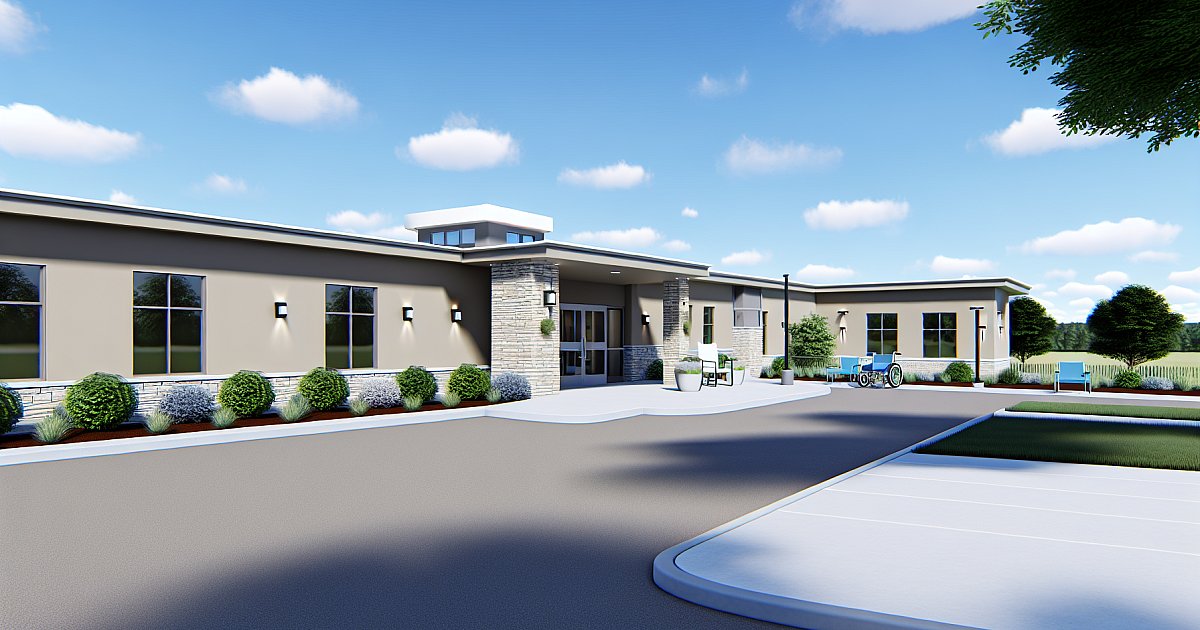
When federal inspectors arrived at Hill Haven Nursing Home on February 20, a review of the facility's records turned up no water management plan at all. Not an outdated one. Not one under revision. None.
Advertisement

Losing sleep over a loved one's care?
The Derila Ergo memory foam pillow supports your neck in any sleep position. 60-day return policy.
See the Derila PillowThe facility's infection prevention and control policy, last revised in October 2022, stated plainly under its compliance guidelines that a water management program had been established as part of the overall infection prevention program. That sentence had been sitting in the policy for more than two years. The plan it described did not exist.
A water management plan is how a nursing home monitors and controls waterborne pathogens, including Legionella, the bacteria that causes Legionnaires' disease. Without one, a facility has no systematic way of knowing whether the water its residents drink, bathe in, and breathe aerosolized vapor from is safe. Legionnaires' disease is a severe form of pneumonia. In elderly residents, particularly those with compromised immune systems or chronic lung conditions, it can be fatal.
Hill Haven had 59 residents at the time of the inspection.
The administrator, who had been on the job for two weeks when inspectors arrived, confirmed the gap directly. He told inspectors he had already identified the missing plan after starting the position and had added it to the agenda for the facility's next Quality Assurance Performance Improvement meeting, scheduled for March. He said daily hot water temperature checks would be part of whatever plan the facility eventually put together.
That is the full extent of what had been done. A line item on a future meeting agenda.
The administrator's candor about finding the problem himself is notable, and it is worth taking at face value that he moved quickly once he saw it. But the problem he found was not new. The policy requiring a water management program had been in place since at least October 2022. Whoever held the administrator's job before him, and whoever oversaw infection control in the intervening years, had a policy on paper and nothing behind it.
The inspection cited the deficiency as having the potential to affect all residents. The level of harm was classified as minimal, meaning inspectors did not find evidence that any resident had been sickened as a result. That classification reflects what could be documented at the time of the visit, not a guarantee of what did or did not happen over the preceding years.
There is a particular quality to a violation like this one. There is no dramatic incident, no fall, no injury, no staff member who did something cruel or careless in a single moment. The harm, if it came, would have been invisible until it was not. A resident develops a fever. A chest X-ray shows pneumonia. A cause is identified, or it is not, and the connection to the facility's water is never made because nobody was monitoring the water in the first place.
Inspectors cited the deficiency under the infection prevention and control standards that apply to all Medicare and Medicaid certified nursing homes. The facility was given the opportunity to submit a plan of correction.
As of the inspection date, 59 residents were living at Hill Haven without a water safety program in place, in a building whose own written policy had been promising one for more than two years.
Full Inspection Report
The details above represent a summary of key findings. View the complete inspection report for Hill Haven Nursing Home from 2025-02-20 including all violations, facility responses, and corrective action plans.
Additional Resources
Data source: This article is based on inspection data downloaded directly from the Centers for Medicare & Medicaid Services (CMS) via Medicare.gov. CMS releases inspection reports in bulk; we publish the findings as documented by state surveyors in the official Form CMS-2567 Statement of Deficiencies.
Plan of correction: The CMS report we receive does not include the facility's plan of correction. Facilities submit plans of correction separately to state survey agencies and those responses may not be reflected in CMS data at the time of publication. The absence of a plan of correction in our data does not mean one was not filed. Readers who want information about corrective steps taken are encouraged to contact the facility directly or their state survey agency.
Corrections may have occurred: Inspection reports reflect conditions observed on the date of the survey. Facilities may have implemented corrections, staffing changes, additional training, or other remediation since the report was issued. We report what CMS provides and encourage readers to seek current information from the facility.
Editorial process: Inspection findings are extracted from CMS source documents and synthesized using AI, reviewed for factual accuracy against the original report by our editorial team.
Corrections: We strive for accuracy in everything we publish. If you believe any fact in this article is incorrect, please contact us with details, and we will review and correct it promptly.
Professional review: All content reviewed by Christopher F. Nesbitt, Sr., NH EMT & BU-trained Paralegal.
Last verified: November 16, 2026 · Our methodology
HILL HAVEN NURSING HOME in COMMERCE, GA was cited for violations during a health inspection on February 20, 2025.
When federal inspectors arrived at Hill Haven Nursing Home on February 20, a review of the facility's records turned up no water management plan at all.
Health inspections identify deficiencies that facilities must correct. Violations range from minor documentation issues to serious safety concerns. Review the full report below for specific details and facility response.