Highland Rehab: Infection Control Failures Cited - MO
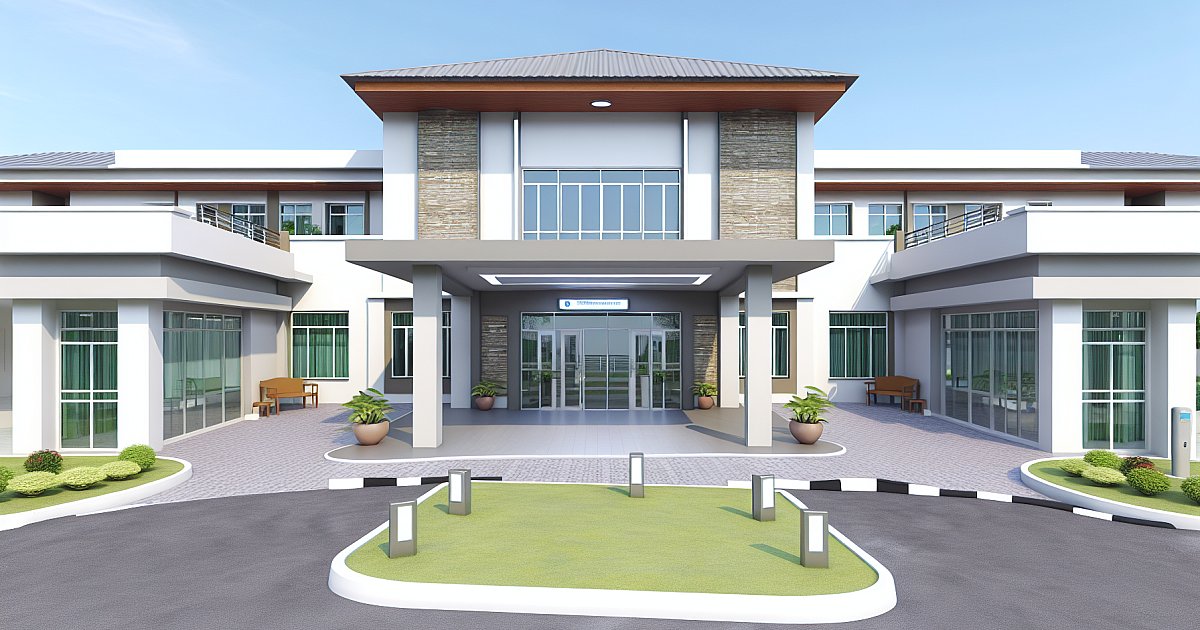
Federal inspectors documented the incident on February 4, 2025, at Highland Rehabilitation & Health Care Center, a nursing home at 904 East 68th Street. The resident at the center of it, identified in inspection records as Resident #103, had a feeding tube and a documented swallowing disorder. Because of the feeding tube, the resident was on a protocol requiring staff to perform hand hygiene before entering the room, wear a gown and gloves for any physical contact, and wash their hands again on the way out.
Advertisement

Losing sleep over a loved one's care?
The Derila Ergo memory foam pillow supports your neck in any sleep position. 60-day return policy.
See the Derila PillowThe admissions coordinator did none of it.
When inspectors spoke with the coordinator two minutes after the observation, the response was a concession. He or she said they should have performed hand hygiene before entering and after leaving. Then, as if working through a checklist out loud, the coordinator added that he or she "guessed" a gown should have been worn as well.
Resident #103 had been a patient at the facility before. Records show an original admission in November 2023, then a readmission in January 2025. A cognitive assessment from late 2024 found the resident had short-term memory problems but was capable of making daily decisions independently. More than half of the resident's daily calories came through the feeding tube, not by mouth.
The care plan had flagged the need for enhanced barrier precautions since July 2024. An order placed the day of the readmission, January 9, 2025, renewed both the enteral feeding instructions and the barrier precaution requirement. The protocol was not new. It was not ambiguous. It was in the record.
Three days after the observation, inspectors interviewed the Assistant Director of Nursing, who laid out exactly what the protocol required: hand hygiene before entering, hand hygiene before leaving, gown and gloves for any resident care. The Interim Director of Nursing said the same thing in a separate interview later that afternoon, adding that the hand hygiene requirement applied specifically when staff entered the room to provide care.
What the coordinator did was provide care. Moving a resident's leg. Repositioning a body. Adjusting pillows. These are not incidental contact. For a resident on a feeding tube, they are precisely the kind of interactions the precautions exist to cover.
The inspection report rated the violation at the lower end of the harm scale, classifying it as minimal harm or potential for actual harm. But the classification describes what inspectors could measure, not what a compromised immune system encounters when a staff member skips protective gear before touching a patient who cannot eat without a tube running into their stomach.
Residents on feeding tubes carry higher infection risk at baseline. The tube itself is a direct entry point into the body. The swallowing disorder that brought Resident #103 to tube feeding in the first place means the ordinary routes of clearing infection, coughing, swallowing, are already impaired. Enhanced barrier precautions exist because the margin for error is smaller, not larger.
The admissions coordinator is not a nurse. The role is administrative. But the coordinator was in the room, hands on the resident, and the facility's own leadership confirmed afterward that the protocol applied to anyone providing that kind of contact. No one in the inspection report suggested the coordinator was unaware of the requirement or that the training had never happened. The coordinator knew. He or she said so.
Inspectors completed their review on February 8, 2025. Resident #103 remained in the facility.
Full Inspection Report
The details above represent a summary of key findings. View the complete inspection report for Highland Rehabilitation & Health Care Center from 2025-02-08 including all violations, facility responses, and corrective action plans.
Additional Resources
Data source: This article is based on inspection data downloaded directly from the Centers for Medicare & Medicaid Services (CMS) via Medicare.gov. CMS releases inspection reports in bulk; we publish the findings as documented by state surveyors in the official Form CMS-2567 Statement of Deficiencies.
Plan of correction: The CMS report we receive does not include the facility's plan of correction. Facilities submit plans of correction separately to state survey agencies and those responses may not be reflected in CMS data at the time of publication. The absence of a plan of correction in our data does not mean one was not filed. Readers who want information about corrective steps taken are encouraged to contact the facility directly or their state survey agency.
Corrections may have occurred: Inspection reports reflect conditions observed on the date of the survey. Facilities may have implemented corrections, staffing changes, additional training, or other remediation since the report was issued. We report what CMS provides and encourage readers to seek current information from the facility.
Editorial process: Inspection findings are extracted from CMS source documents and synthesized using AI, reviewed for factual accuracy against the original report by our editorial team.
Corrections: We strive for accuracy in everything we publish. If you believe any fact in this article is incorrect, please contact us with details, and we will review and correct it promptly.
Professional review: All content reviewed by Christopher F. Nesbitt, Sr., NH EMT & BU-trained Paralegal.
Last verified: November 17, 2026 · Our methodology
HIGHLAND REHABILITATION & HEALTH CARE CENTER in KANSAS CITY, MO was cited for violations during a health inspection on February 8, 2025.
Federal inspectors documented the incident on February 4, 2025, at Highland Rehabilitation & Health Care Center, a nursing home at 904 East 68th Street.
Health inspections identify deficiencies that facilities must correct. Violations range from minor documentation issues to serious safety concerns. Review the full report below for specific details and facility response.