Dawson Health and Rehabilitation: Fall Safety Failures - GA
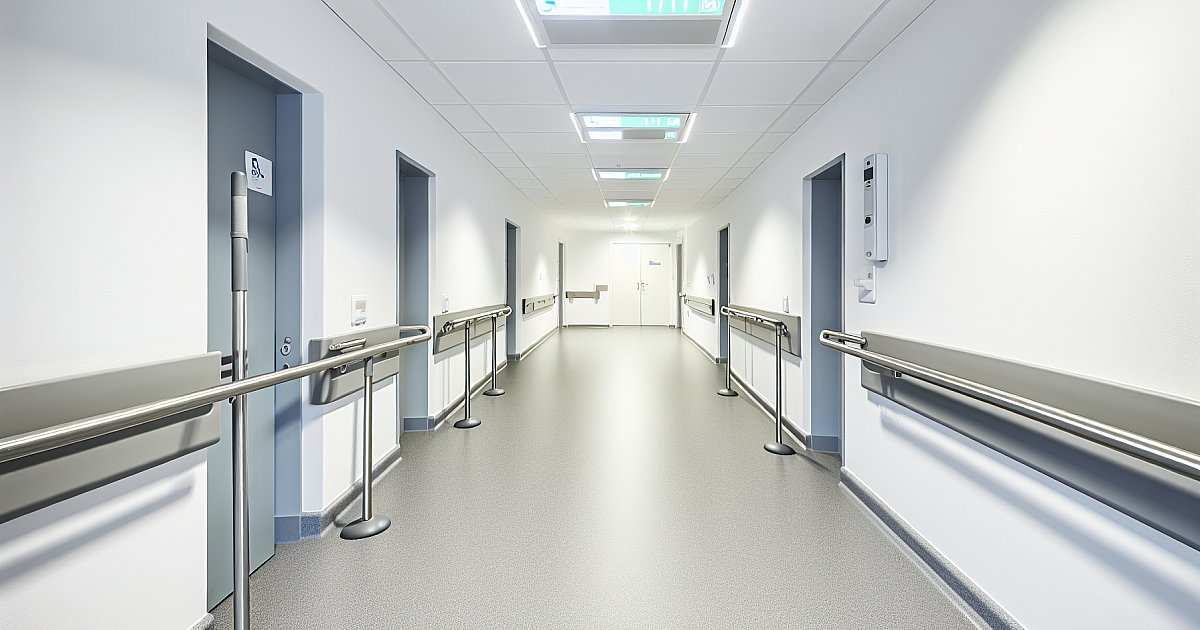
Federal inspectors cited Dawson Health and Rehabilitation, a nursing facility at 1159 Georgia Avenue in this small southwest Georgia city, following a survey completed February 6, 2025. The deficiency centered on fall prevention, specifically the facility's failure to ensure that residents received the supervision and assistive equipment their conditions required.
The inspection report identified the harm level as minimal or potential for actual harm, meaning inspectors found the lapses had not yet produced serious injury but created conditions where injury was possible. A few residents were affected.
The citation traced back to December 27, 2024, when inspectors reviewed the facility's own written policy on fall prevention. That policy committed the facility to providing adequate supervision, assistive devices, and functional programs appropriate to each resident's needs. What inspectors found in practice did not match what the policy promised.
Fall injuries are among the most serious and common harms that occur in nursing facilities. For elderly residents, many of whom have fragile bones, reduced balance, or cognitive impairment, a single fall can mean a broken hip, a head injury, or a rapid decline in overall health. The difference between a resident who falls and one who does not often comes down to whether staff have put the right tools and the right level of attention in place before the moment of crisis arrives.
Dawson Health and Rehabilitation is a Medicare and Medicaid certified facility. It serves residents in Terrell County, a rural part of Georgia where access to alternative long-term care options is limited. For many families in the area, a facility like this one is not a choice among several, it is the only option available.
The inspection was a standard health survey, the routine process by which the Centers for Medicare and Medicaid Services monitors whether nursing homes are meeting the requirements tied to their federal certification. Surveyors examine records, observe care, and interview staff and residents. When they find that a facility's practices fall short of what its own policies and federal standards require, they issue a deficiency citation, which becomes part of the facility's permanent public record.
In this case, the gap was between what the facility had written down and what it had actually delivered. The policy existed. The commitment to supervision and assistive devices existed on paper. The follow-through, for at least a few residents, did not.
The facility was given the opportunity to submit a plan of correction. That plan, if submitted, would outline the steps management intended to take to address the deficiency. The inspection report directed anyone seeking information about the plan to contact the facility or the state survey agency directly.
What the report does not contain is a description of what happened to the residents who were affected. It does not say whether any of them fell. It does not describe what assistive device was missing, or what level of supervision was absent, or how long the gap between policy and practice had existed before inspectors arrived. The record is thin on those details, which means the full picture of what those few residents experienced during that period remains incomplete.
What is clear is that at some point before February 6, someone at Dawson Health and Rehabilitation wrote a policy that recognized exactly what vulnerable residents need to stay safe. The policy named supervision. It named assistive devices. It named functional programs. It named the goal of minimizing fall risk. For at least a few residents, the people responsible for carrying out that policy did not.
Full Inspection Report
The details above represent a summary of key findings. View the complete inspection report for Dawson Health and Rehabilitation from 2025-02-06 including all violations, facility responses, and corrective action plans.
Additional Resources
Data source: This article is based on inspection data downloaded directly from the Centers for Medicare & Medicaid Services (CMS) via Medicare.gov. CMS releases inspection reports in bulk; we publish the findings as documented by state surveyors in the official Form CMS-2567 Statement of Deficiencies.
Plan of correction: The CMS report we receive does not include the facility's plan of correction. Facilities submit plans of correction separately to state survey agencies and those responses may not be reflected in CMS data at the time of publication. The absence of a plan of correction in our data does not mean one was not filed. Readers who want information about corrective steps taken are encouraged to contact the facility directly or their state survey agency.
Corrections may have occurred: Inspection reports reflect conditions observed on the date of the survey. Facilities may have implemented corrections, staffing changes, additional training, or other remediation since the report was issued. We report what CMS provides and encourage readers to seek current information from the facility.
Editorial process: Inspection findings are extracted from CMS source documents and synthesized using AI, reviewed for factual accuracy against the original report by our editorial team.
Corrections: We strive for accuracy in everything we publish. If you believe any fact in this article is incorrect, please contact us with details, and we will review and correct it promptly.
Professional review: All content reviewed by Christopher F. Nesbitt, Sr., NH EMT & BU-trained Paralegal.
Last verified: November 19, 2026 · Our methodology
DAWSON HEALTH AND REHABILITATION in DAWSON, GA was cited for violations during a health inspection on February 6, 2025.
The citation traced back to December 27, 2024, when inspectors reviewed the facility's own written policy on fall prevention.
Health inspections identify deficiencies that facilities must correct. Violations range from minor documentation issues to serious safety concerns. Review the full report below for specific details and facility response.
