Muskego Health and Rehab: Transfer Notice Failures - WI
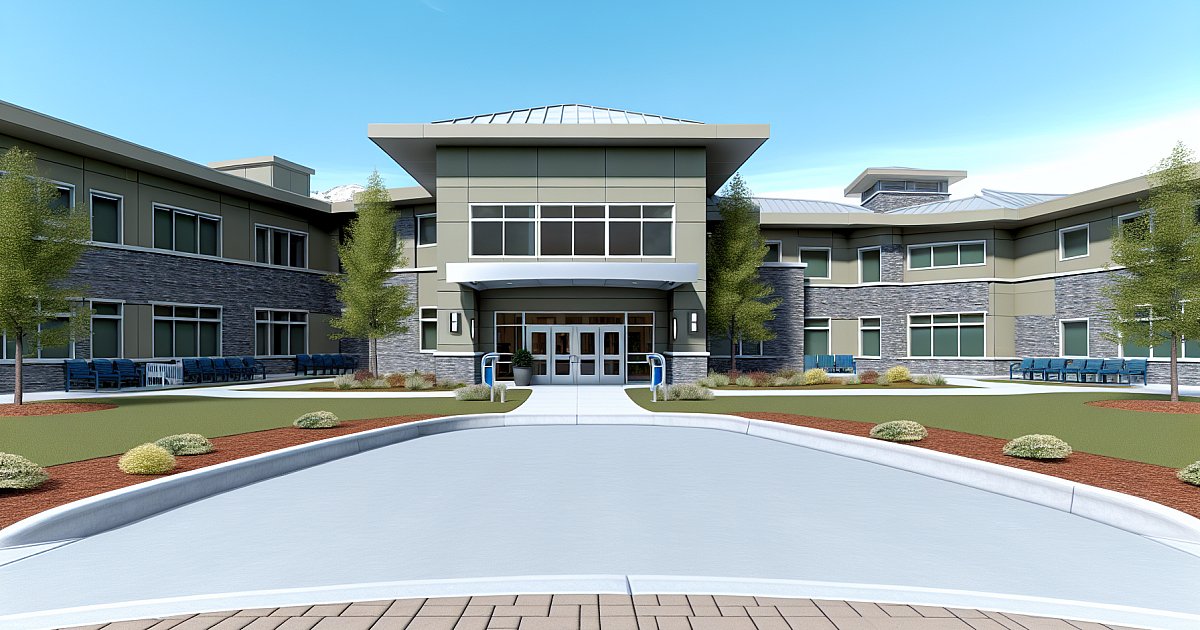
That finding emerged from a federal inspection completed January 27, 2025, at the facility on Janesville Road. Inspectors cited the home for failing to provide residents with written notice of the reason for their transfer and the location they were being sent to when hospitalization was required.
The Director of Nursing, identified in the inspection report as DON-B, acknowledged the gap directly. Her explanation was brief: the facility's practice was to call the resident's power of attorney to report a change in condition. Written notice, she said, had not been part of that process. It would be in the future.
That was the extent of the response. No additional information was provided.
For residents being transferred to a hospital, particularly those who are confused, frightened, or unable to advocate for themselves, written notice is not a formality. It is the document that tells them, and the people responsible for their care, what is happening and why. A phone call to a power of attorney is not the same thing. It reaches one person, leaves no record the resident can hold, and does nothing for a resident who may be conscious and capable of understanding their own situation.
The inspection classified the violation as causing minimal harm or potential for actual harm, and noted that only a few residents were affected.
Those classifications carry weight in how a deficiency is scored and whether fines follow. But they can also flatten what it means to be loaded into an ambulance without a piece of paper explaining where you are going.
Muskego Health and Rehabilitation Center is a skilled nursing facility operating in Waukesha County, southwest of Milwaukee. The January inspection was a standard health survey.
DON-B's response, as recorded by inspectors, was essentially a concession and a promise. The facility was not doing this. It would start. There was no explanation of how long the practice had been in place, how many transfers had occurred without written notice, or whether any resident or family member had ever asked for documentation and been told none existed.
The inspection report does not say.
What it does say is that when inspectors asked, the Director of Nursing confirmed the omission without apparent dispute. The facility's own account of its transfer process contained no written notification component. That process was, by the DON's own description, a phone call. To one person. With no copy for the resident's file, no copy for the resident, and no record of what was communicated or when.
A power of attorney is authorized to make decisions on a resident's behalf. That role matters enormously when a resident cannot speak for themselves. But the existence of a POA does not eliminate a facility's obligation to document what is happening to the person in its care.
The plan of correction for this deficiency, like the details of how many residents were transferred without written notice and over what period, is not included in the portion of the inspection report available. For that information, the inspection report directs readers to contact the nursing home or the state survey agency directly.
What the report does contain is the DON's acknowledgment, recorded by a federal inspector during a survey in January, that written transfer notices had not been provided and that the facility intended to provide them going forward.
For the residents who were transferred before that conversation took place, the written notice they were owed does not exist. There is no document telling them why they left, where they went, or who made the decision. There is, somewhere, a phone call that was made to someone else on their behalf.
Full Inspection Report
The details above represent a summary of key findings. View the complete inspection report for Muskego Health and Rehabilitation Center from 2025-01-27 including all violations, facility responses, and corrective action plans.
Additional Resources
Data source: This article is based on inspection data downloaded directly from the Centers for Medicare & Medicaid Services (CMS) via Medicare.gov. CMS releases inspection reports in bulk; we publish the findings as documented by state surveyors in the official Form CMS-2567 Statement of Deficiencies.
Plan of correction: The CMS report we receive does not include the facility's plan of correction. Facilities submit plans of correction separately to state survey agencies and those responses may not be reflected in CMS data at the time of publication. The absence of a plan of correction in our data does not mean one was not filed. Readers who want information about corrective steps taken are encouraged to contact the facility directly or their state survey agency.
Corrections may have occurred: Inspection reports reflect conditions observed on the date of the survey. Facilities may have implemented corrections, staffing changes, additional training, or other remediation since the report was issued. We report what CMS provides and encourage readers to seek current information from the facility.
Editorial process: Inspection findings are extracted from CMS source documents and synthesized using AI, reviewed for factual accuracy against the original report by our editorial team.
Corrections: We strive for accuracy in everything we publish. If you believe any fact in this article is incorrect, please contact us with details, and we will review and correct it promptly.
Professional review: All content reviewed by Christopher F. Nesbitt, Sr., NH EMT & BU-trained Paralegal.
Last verified: November 22, 2026 · Our methodology
Muskego Health and Rehabilitation Center in MUSKEGO, WI was cited for violations during a health inspection on January 27, 2025.
That finding emerged from a federal inspection completed January 27, 2025, at the facility on Janesville Road.
Health inspections identify deficiencies that facilities must correct. Violations range from minor documentation issues to serious safety concerns. Review the full report below for specific details and facility response.
