Kei-Ai Los Angeles: Language Access Failures - CA
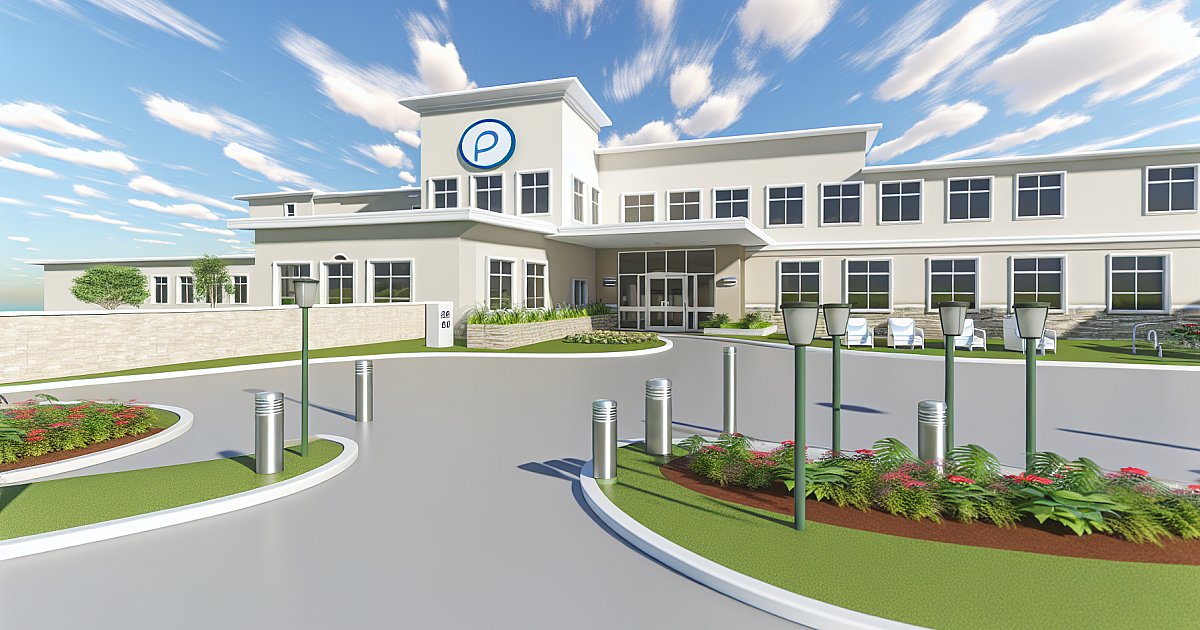
Kei-Ai Los Angeles Healthcare Center, a skilled nursing facility at 2221 Lincoln Park Ave, was cited during a January 10 inspection for failing to provide translation services to non-English-speaking residents. The deficiency affected a small number of residents, but the consequences inspectors described were not minor. The facility's own Director of Nursing acknowledged that residents who couldn't communicate with staff would experience feelings of frustration and confusion, and that staff would be unable to provide good quality care.
That last part is worth sitting with. The person responsible for nursing operations at the facility told inspectors, in plain terms, that without a working translation system, quality care was not possible. The inspection found the facility lacked one.
The gap between what the facility promised and what it delivered was documented in its own paperwork. A policy titled "Communication with Non-English/Aphasic Resident," revised as recently as November 2023, stated that the facility would provide an interpreter for any resident who didn't speak English. It went further, committing staff to write the names of pictured items in a resident's native language, drawing on available staff, family members, and community resources to make that happen.
None of that appeared to be happening in practice.
Los Angeles is one of the most linguistically diverse cities in the country. At a facility bearing a Japanese-language name, serving a neighborhood where multiple languages are spoken daily, the failure to bridge the gap between residents and caregivers is not a paperwork problem. It is a care problem. A resident who cannot tell a nurse where it hurts, or ask what medication they are being given, or explain that they are cold or frightened or in pain, is a resident who is effectively isolated inside a building full of people.
The Director of Nursing said as much. The inspection report quotes the DON directly on the consequences of that isolation: frustration, confusion, an inability to deliver good care. The facility's own leadership described the harm. Inspectors agreed.
The deficiency was classified at the lower end of the harm scale, reflecting minimal harm or potential for actual harm, affecting few residents. That classification reflects regulatory language, not the daily experience of a person who cannot make themselves understood to the people responsible for keeping them alive and comfortable.
The facility's policy had been updated fourteen months before inspectors arrived. Someone, at some point in late 2023, sat down and revised a document committing the facility to interpreter services and bilingual picture boards and community outreach. That document existed. The practice it described did not.
What inspectors found at Kei-Ai was not a facility without a plan. It was a facility with a plan it wasn't following, in a city where the residents most likely to need that plan are also among the most vulnerable to being overlooked when it fails.
The inspection report does not name the residents who were left without translation services. It does not describe what they needed to say and couldn't, or what care they may have received differently if someone had been able to understand them. Those details are not in the record.
What is in the record is the Director of Nursing's own assessment: without communication, you cannot provide good quality care. At Kei-Ai Los Angeles in January 2025, that was the situation some residents were living in.
Full Inspection Report
The details above represent a summary of key findings. View the complete inspection report for Kei-ai Los Angeles Healthcare Center from 2025-01-10 including all violations, facility responses, and corrective action plans.
Additional Resources
Data source: This article is based on inspection data downloaded directly from the Centers for Medicare & Medicaid Services (CMS) via Medicare.gov. CMS releases inspection reports in bulk; we publish the findings as documented by state surveyors in the official Form CMS-2567 Statement of Deficiencies.
Plan of correction: The CMS report we receive does not include the facility's plan of correction. Facilities submit plans of correction separately to state survey agencies and those responses may not be reflected in CMS data at the time of publication. The absence of a plan of correction in our data does not mean one was not filed. Readers who want information about corrective steps taken are encouraged to contact the facility directly or their state survey agency.
Corrections may have occurred: Inspection reports reflect conditions observed on the date of the survey. Facilities may have implemented corrections, staffing changes, additional training, or other remediation since the report was issued. We report what CMS provides and encourage readers to seek current information from the facility.
Editorial process: Inspection findings are extracted from CMS source documents and synthesized using AI, reviewed for factual accuracy against the original report by our editorial team.
Corrections: We strive for accuracy in everything we publish. If you believe any fact in this article is incorrect, please contact us with details, and we will review and correct it promptly.
Professional review: All content reviewed by Christopher F. Nesbitt, Sr., NH EMT & BU-trained Paralegal.
Last verified: November 25, 2026 · Our methodology
KEI-AI LOS ANGELES HEALTHCARE CENTER in LOS ANGELES, CA was cited for violations during a health inspection on January 10, 2025.
The deficiency affected a small number of residents, but the consequences inspectors described were not minor.
Health inspections identify deficiencies that facilities must correct. Violations range from minor documentation issues to serious safety concerns. Review the full report below for specific details and facility response.
