Tekakwitha Living Center: Accident Prevention Failures - SD
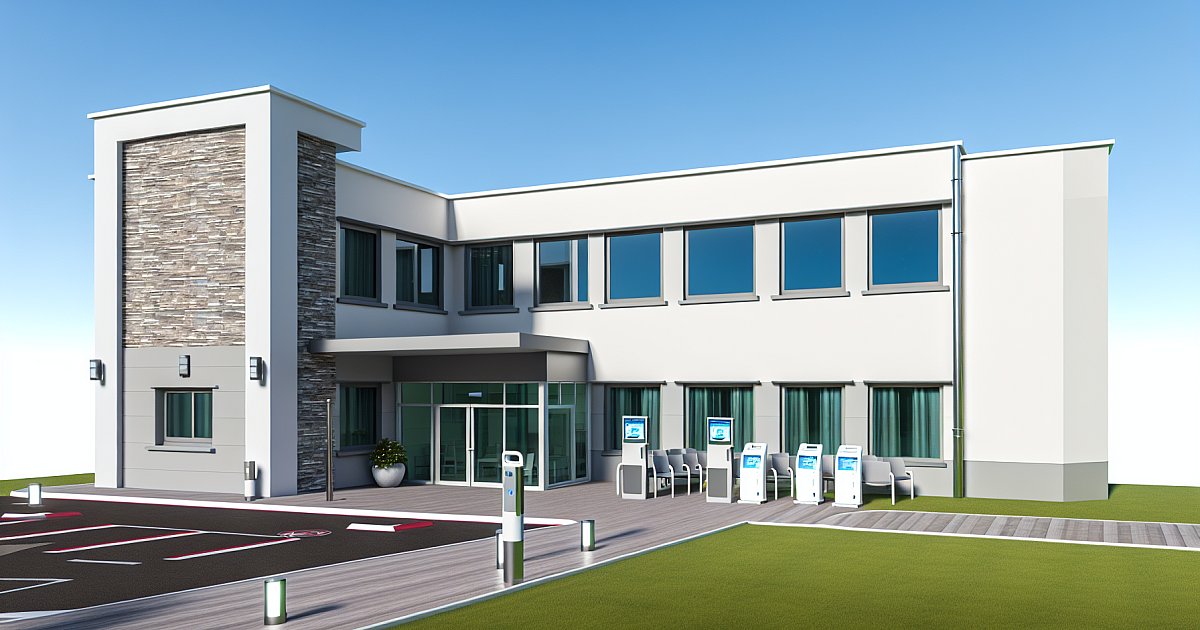
That is the core of what inspectors documented at Tekakwitha Living Center during a July 18, 2024 survey. The violation was not rated as a near-miss or a potential problem. Inspectors marked it as causing actual harm to a resident.
The resident, identified in inspection records only as Resident 10, had been involved in woodworking activities at the facility. Inspectors requested his incident reports related to that woodworking at 10:20 in the morning on the day of the survey. Administrator A received the request directly. By the time the survey ended, no incident reports had been produced.
Incident reports are how nursing homes document what went wrong, when it happened, who was involved, and what the facility did in response. They are among the first records inspectors look for when evaluating whether a facility identified a hazard, responded to it, and took steps to keep the same thing from happening again. Without them, there is no way to assess whether anyone at Tekakwitha evaluated the risk, changed the activity, added supervision, or did anything at all after a resident was hurt.
The deficiency falls under the federal requirement that nursing homes identify and reduce hazards within their control to prevent avoidable accidents. That standard requires more than recognizing that something went wrong. It requires evaluating the hazard, implementing interventions, monitoring whether those interventions worked, and adjusting when they did not. The inspection record gives no indication that any of those steps were documented or demonstrated.
Woodworking is a legitimate therapeutic activity in long-term care settings. It can support cognitive engagement, fine motor skills, and a sense of purpose for residents. It also involves tools, equipment, and physical demands that require attention to each resident's abilities and limitations. When a resident is hurt during such an activity, the question is not whether the activity itself was appropriate. The question is what the facility knew, what it did, and whether it kept track.
At Tekakwitha, inspectors could not answer any of those questions. The records were requested and never came.
The facility is located at 6 East Chestnut in Sisseton, a small city in northeastern South Dakota near the Lake Traverse Reservation. The inspection was completed July 18, 2024, with the statement of deficiencies printed the following month.
The inspection record does not describe the nature or severity of Resident 10's injury beyond the classification of actual harm. It does not say how many times he had been hurt, whether the woodworking activity continued after the incident, or whether any staff member had raised concerns about his participation. It does not say whether Resident 10 or his family were informed of the violation finding.
What it says is that a request went to the administrator, the survey day ended, and the records never arrived.
The plan of correction, if one was submitted, is not included in the publicly available inspection narrative. Anyone seeking information on how Tekakwitha intends to address the deficiency is directed by CMS to contact the facility or the South Dakota state survey agency directly.
Resident 10 was still a resident at the time of the inspection. Whether he returned to woodworking after the survey, and whether anyone at the facility has since documented what happened to him the first time, is not reflected in the record inspectors left behind.
Full Inspection Report
The details above represent a summary of key findings. View the complete inspection report for Tekakwitha Living Center from 2024-07-18 including all violations, facility responses, and corrective action plans.
Additional Resources
Data source: This article is based on inspection data downloaded directly from the Centers for Medicare & Medicaid Services (CMS) via Medicare.gov. CMS releases inspection reports in bulk; we publish the findings as documented by state surveyors in the official Form CMS-2567 Statement of Deficiencies.
Plan of correction: The CMS report we receive does not include the facility's plan of correction. Facilities submit plans of correction separately to state survey agencies and those responses may not be reflected in CMS data at the time of publication. The absence of a plan of correction in our data does not mean one was not filed. Readers who want information about corrective steps taken are encouraged to contact the facility directly or their state survey agency.
Corrections may have occurred: Inspection reports reflect conditions observed on the date of the survey. Facilities may have implemented corrections, staffing changes, additional training, or other remediation since the report was issued. We report what CMS provides and encourage readers to seek current information from the facility.
Editorial process: Inspection findings are extracted from CMS source documents and synthesized using AI, reviewed for factual accuracy against the original report by our editorial team.
Corrections: We strive for accuracy in everything we publish. If you believe any fact in this article is incorrect, please contact us with details, and we will review and correct it promptly.
Professional review: All content reviewed by Christopher F. Nesbitt, Sr., NH EMT & BU-trained Paralegal.
Last verified: November 22, 2026 · Our methodology
TEKAKWITHA LIVING CENTER in SISSETON, SD was cited for violations during a health inspection on July 18, 2024.
That is the core of what inspectors documented at Tekakwitha Living Center during a July 18, 2024 survey.
Health inspections identify deficiencies that facilities must correct. Violations range from minor documentation issues to serious safety concerns. Review the full report below for specific details and facility response.
