Focused Care at Beechnut: Immediate Jeopardy Finding - TX
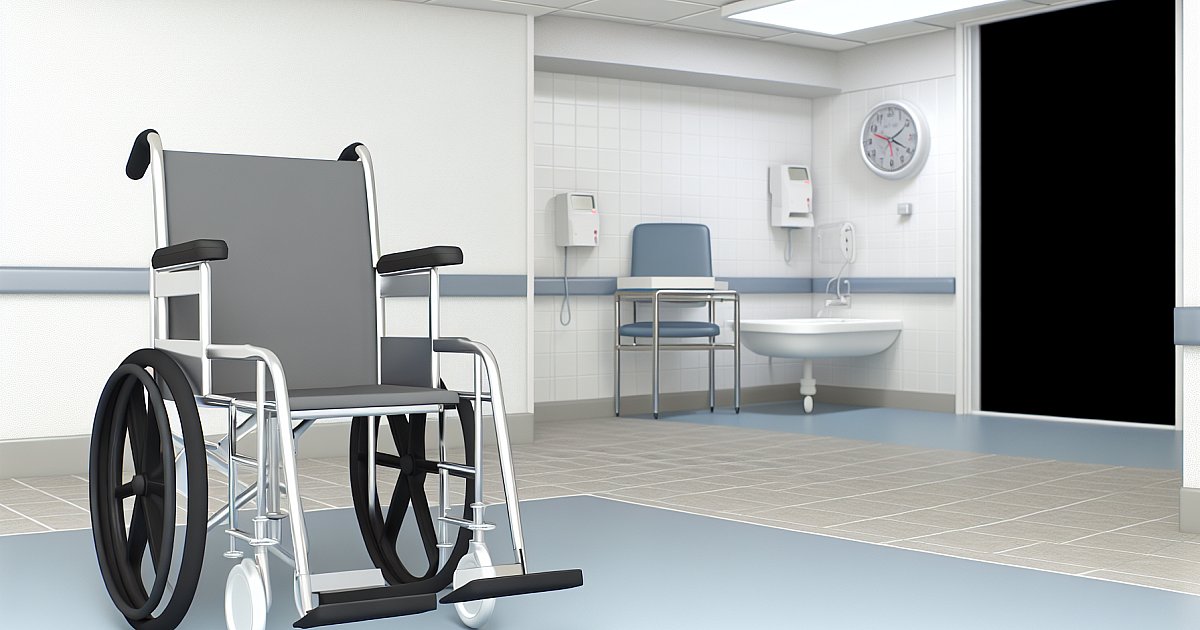
The citation centered on the care of a resident identified in inspection records only as Resident 54, a man with a medical history that left him particularly vulnerable to the kind of neglect inspectors said they found. He had diabetes, high blood pressure, a urinary tract infection, and a condition in which the nerves and muscles controlling his bladder do not function properly together. He was living with an indwelling Foley catheter, a tube inserted to drain urine directly from the bladder, a device that requires careful, consistent management to prevent serious infection.
A cognitive assessment recorded in his chart gave him a score of 11 out of 15, placing him in the range of moderate cognitive impairment. He could not fully advocate for himself.
Immediate jeopardy is the highest level of harm the Centers for Medicare and Medicaid Services assigns during a health inspection. It means inspectors determined that the facility's failures had placed residents in a situation where serious injury, harm, or death was likely unless something changed. It is not a designation CMS applies routinely or lightly.
The inspection was completed July 2, 2024. The printed report, generated by the federal inspection system, lists the harm level as immediate jeopardy and notes that the deficiency affected some residents, not just one.
What exactly happened to Resident 54, and what the facility failed to do for him, is only partially visible in the available inspection narrative. The source document was truncated before inspectors finished describing what they found in his records. What survives makes clear that his care, and the care of others at the facility, fell short of what CMS determined was safe.
Focused Care at Beechnut is a licensed skilled nursing facility operating in southwest Houston. The facility's CMS identification number is 675000.
Foley catheters carry well-documented risks. When the skin around the insertion site is not kept clean, when the drainage bag is not properly positioned and emptied, or when staff fail to recognize early warning signs of infection, residents can develop catheter-associated urinary tract infections that spread into the bloodstream. For a man already diagnosed with a urinary tract infection, already managing diabetes that compromises the body's ability to fight infection, the margin for error was narrow.
Resident 54 had been admitted to the facility, discharged, and readmitted, according to his face sheet. The details of those transitions, and what his care looked like across them, are among the portions of the inspection record that were cut off before the full findings could be read.
The inspection report does not name any staff members or administrators by name. It does not describe what the facility told inspectors when confronted with what they found. It does not say whether the immediate jeopardy was abated before inspectors left the building, or whether the facility remained in jeopardy status after the survey closed.
What it says is that the level of harm was immediate. That some residents were affected. That a man with moderate cognitive impairment, a catheter, diabetes, and a documented bladder condition was at the center of it.
Facilities that receive immediate jeopardy citations are required to submit plans of correction to their state survey agency. CMS directs anyone seeking information about Focused Care at Beechnut's plan to correct the deficiency to contact either the facility or the Texas state survey agency directly.
Resident 54 remained in that building while inspectors documented what they found.
Full Inspection Report
The details above represent a summary of key findings. View the complete inspection report for Focused Care At Beechnut from 2024-07-02 including all violations, facility responses, and corrective action plans.
Additional Resources
Data source: This article is based on inspection data downloaded directly from the Centers for Medicare & Medicaid Services (CMS) via Medicare.gov. CMS releases inspection reports in bulk; we publish the findings as documented by state surveyors in the official Form CMS-2567 Statement of Deficiencies.
Plan of correction: The CMS report we receive does not include the facility's plan of correction. Facilities submit plans of correction separately to state survey agencies and those responses may not be reflected in CMS data at the time of publication. The absence of a plan of correction in our data does not mean one was not filed. Readers who want information about corrective steps taken are encouraged to contact the facility directly or their state survey agency.
Corrections may have occurred: Inspection reports reflect conditions observed on the date of the survey. Facilities may have implemented corrections, staffing changes, additional training, or other remediation since the report was issued. We report what CMS provides and encourage readers to seek current information from the facility.
Editorial process: Inspection findings are extracted from CMS source documents and synthesized using AI, reviewed for factual accuracy against the original report by our editorial team.
Corrections: We strive for accuracy in everything we publish. If you believe any fact in this article is incorrect, please contact us with details, and we will review and correct it promptly.
Professional review: All content reviewed by Christopher F. Nesbitt, Sr., NH EMT & BU-trained Paralegal.
Last verified: November 20, 2026 · Our methodology
Focused Care at Beechnut in Houston, TX was cited for immediate jeopardy violations during a health inspection on July 2, 2024.
A cognitive assessment recorded in his chart gave him a score of 11 out of 15, placing him in the range of moderate cognitive impairment.
Health inspections identify deficiencies that facilities must correct. Violations range from minor documentation issues to serious safety concerns. Review the full report below for specific details and facility response.
